 Airdrie
  Banff
Banff  Beaumont
  Brooks
  Calgary
  Camrose
  Canmore
  Chestermere
  Cochrane
  Drumheller
  Edmonton
  Fort McMurray
  Fort Saskatchewan
  Grande Prairie
  High River
  Leduc
Leduc  Lethbridge
  Lloydminster
  Medicine Hat
  Okotoks
  Red Deer
  Rocky Mountain House
  Sherwood Park
  Spruce Grove
  St. Albert
  Stony Plain
  Sylvan Lake
  Whitecount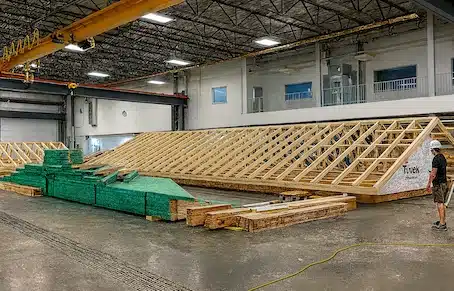
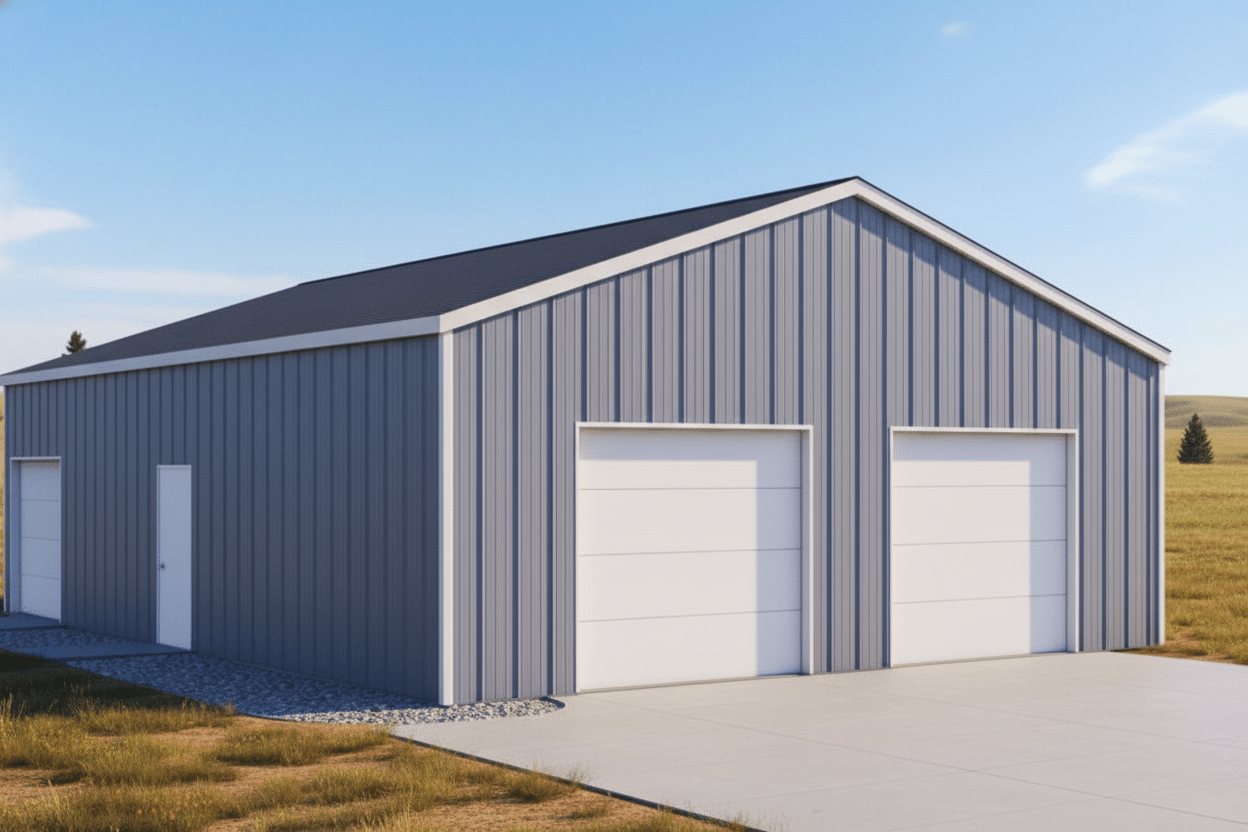
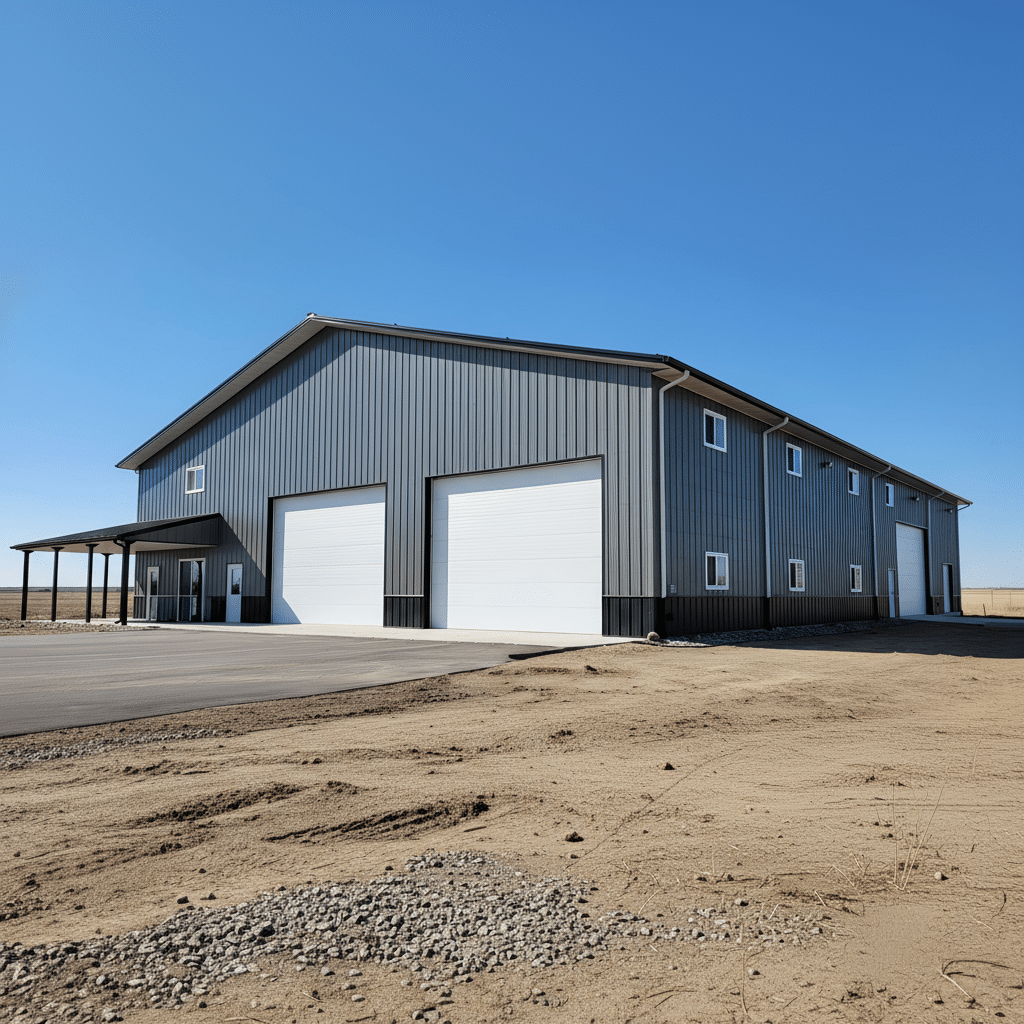
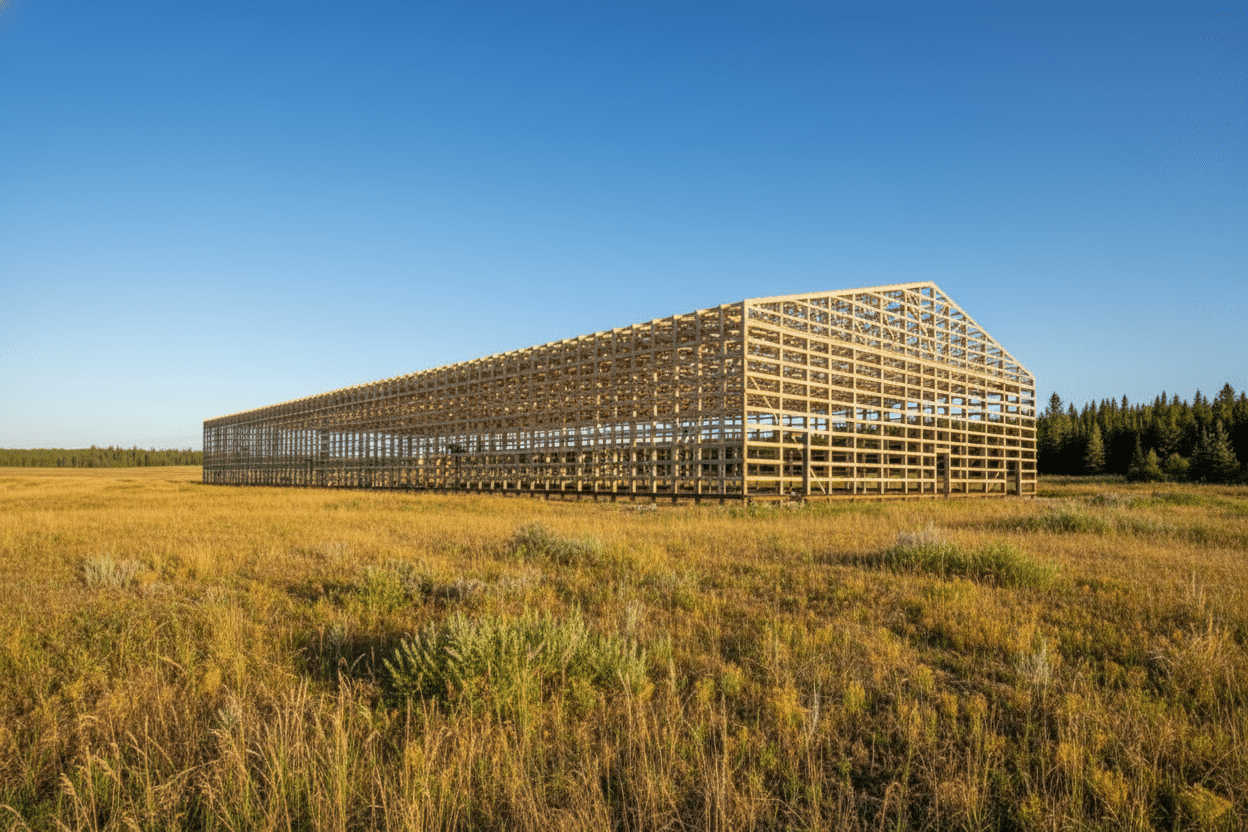
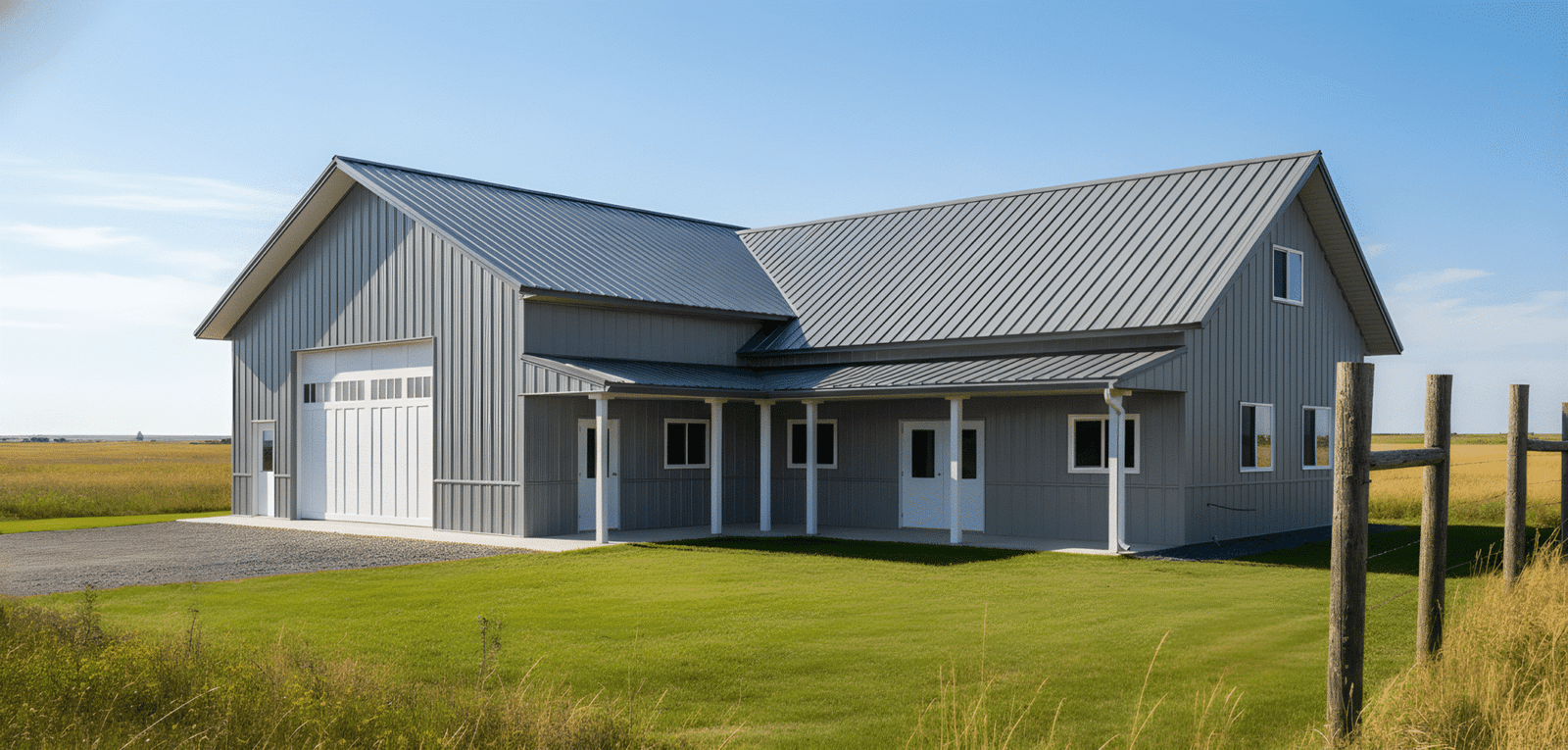
Post Frame Buildings in Canada: Design, Cost, Process, and Performance
Why Choose Post Frame Construction for a Building Project?
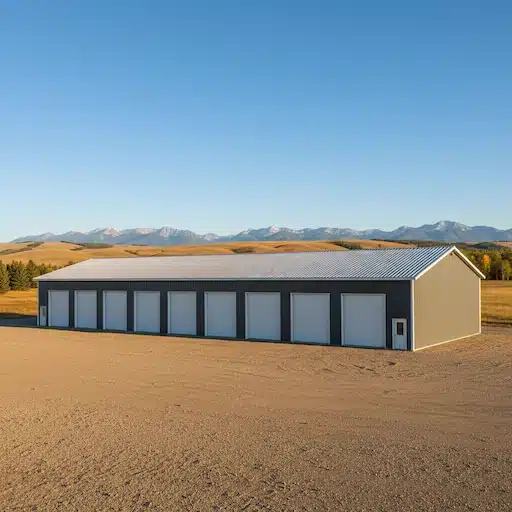
Post frame construction is the ultimate in flexibility. It uses widely spaced structural posts anchored into the ground or mounted on engineered foundations. It often eliminates the need for interior load-bearing walls, so the space is completely customizable.
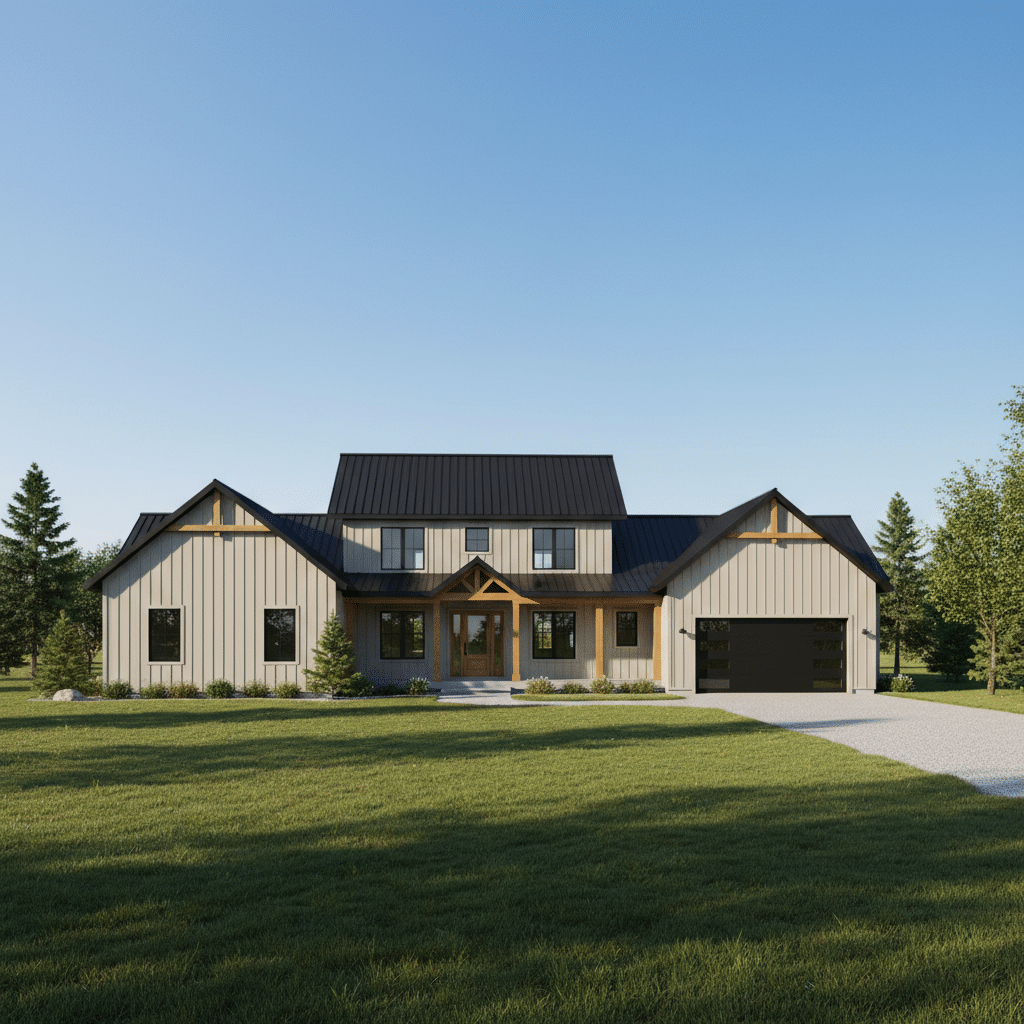
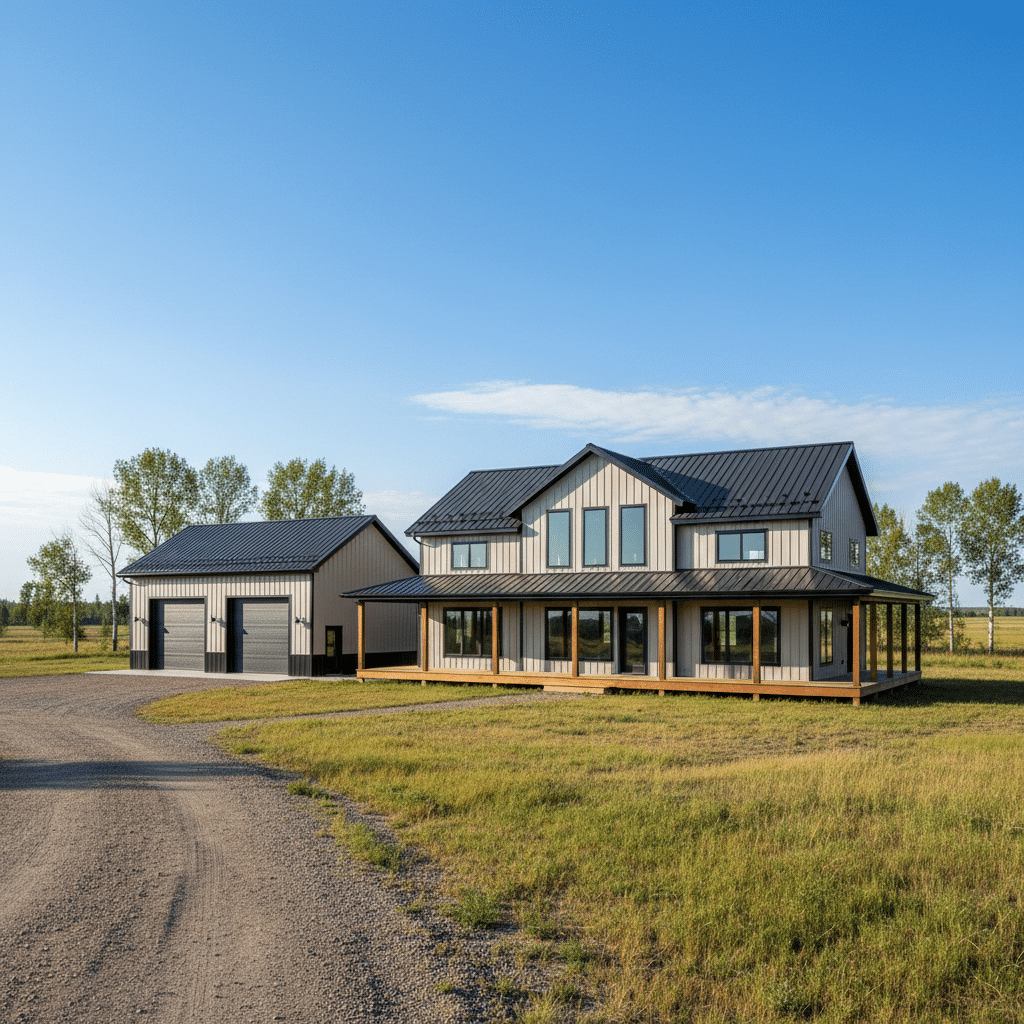
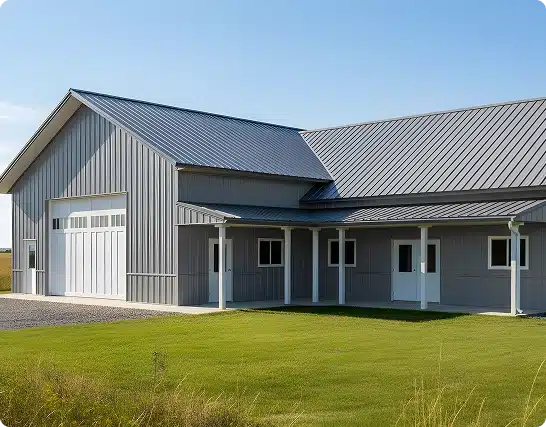
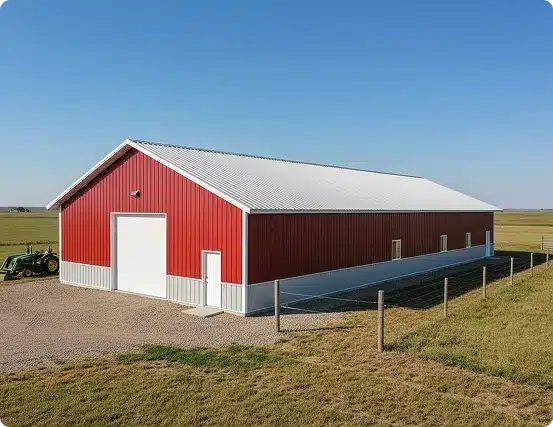
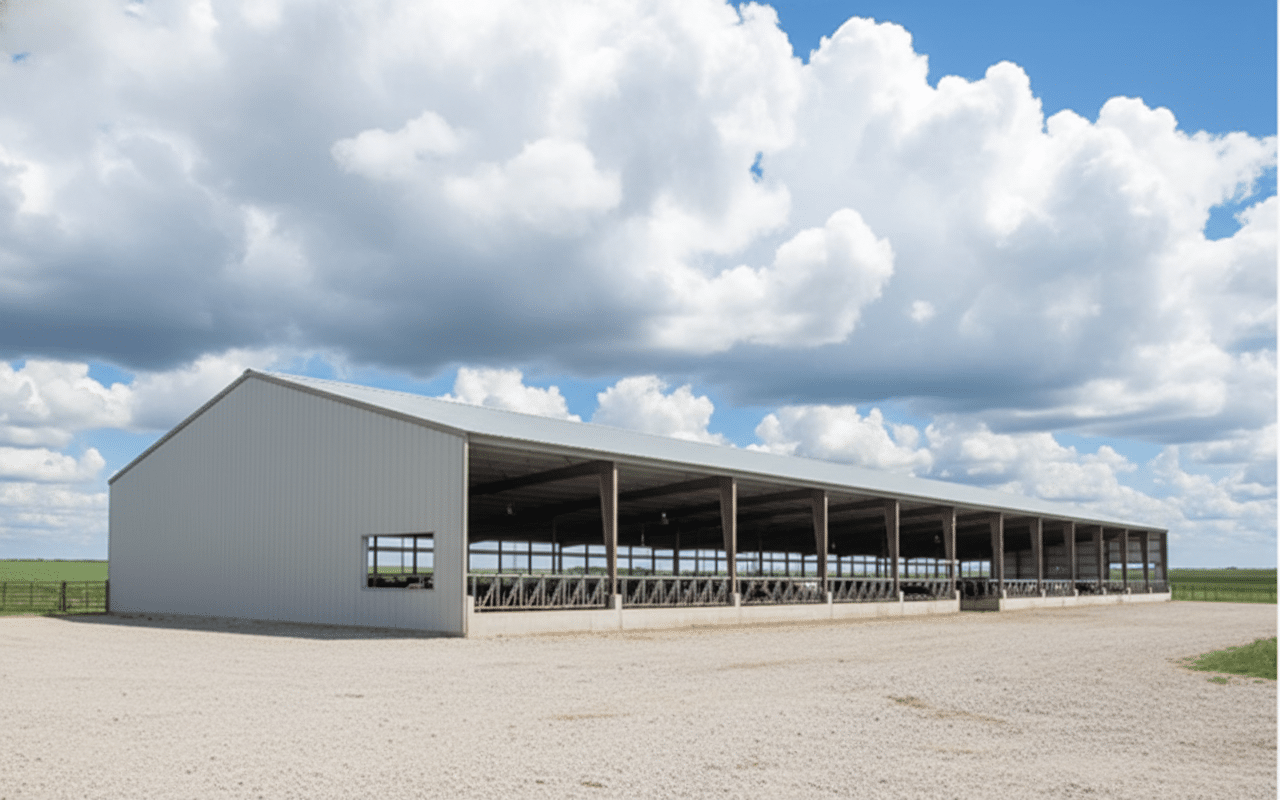
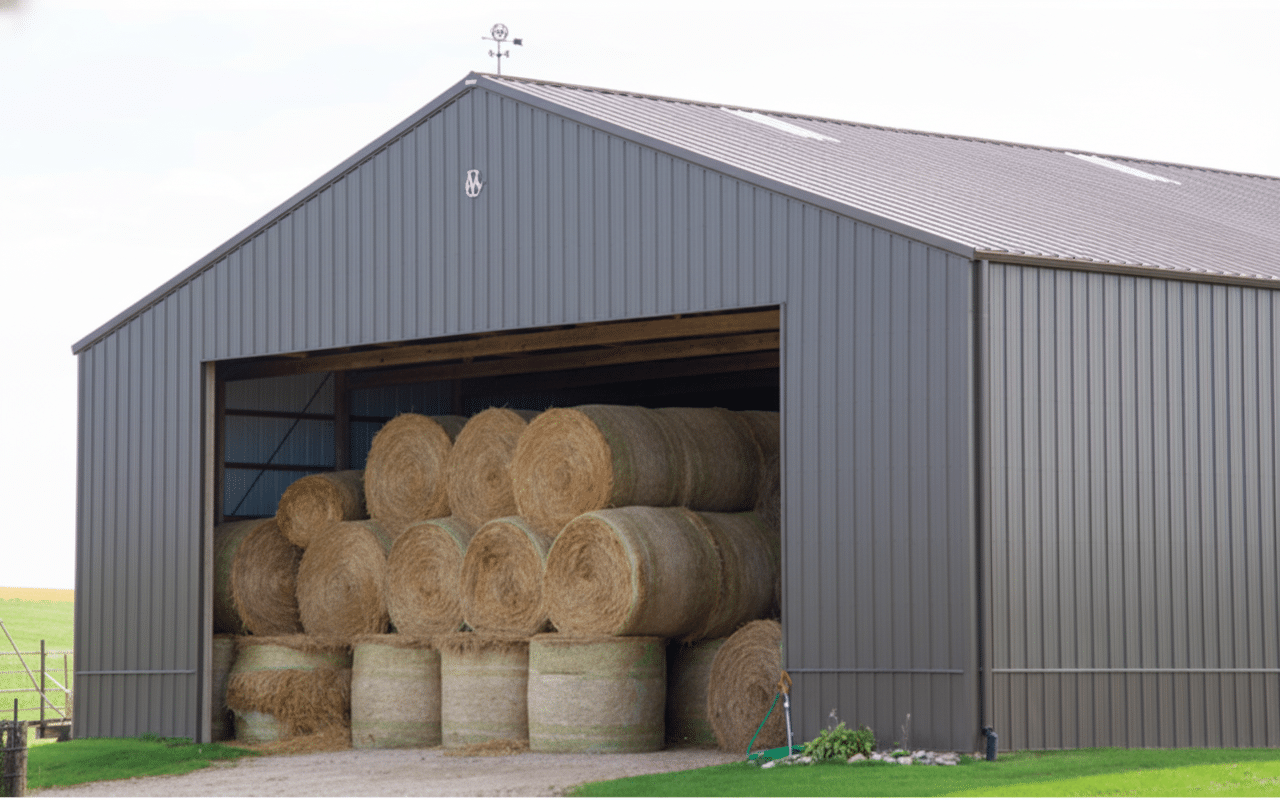
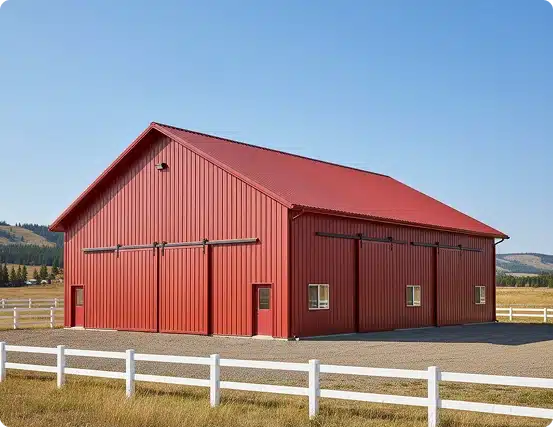
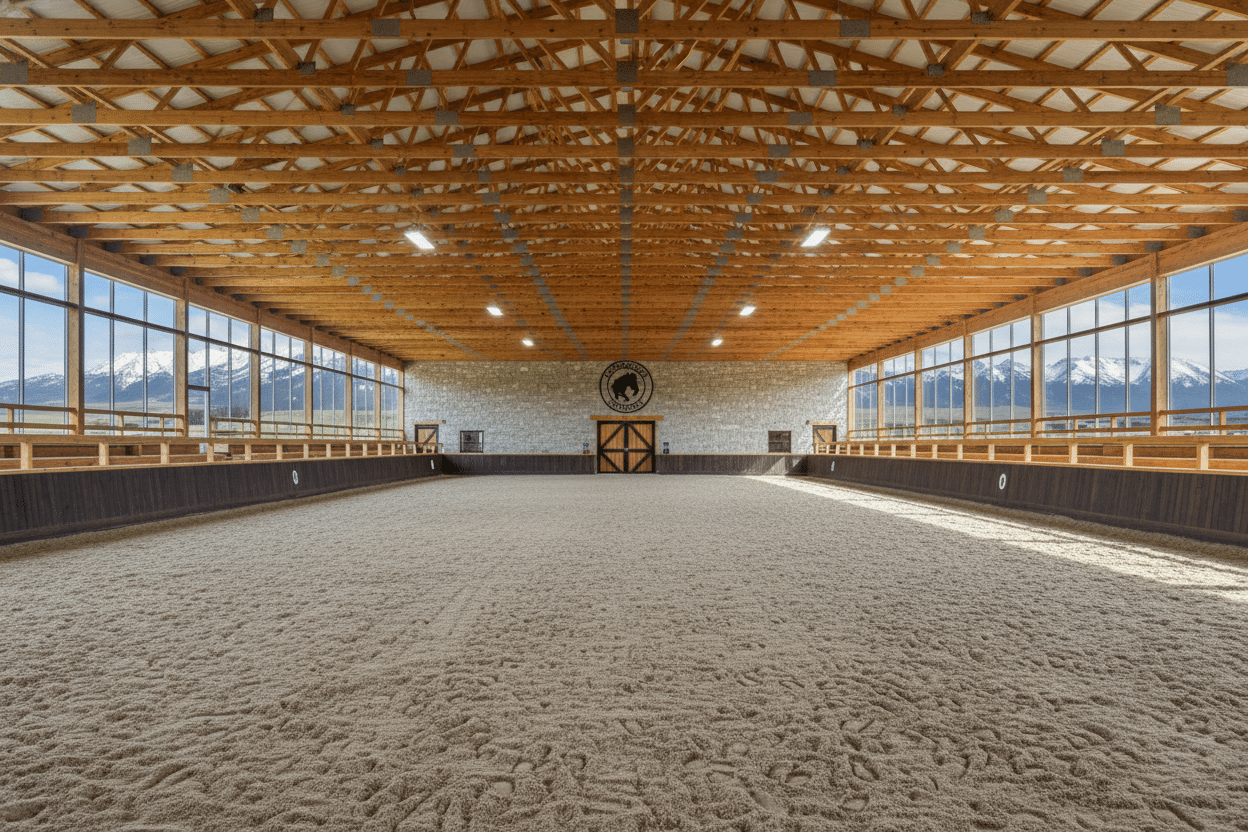
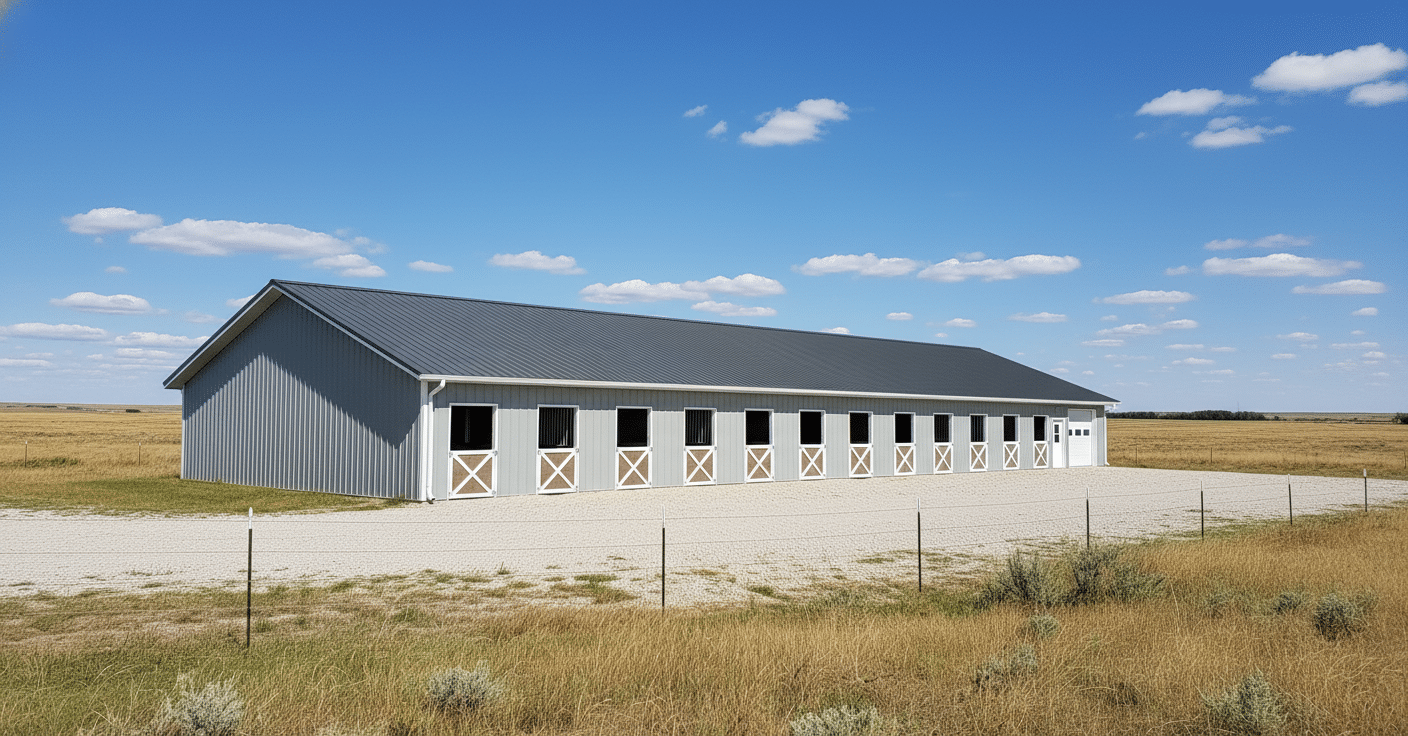
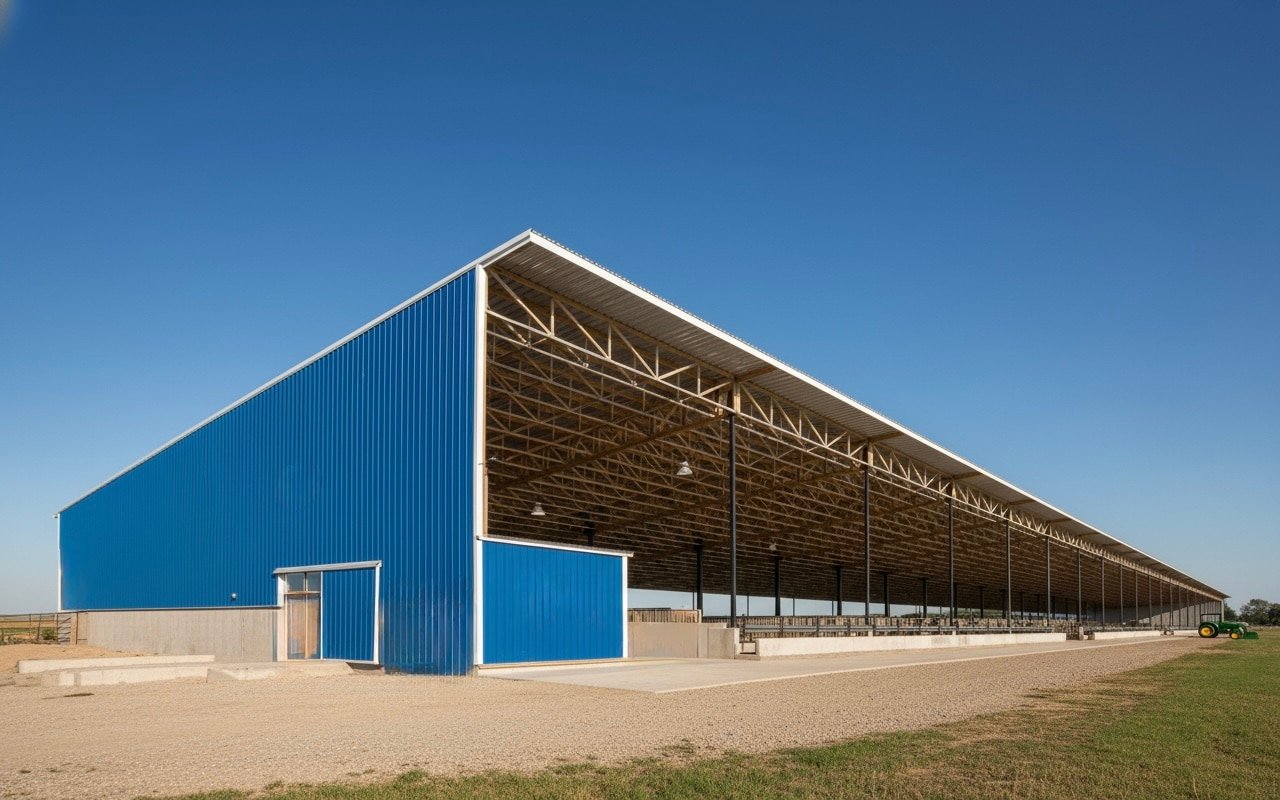
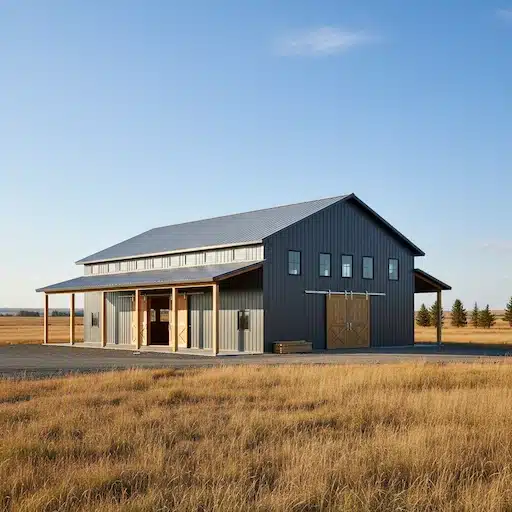
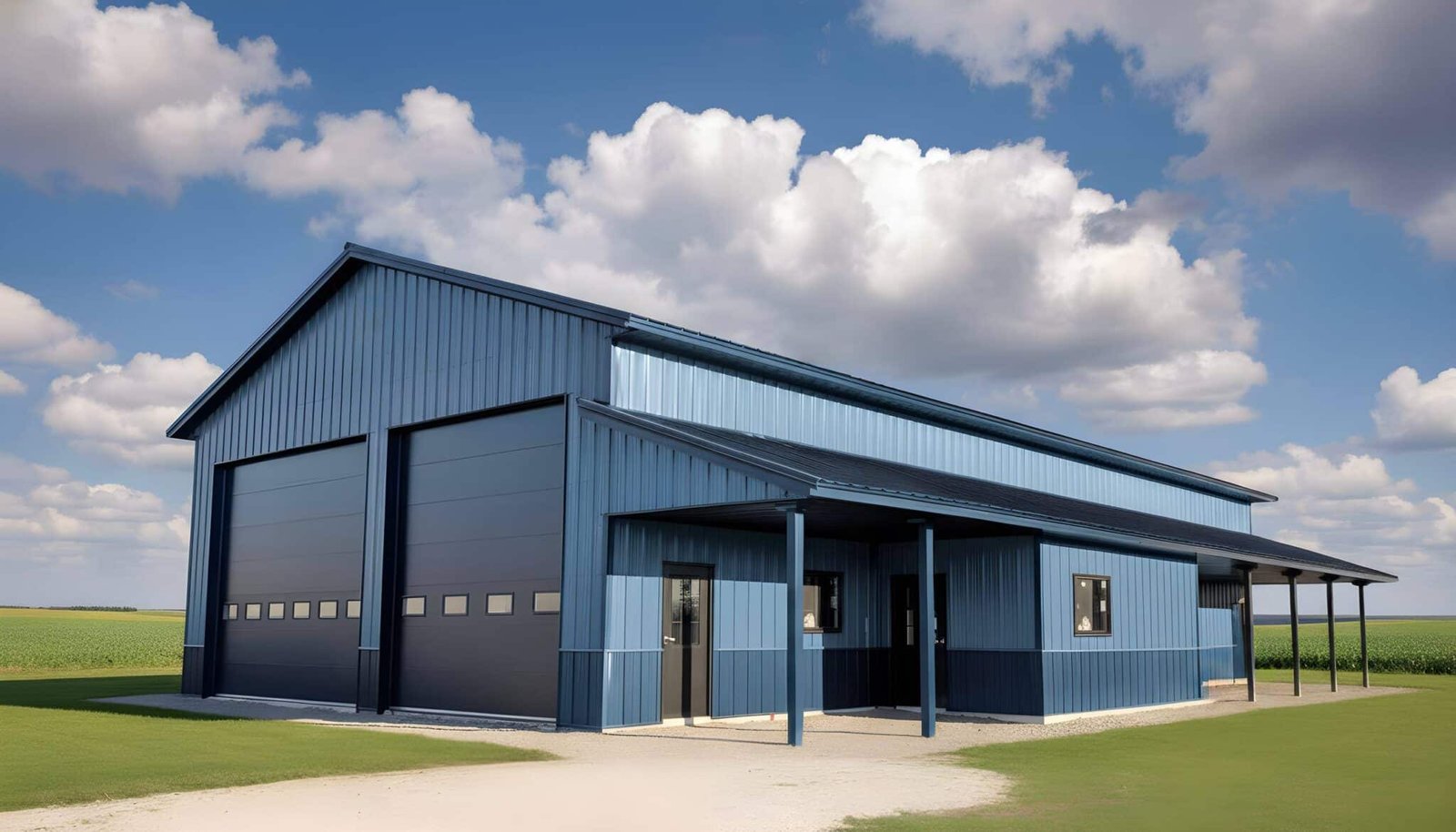
The resulting clear and wide interior spans are ideal for flexible layouts that support everything from hobby shops to agricultural buildings, like barns and hay storage. Plus, you can take things further and combine your workspace with residential space, commonly referred to as barndominiums and shouses, or plan the best equestrian complex with boarding facilities, an arena, and work areas.
For many projects, post frame construction offers faster build times, simpler foundations, and more design adaptability than conventional stick-built or steel-frame systems.
How Do Post Frame Buildings Perform in Canadian Climate Conditions?
In Canada, the weather is always a concern. Buildings need to be durable to stand up to:
- Snow loads
- Wind forces
- Moisture
- Freeze–thaw cycles
Luckily, these engineered structures meet or exceed the local code requirements for all of these conditions. For example, snow loads are addressed through engineered trusses designed for accumulation and drifting. Wind resistance is managed through diaphragm bracing, strategic post embedment, and connections engineered for strength.
With post frame buildings in Canada, our cold temperatures mean moisture control is especially important. Condensation is the enemy as it can cause rot and overall durability issues. Your moisture management strategy should include:
- Proper ventilation to allow moist air to escape before it can condense on cold surfaces.
- Vapour barriers to control moisture migration of warm interior air toward colder exterior surfaces.
- Drainage systems to keep groundwater and surface water away from the building envelope.
- Insulation plans to slow heat transfer and reduce the temperature differentials that cause condensation.
What Materials and Design Options Are Available in Post Frame Buildings?
At Polskiy Building, we offer both standard and upgraded materials for each building component:
- Solid base – We use a 32 MPa reinforced concrete slab. It has a vapour barrier and a specialized rebar grid. It won’t crack or degrade with high use or temperature changes.
- Framing – Done using custom laminated columns and engineered roof trusses.
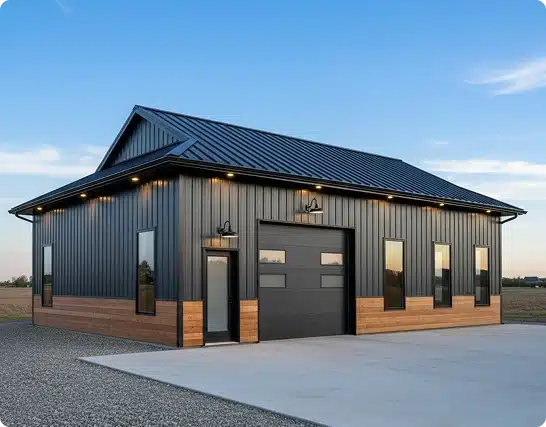
- Roofing – We offer everything from metal to laminated asphalt. Metal helps shed snow and passes the longevity test. We install ridge vents for ventilation and skylights.
- Exterior – For moisture, wind-resistance, and energy efficiency, each post frame building is wrapped in Tyvek or Typar. It’s finished with either an OSB (engineered wood panels) or plywood sheathing. Easily add trim, architectural features, metal siding, or other design elements.
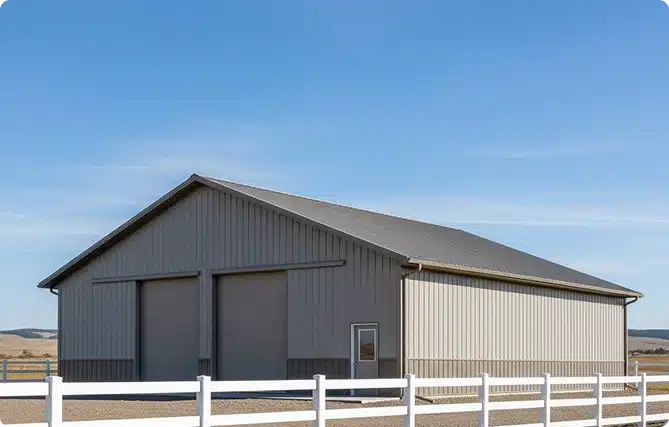
- Doors and windows – Choose an overhead door for a garage or machine storage, a patio door for extra light, or classic residential doors. We use double-pane windows, and the placement is customizable for more interior light.
- Electrics – Depending on the type of project, our finished post frame structures include a subpanel, electrical outlets, and lighting. Upgrade to 240V for a shop space or add an EV charging station or backup generators – whatever you need.
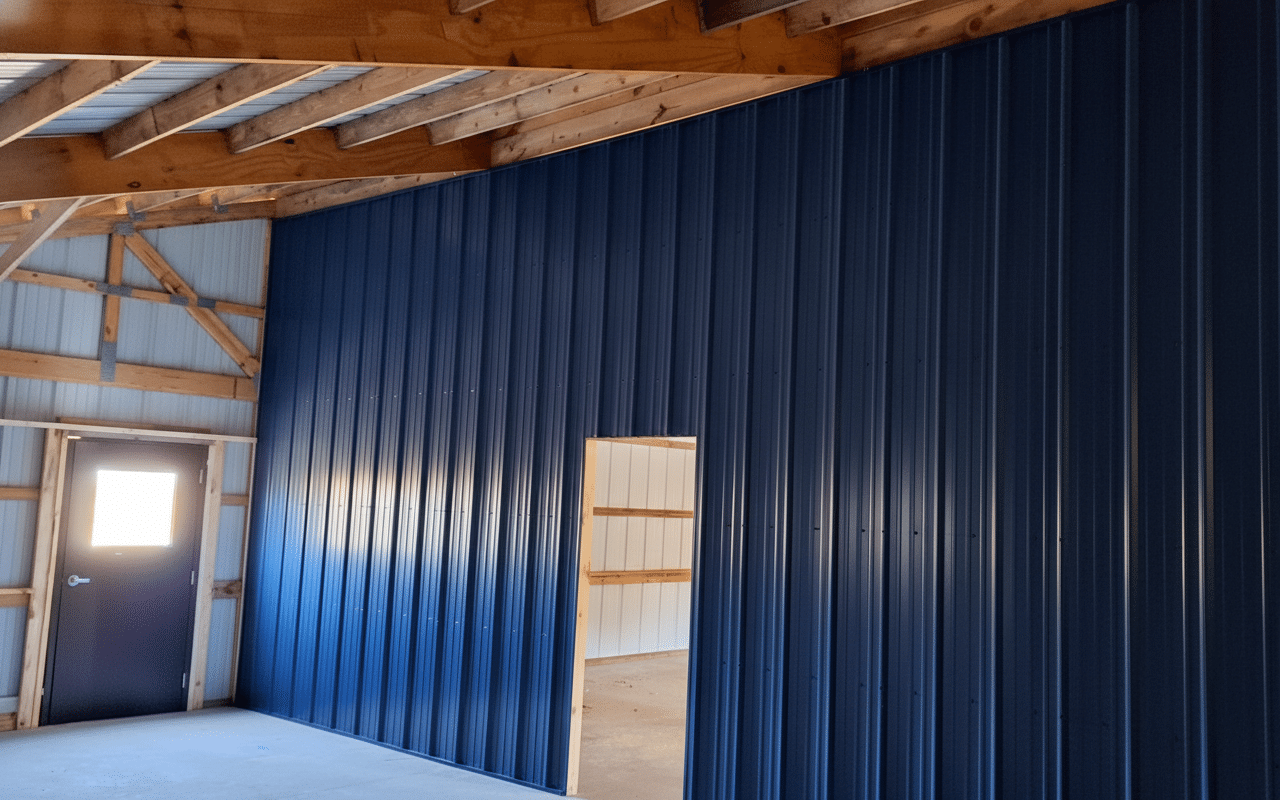
- Interior – This is where you can get creative. Select your perfect colours and textures, partition walls, or mezzanine to get a custom look. This is where you can add insulation and ventilation to create a comfortable space.
Engineering and Permits Required for a Post Frame Building
While each municipality may have its own requirements, in general, post frame buildings in Canada can require:
- Development permits – Address compliance and site zoning.
- Building permits – Address compliance with Canadian construction codes.
Exemptions will depend on whether you’re building a residential structure, a farm building, or simple storage. Always check with your municipality first. What you will need to pass the permitting process is engineered drawings prepared by professionals. Your post frame building approval may involve:
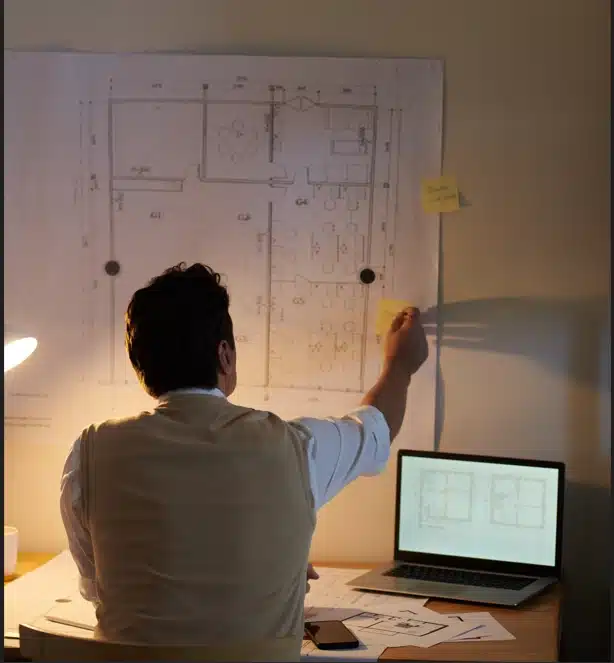
- Engineer-stamped structural drawings
- Foundation and anchoring details
- Truss layouts and load ratings
- Building code compliance notes
- Energy or insulation details, if required by jurisdiction
What Factors Determine the Cost of a Post Frame Building?
First and foremost, the cost of post frame building packages will depend on the scope, which includes:
- Size
- Span width
- Height
The more complex the project, the higher the cost because things like taller walls, wider clear spans, and large door openings increase structural requirements.
Material choices matter, too. Metal is generally more expensive than wood, for example. Door and window quantity and quality, adding skylights, insulation, and premium cladding can all drive costs up as well.
Lastly, site condition is a key factor. Everything from soil quality to drainage to accessibility can influence price through an increase in materials and on-site prep work.
What’s the Typical Process for Planning and Building a Post-Frame Structure?
The post frame building process may vary slightly by project, but this is generally how it goes:
- Define the building’s purpose, size, layout needs, site conditions, and any future expansion plans.
- Review the site and constraints.
- Develop a preliminary layout.
- Finalize design details.
- Lock in the scope and specifications. Know what’s included, what’s not, and the performance targets for things like ventilation, moisture control, and durability.
- Complete the post frame building plans. Our professional engineers design the structure for local loads and code requirements.
- Submit permits and secure approvals.
- Order materials and schedule the build.
- Prepare the site.
- Complete excavation/grading, drainage planning, and base work; coordinate applicable utilities.
- Install posts and foundations.
- Frame the structure.
- Install roofing and cladding (dry-in).
- Complete doors, windows, and core upgrades –overhead doors, man doors, windows, ventilation components, and insulation/liners if included.
- Inspections and turnover.
How Long Does It Take to Build a Post-Frame Building?
Like pricing, your timeline will depend on size and complexity, but it will also vary based on the permit process and season. Permits and weather are common delays completely outside post frame builders’ control. In all, timelines range from 2 to 8 weeks and beyond.
Generally speaking, simple post frame buildings like a storage shed can be up and running in as little as 2 to 3 weeks.
Large and complex building designs, which include a multi-purpose equestrian facility or a barndominium that combines home and work, can take 1 to 2 months or longer.
Why Customers Choose Polskiy Building for Their Post Frame Construction
We’re the leading post-frame builder in Canada for many reasons. We’ve gained valuable experience by working in post frame construction since 2002. Our processes are clear, our timelines are true, and we guide our customers through the entire process – from brainstorming to final inspections. We use high-quality materials, have expert building teams, and offer full transparency. You get a post frame building that will last and perfectly match your needs.
Are you planning a post frame building project in the future? Contact us to start the process, and we’ll build something useful, well-designed, and durable together.