 Airdrie
  Banff
Banff  Beaumont
  Brooks
  Calgary
  Camrose
  Canmore
  Chestermere
  Cochrane
  Drumheller
  Edmonton
  Fort McMurray
  Fort Saskatchewan
  Grande Prairie
  High River
  Leduc
Leduc  Lethbridge
  Lloydminster
  Medicine Hat
  Okotoks
  Red Deer
  Rocky Mountain House
  Sherwood Park
  Spruce Grove
  St. Albert
  Stony Plain
  Sylvan Lake
  Whitecount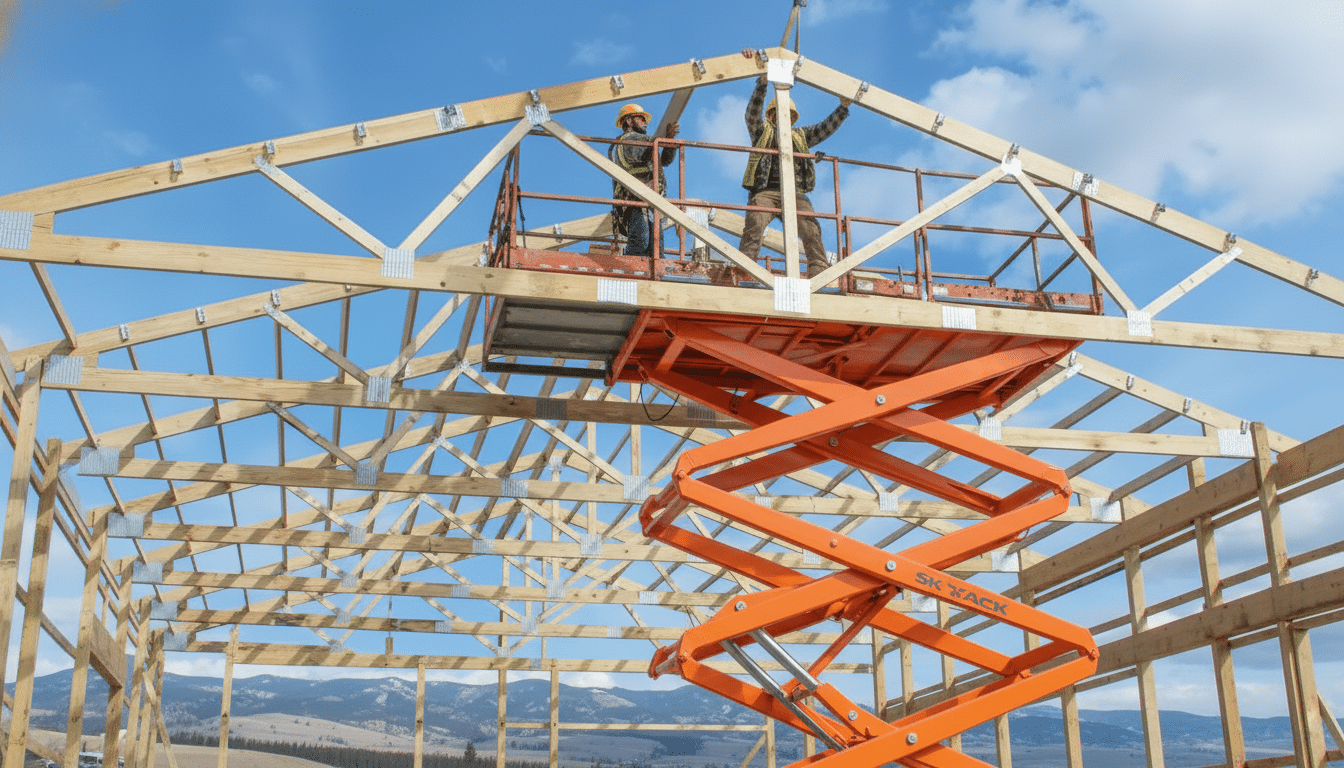





Residential Post Frame Homes: What Homeowners Need to Know
Post Frame vs. Stick-Built
Traditional stick-built residential construction relies on closely spaced wall studs and interior load-bearing walls to maintain the building’s structure. On the other hand, post frame construction uses engineered structural posts that are spaced farther apart and transfer the structure’s weight directly to the foundation or engineered piers/footings designed to local frost conditions.
Due to the reduced need for interior load-bearing walls, a post frame building in Canada offers certain advantages:
- With fewer interior load-bearing walls (depending on the design), it can support true open-concept living.
- Vaulted or cathedral ceilings for a true feeling of space.
- Flexible floor plans that can change as needs and lifestyle evolve.
Post frame construction is especially well-suited to certain lifestyles and property types:
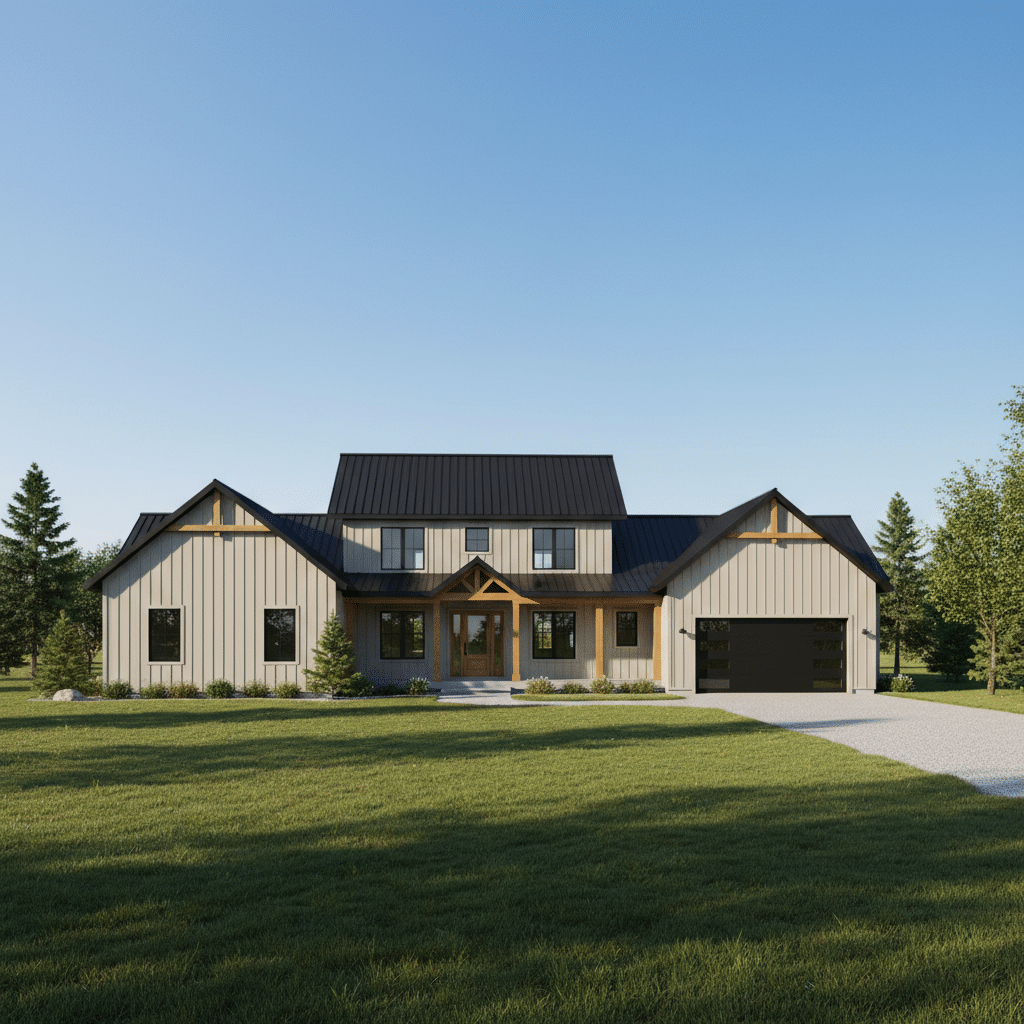
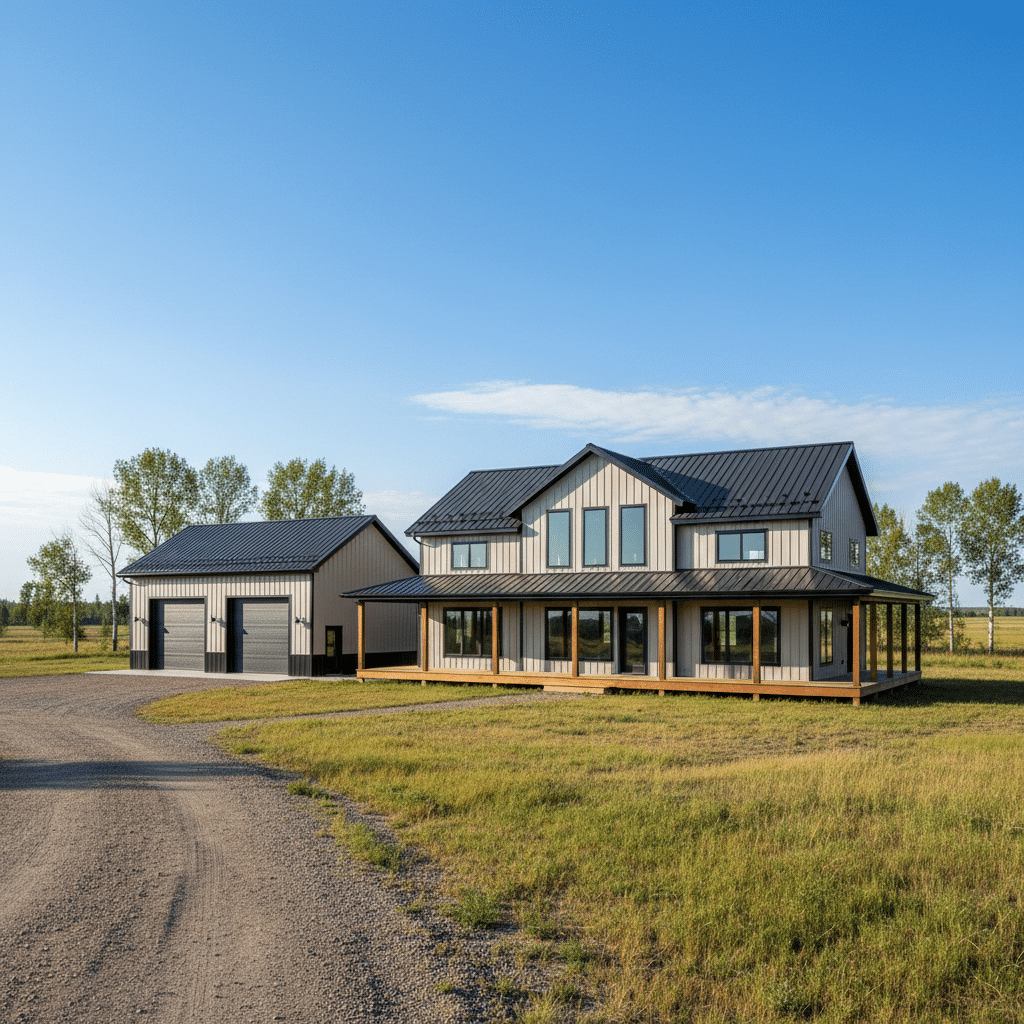
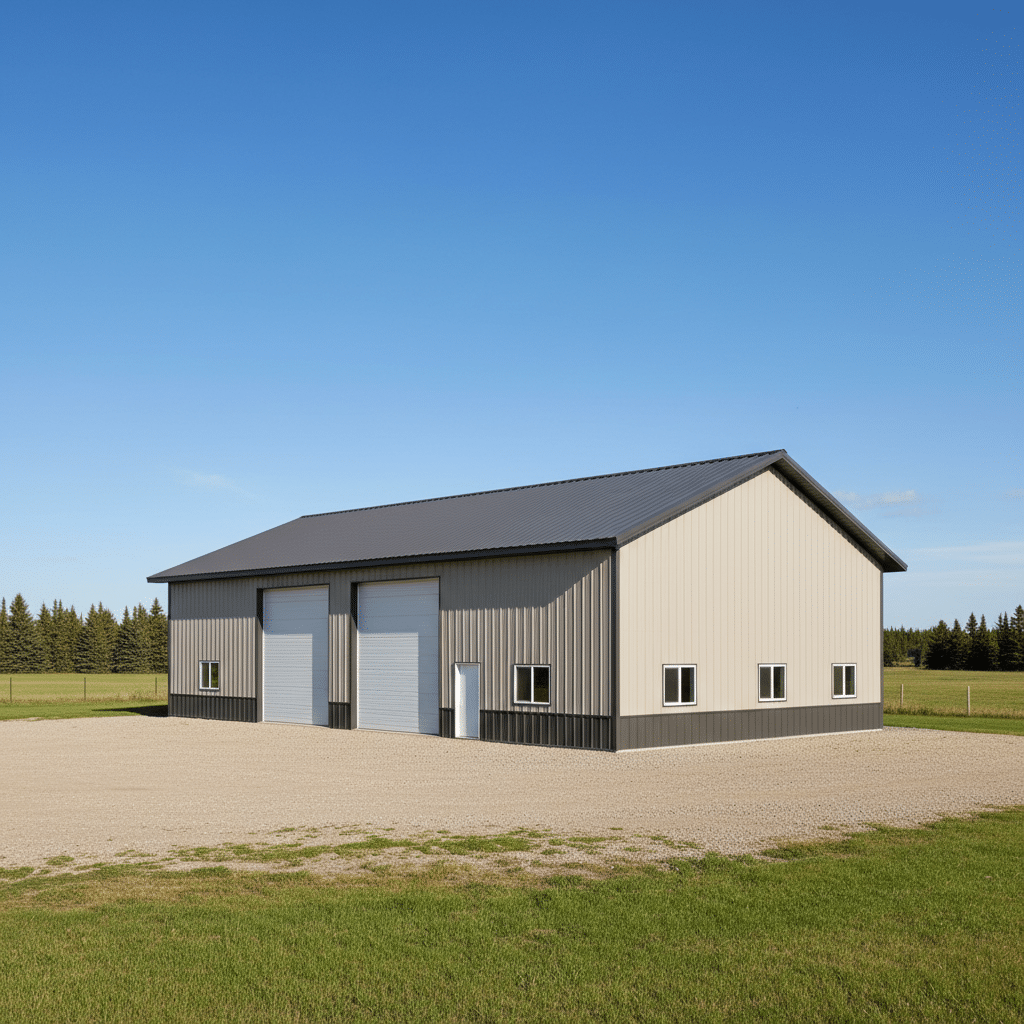
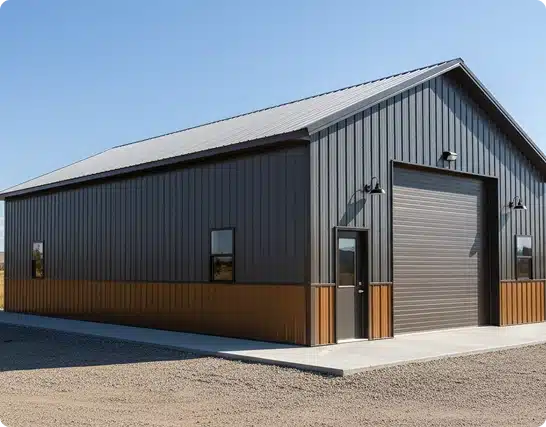
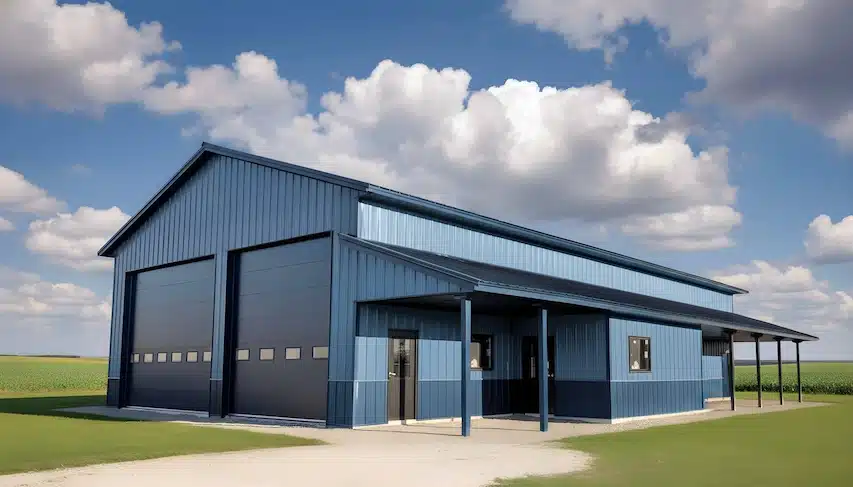
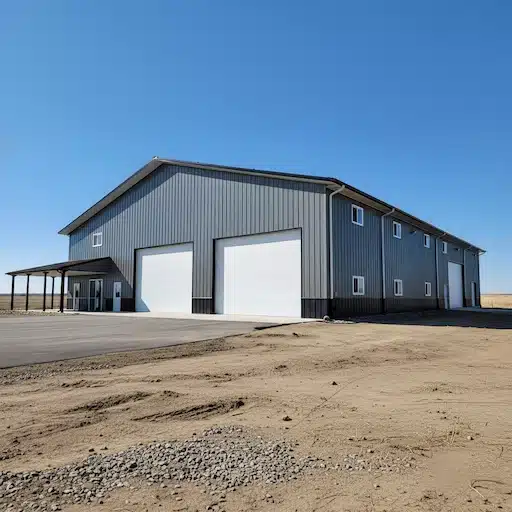
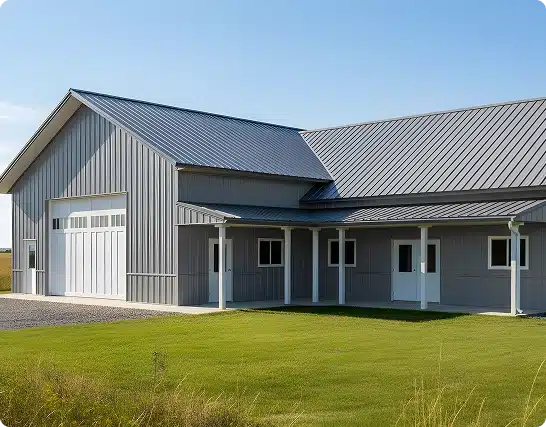
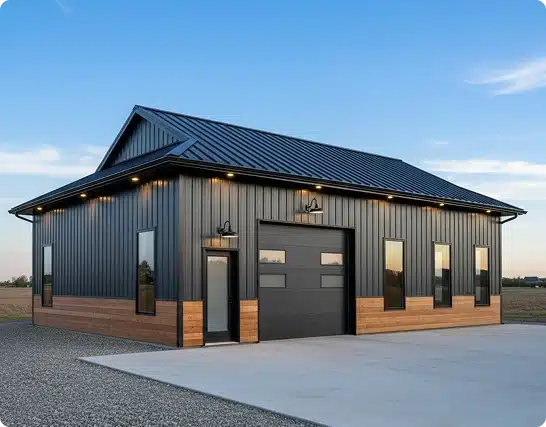
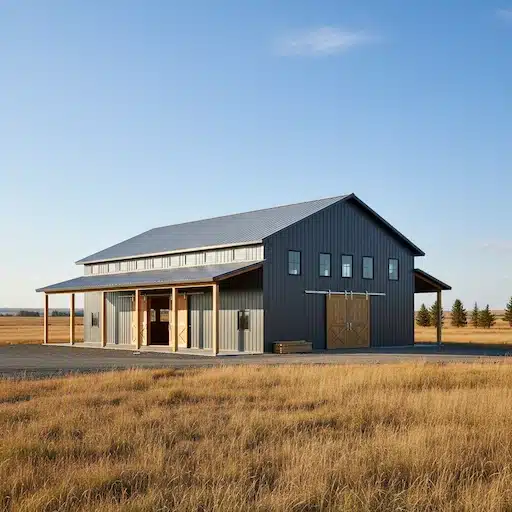
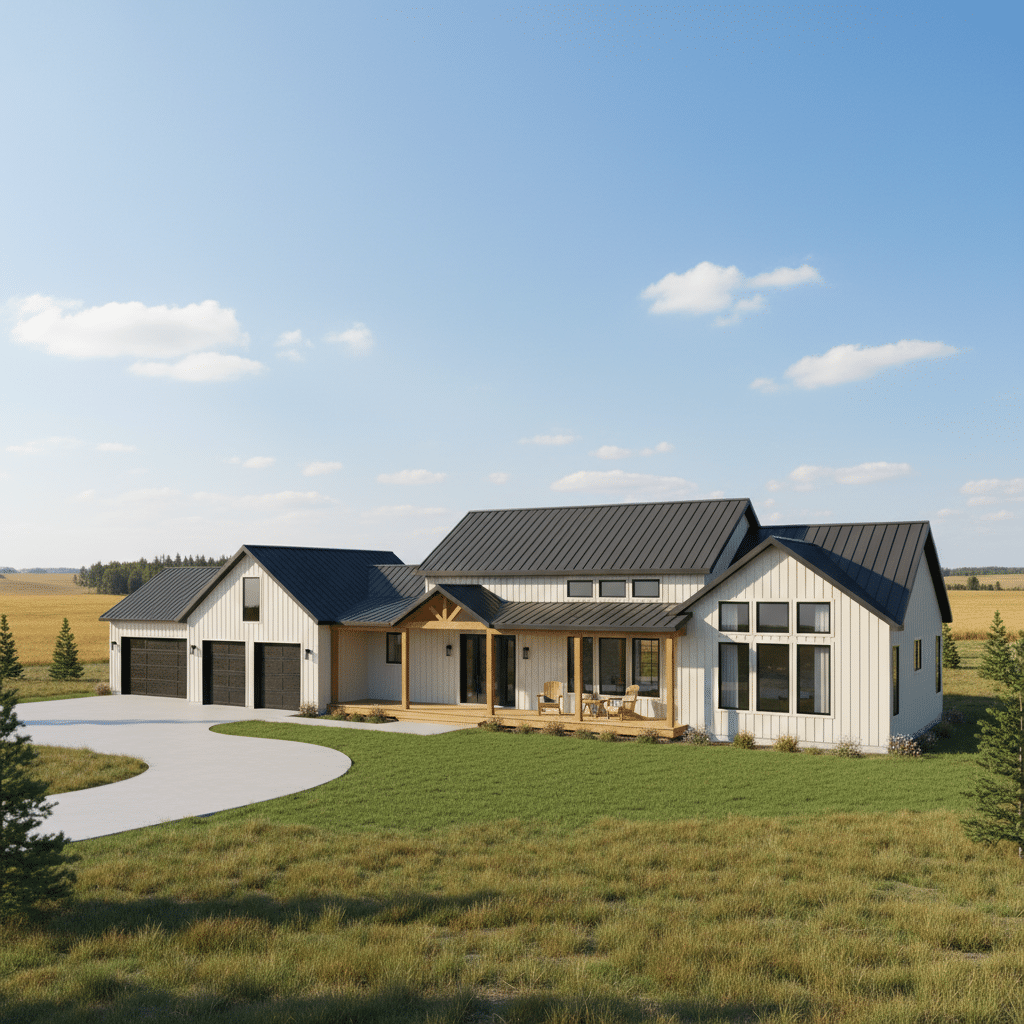
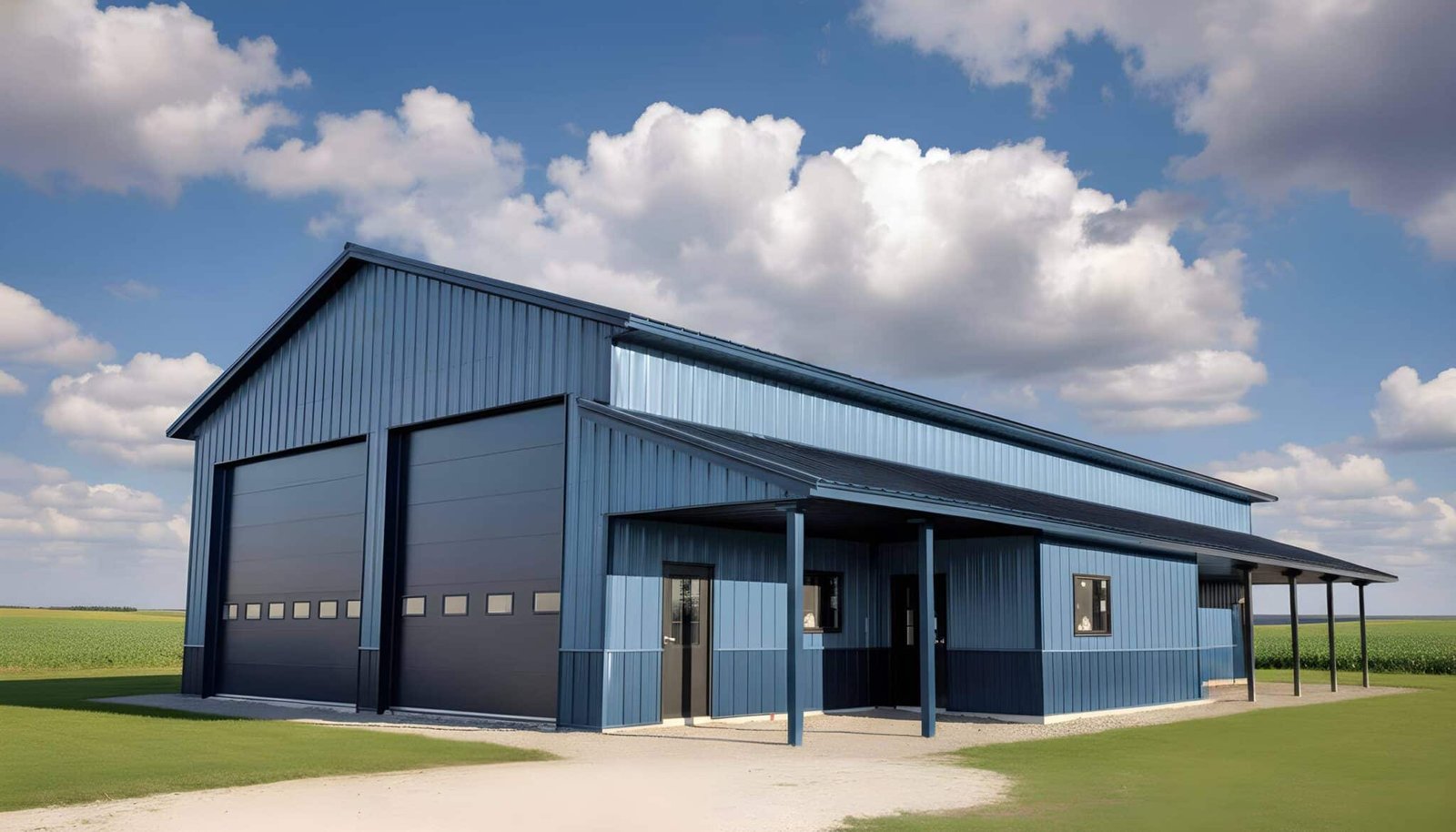
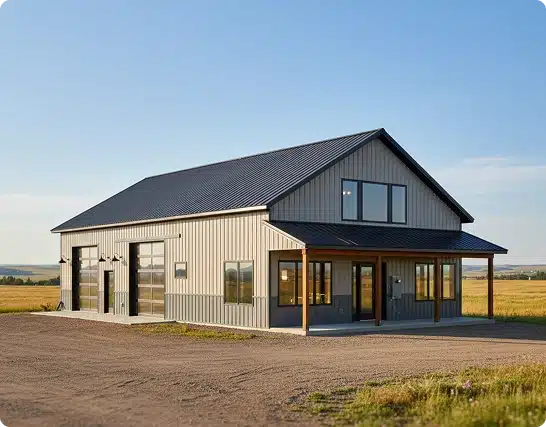
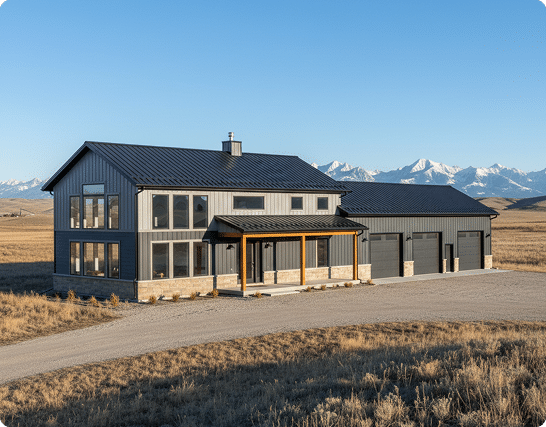
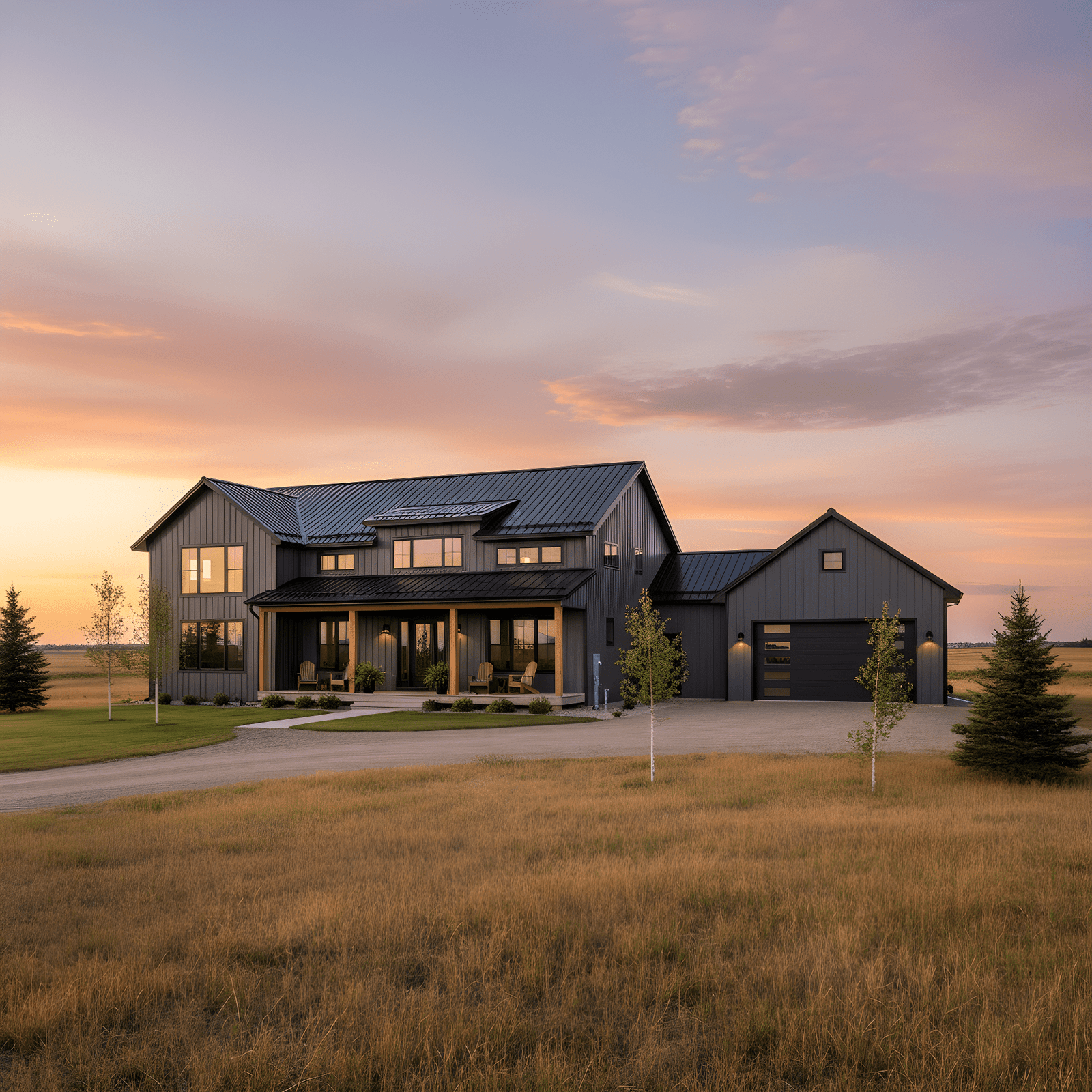
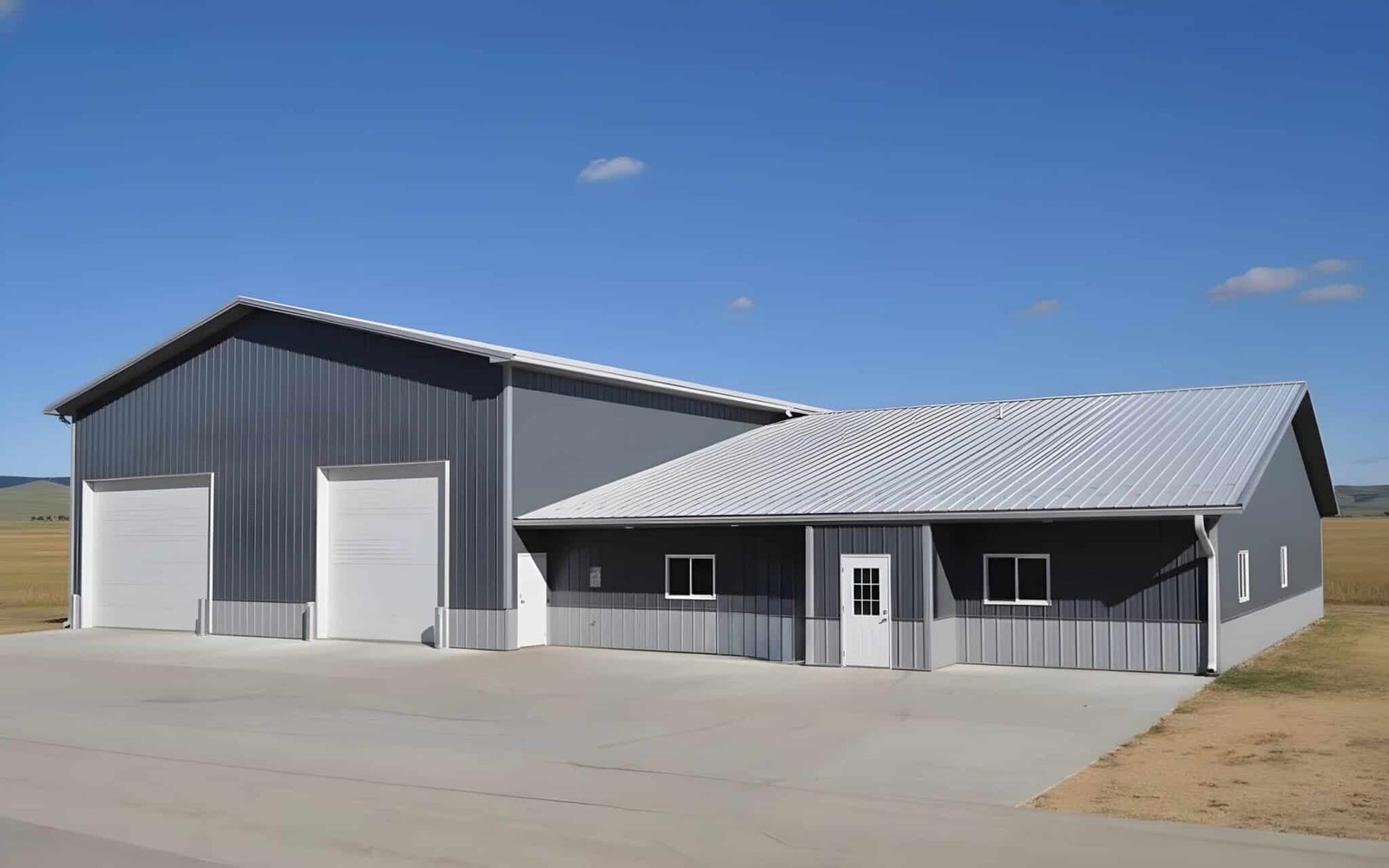
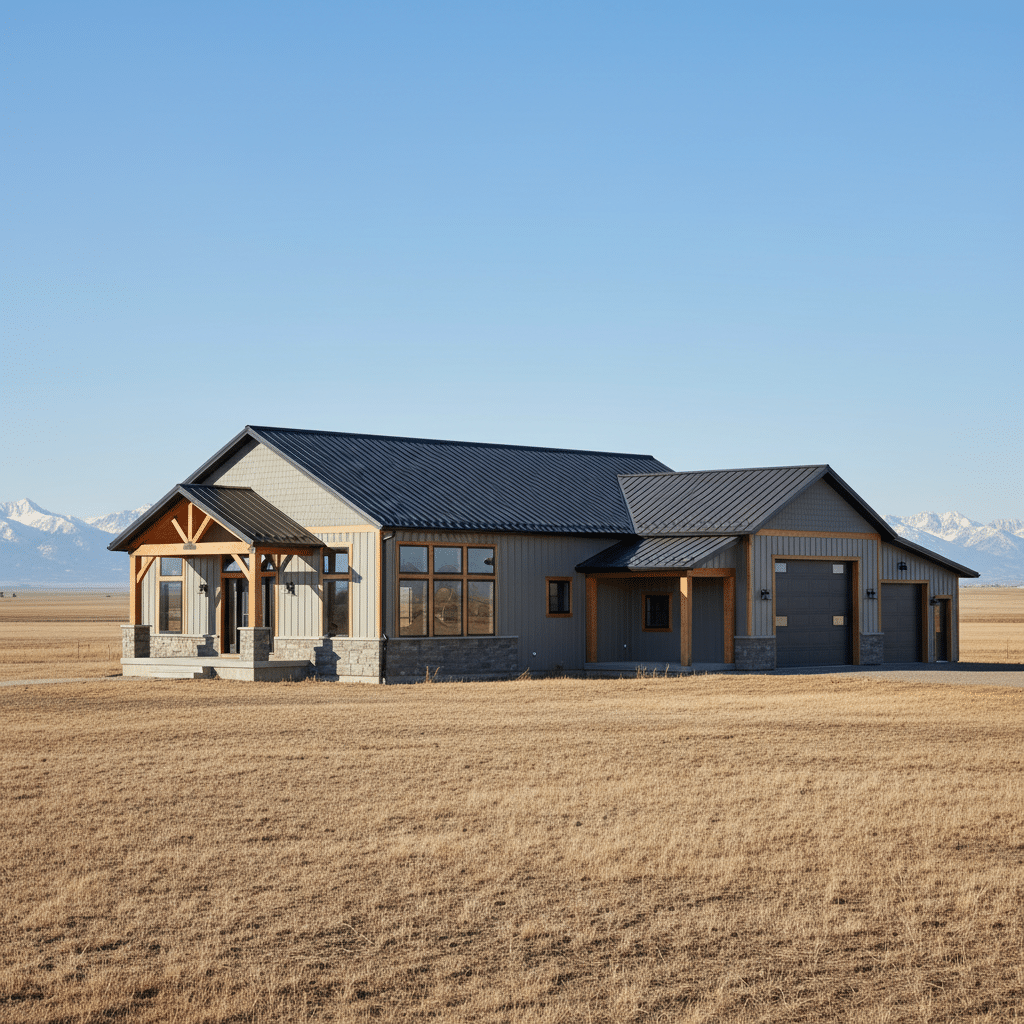
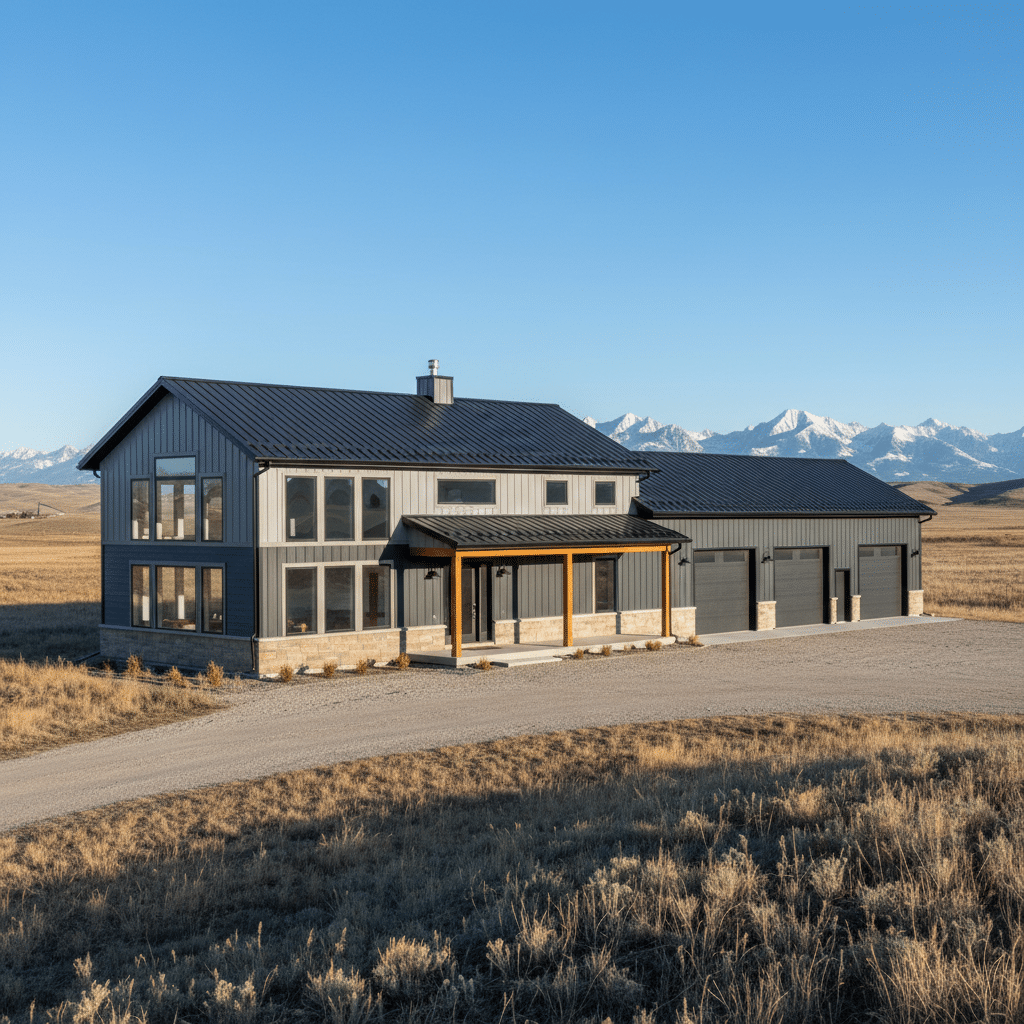
- Barndominiums – Don’t let the inclusion of “barn” fool you. What is a barndominium? It’s a modern, open-concept home with a durable exterior. Often, they combine residential living spaces with garages, workshops, or storage under one roof.
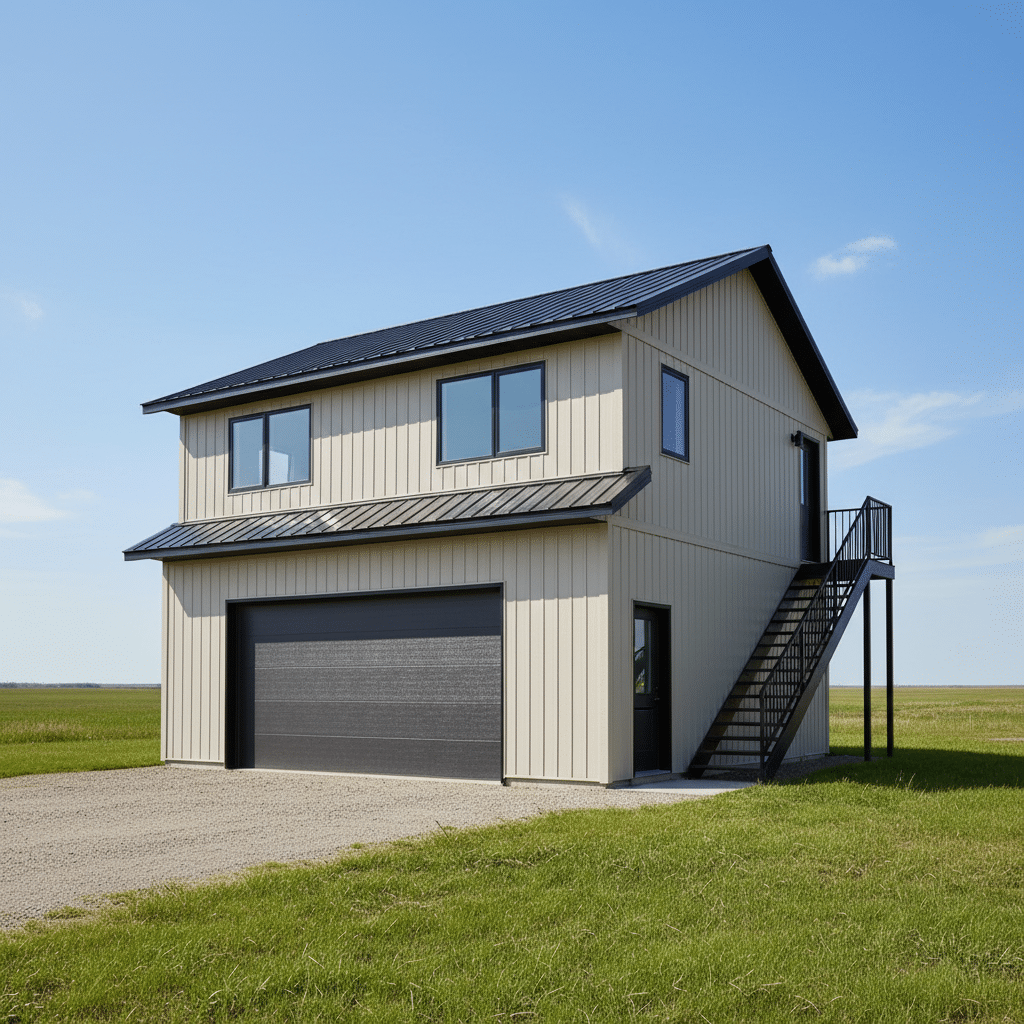
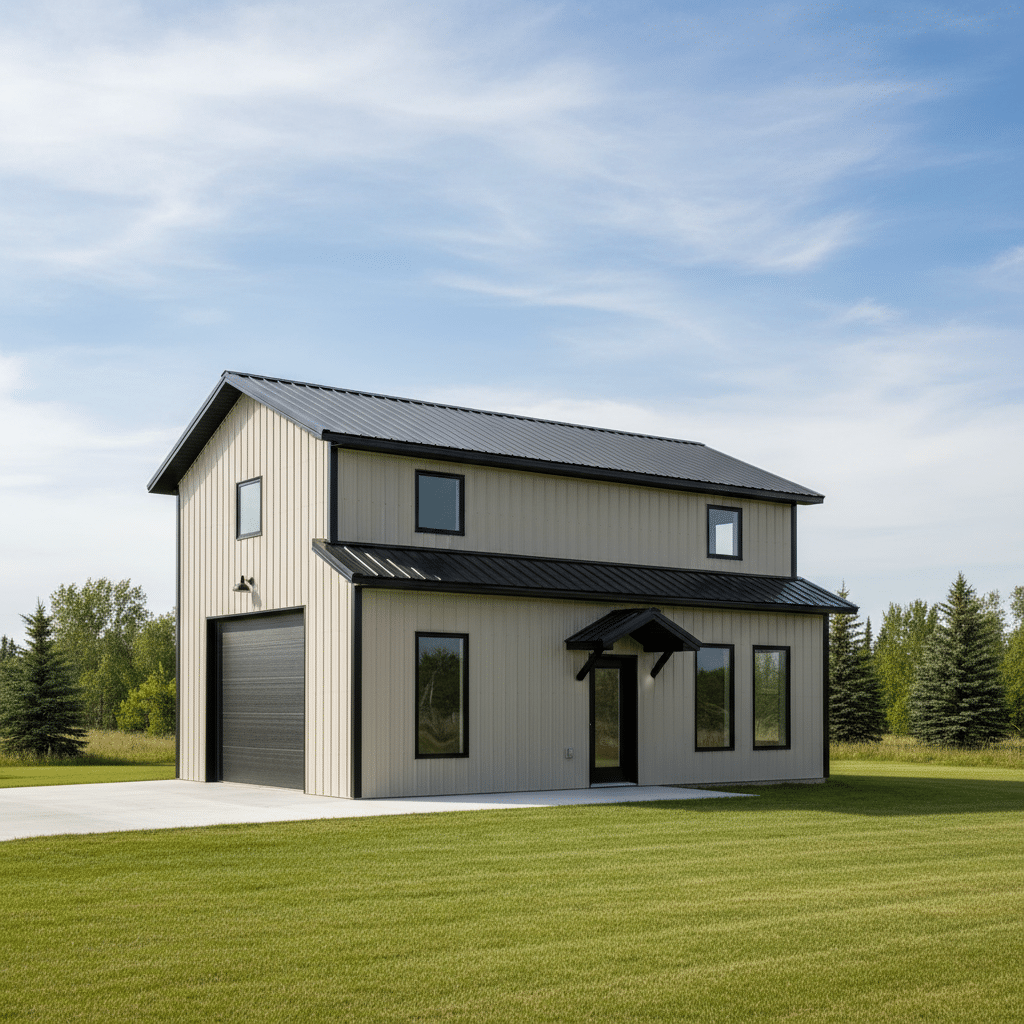
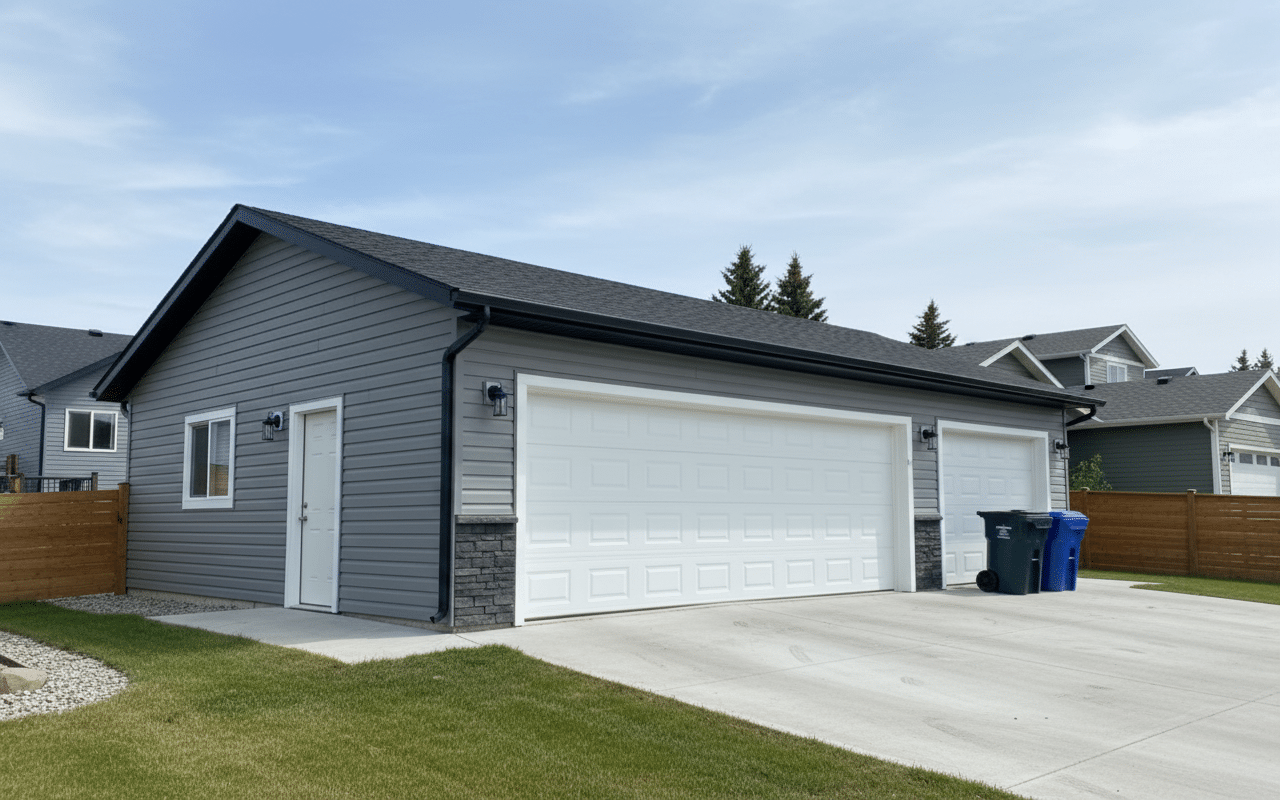
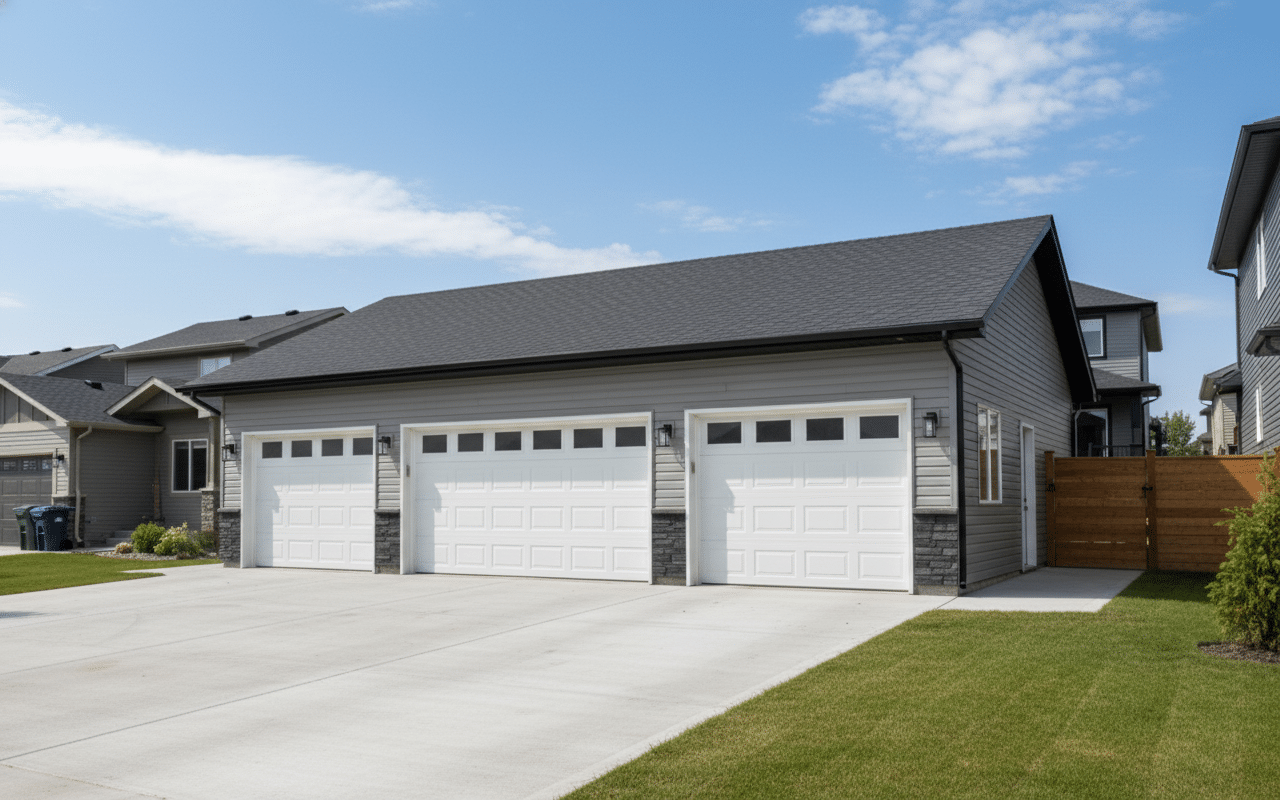
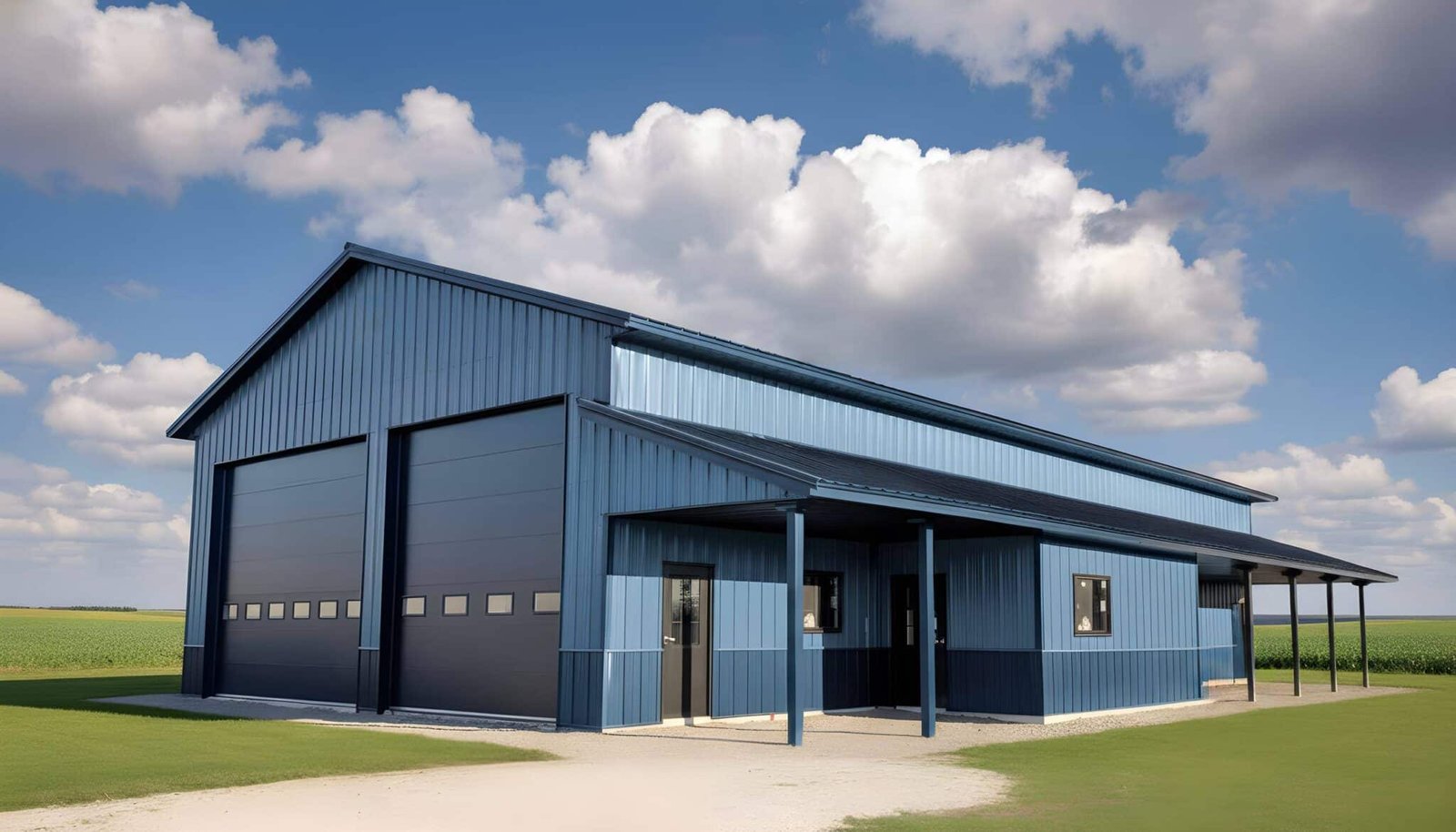
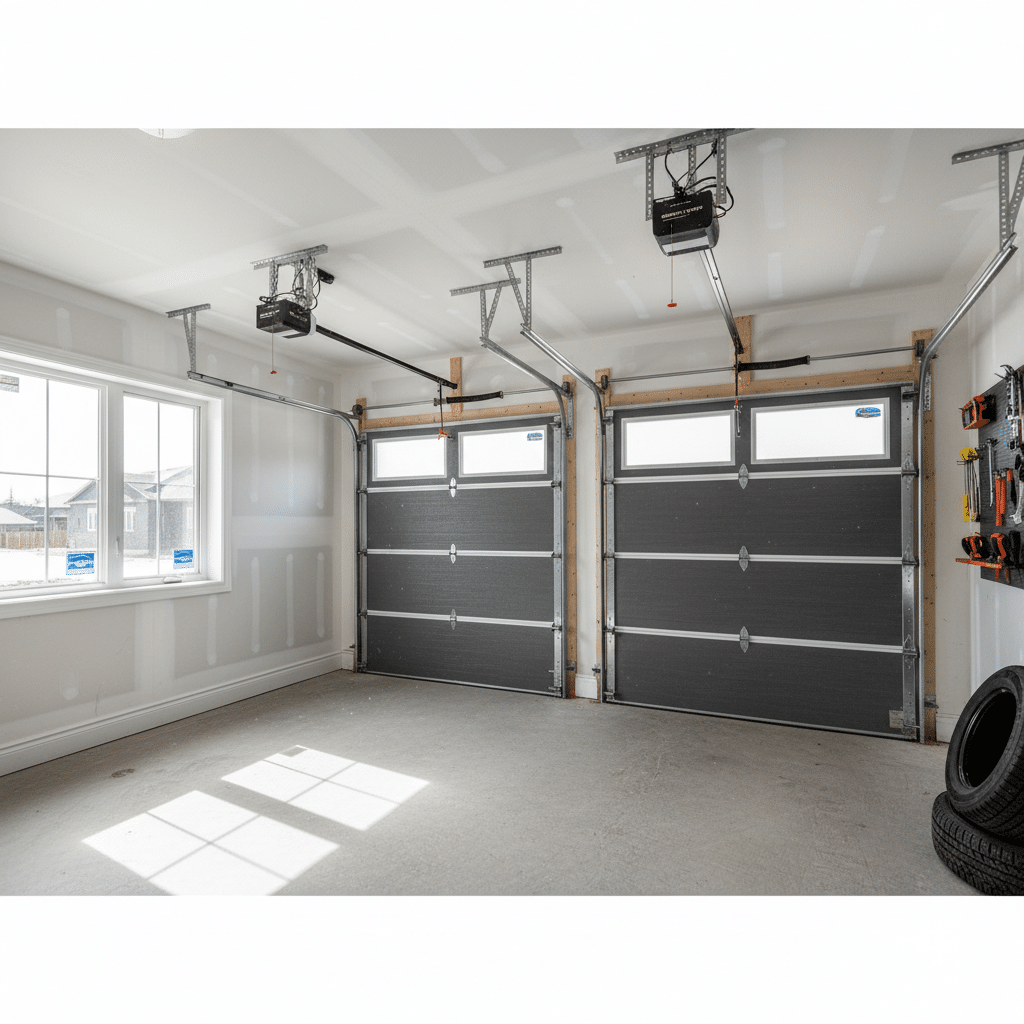
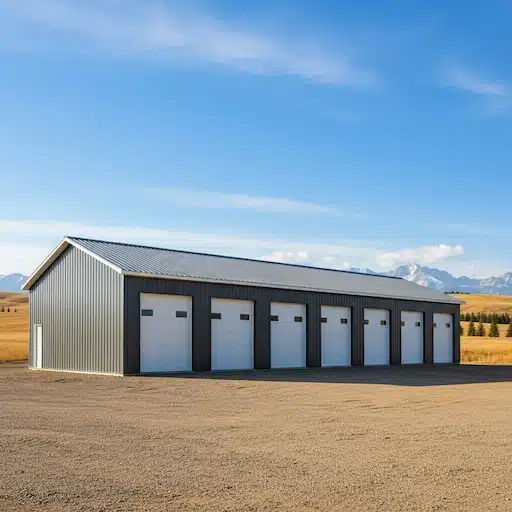
- Shop-Houses – When the ideal home mixes a comfortable living space with your hobby or work, a post frame building is the solution. It’s easy to incorporate unique specs, like wide work bays, tall overhead doors, and heavy-duty flooring, alongside the living quarters.
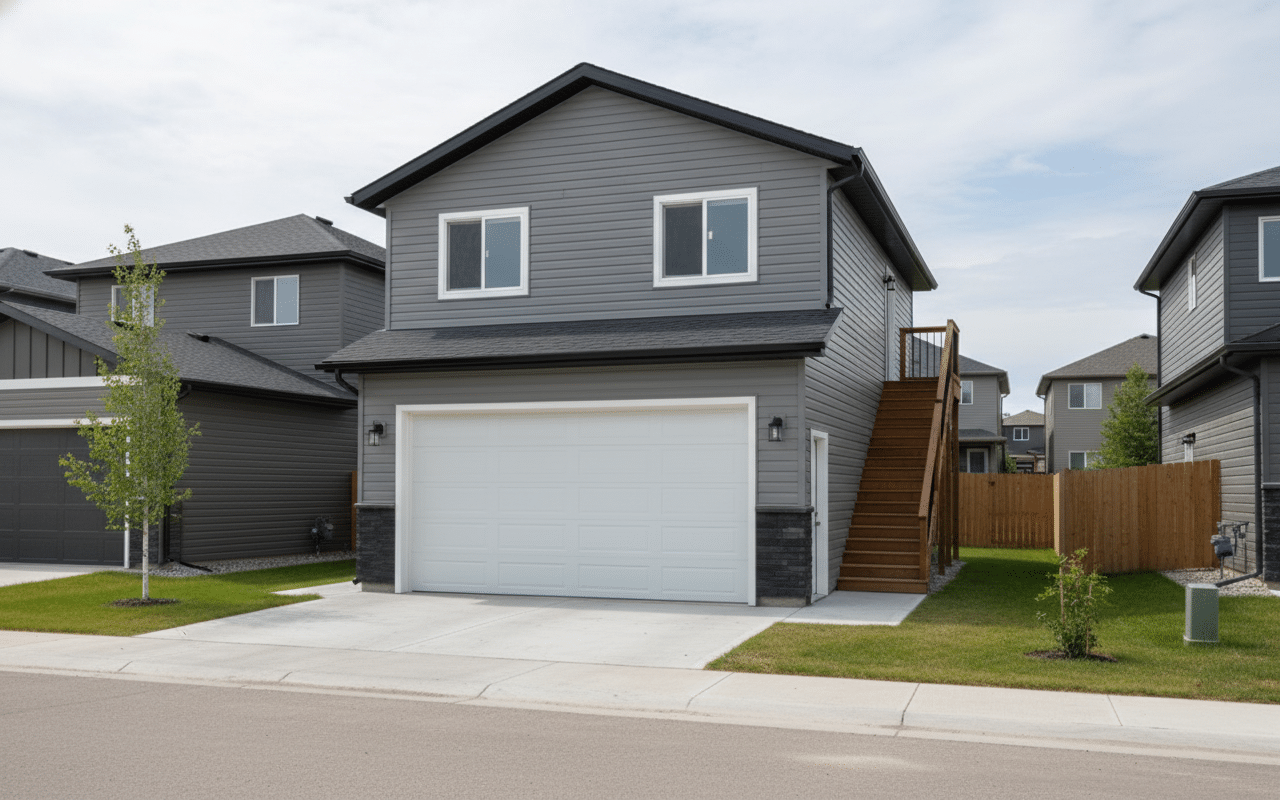
- Guest Houses – Whether it’s an in-law guest house, a pool house, a carriage house, or any other type of secondary dwelling, post frame building is great for flexible guest use.
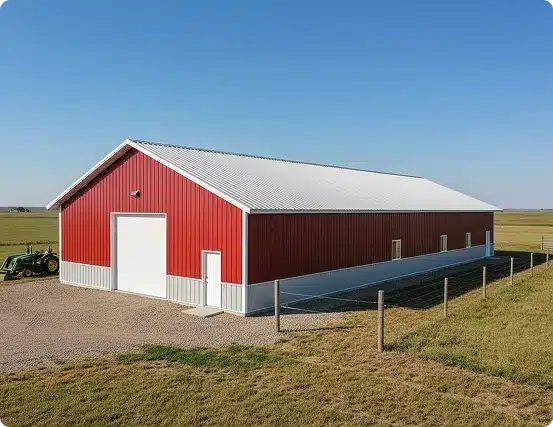
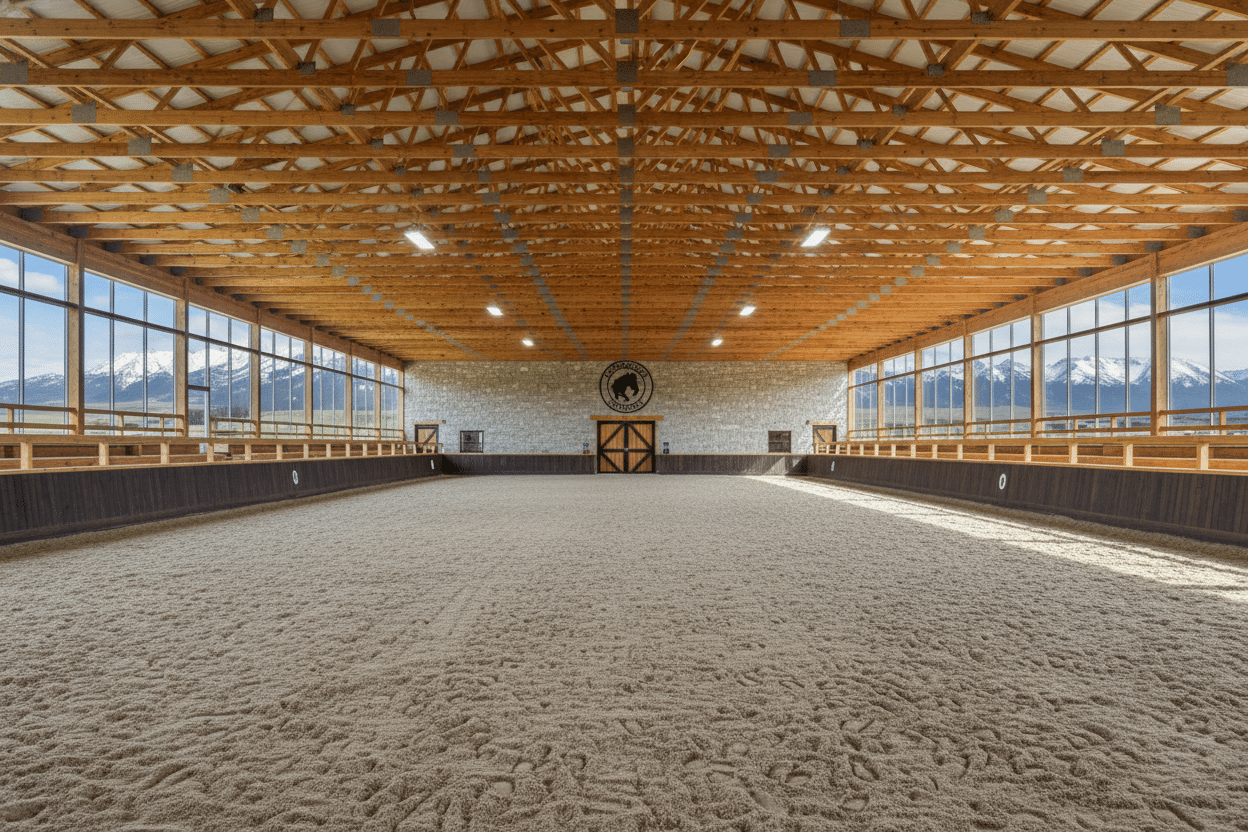
- Rural Living – Acreages and rural properties away from the space constraints of a large city can also benefit from the construction speed, design freedom, and overall efficiency of post frame construction. Easily build a post frame home near your horse riding arena or a secondary dwelling near your workshop.
For clarity and to dispel any myths out there, a residential post frame home is not:
- Temporary
- Lower-quality
- Limited to rustic or barn-style aesthetics
Comfort and Performance in the Canadian Climate
The Canadian climate is demanding. Above all, your post frame building needs to keep the elements out and the heat in. To achieve the ultimate in comfort for your farmhouse or barndominium in Canada, your post frame building plans need to include:
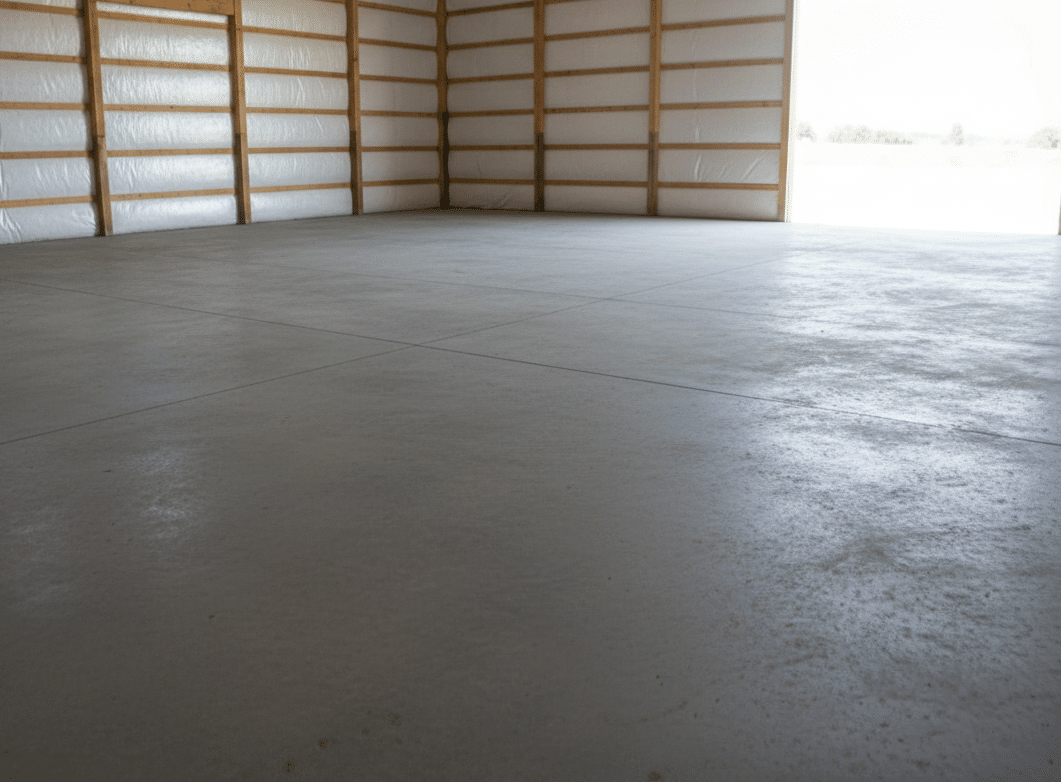
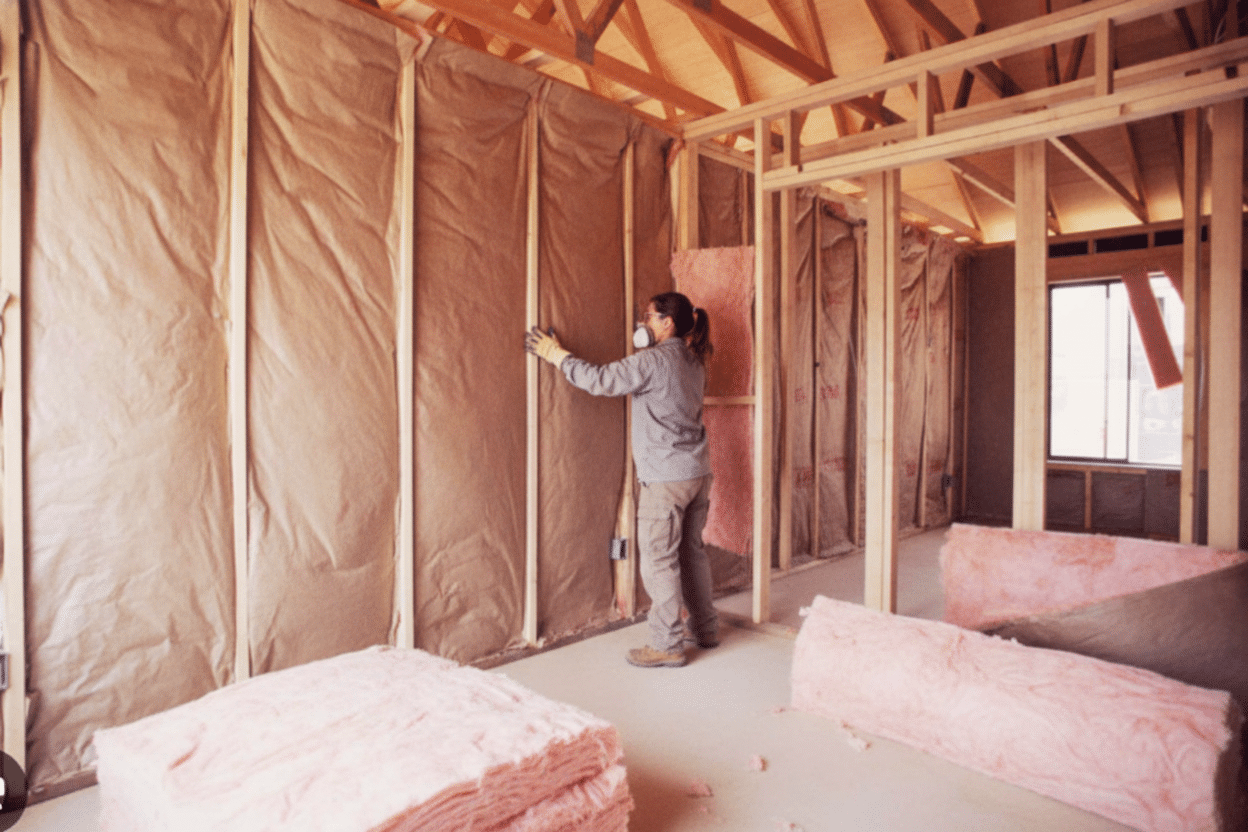
- A building insulation strategy for the walls, roof or attic, and the slab edge and perimeter.
- Air sealing to prevent heat loss and internal drafts.
- Condensation and code-aligned vapour control to avoid moisture problems in the winter.
- Proper ventilation for healthy and well-circulated indoor air.
When done correctly, post frame construction maintains comfort year-round to ensure your barndominium in Canada doesn’t feel at all like a barn. It stays warm and dry like any other residential property.
The Design Options Every Homeowner Should Consider
Because post frame construction lets you customize your space, homeowners can truly get creative and fit both the design and function to their specific requirements. Tiny homes, barndominiums, and post frame homesteads don’t need to look like agricultural buildings anymore. Here are some of the possibilities:
- Open-plan living for complete flexibility.
- High ceilings that can be vaulted or lofted.
- Smart window placement to maximize light, views, and even energy efficiency.
- Exterior upgrades to increase curb appeal – think porches, siding colours, stone accents, and architectural features.
Knowing What’s Included and What Isn’t
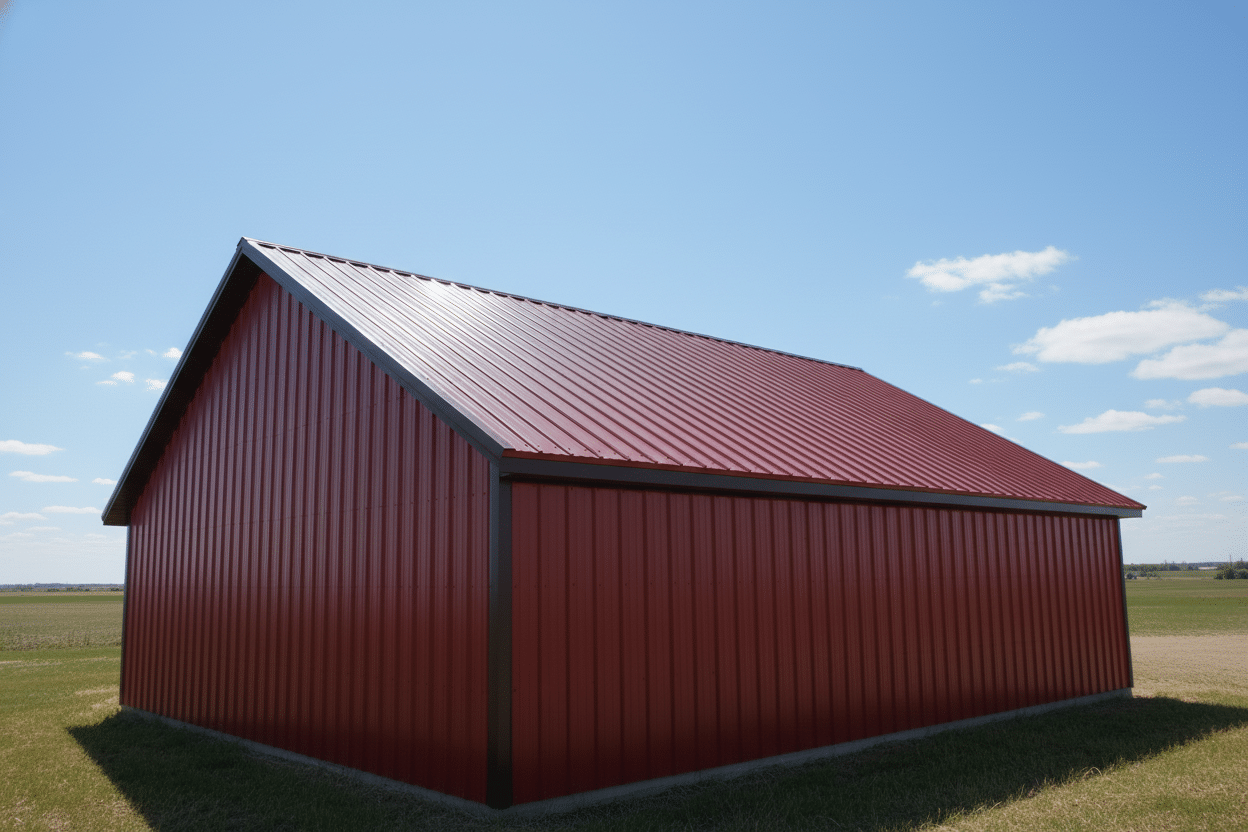
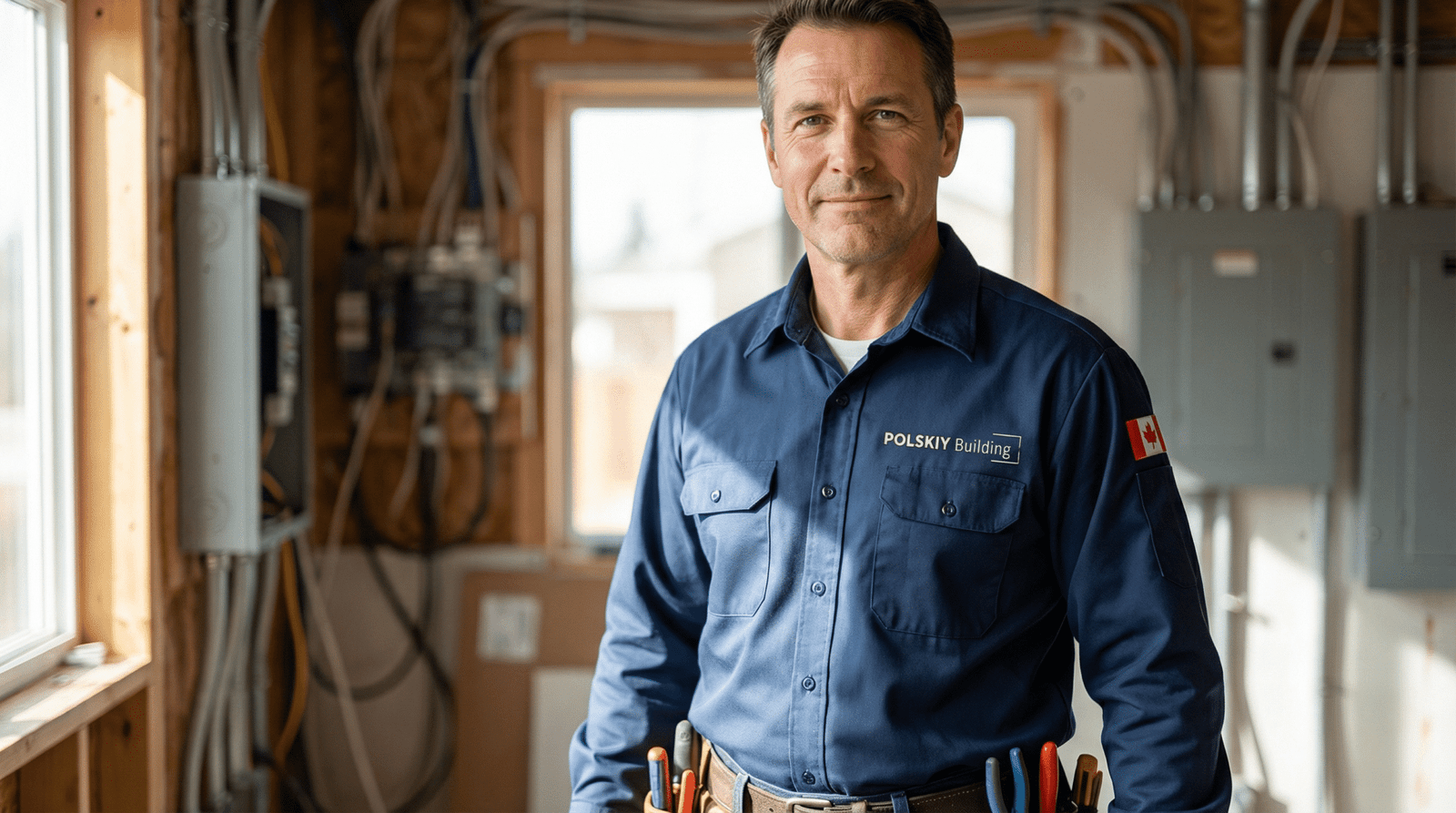
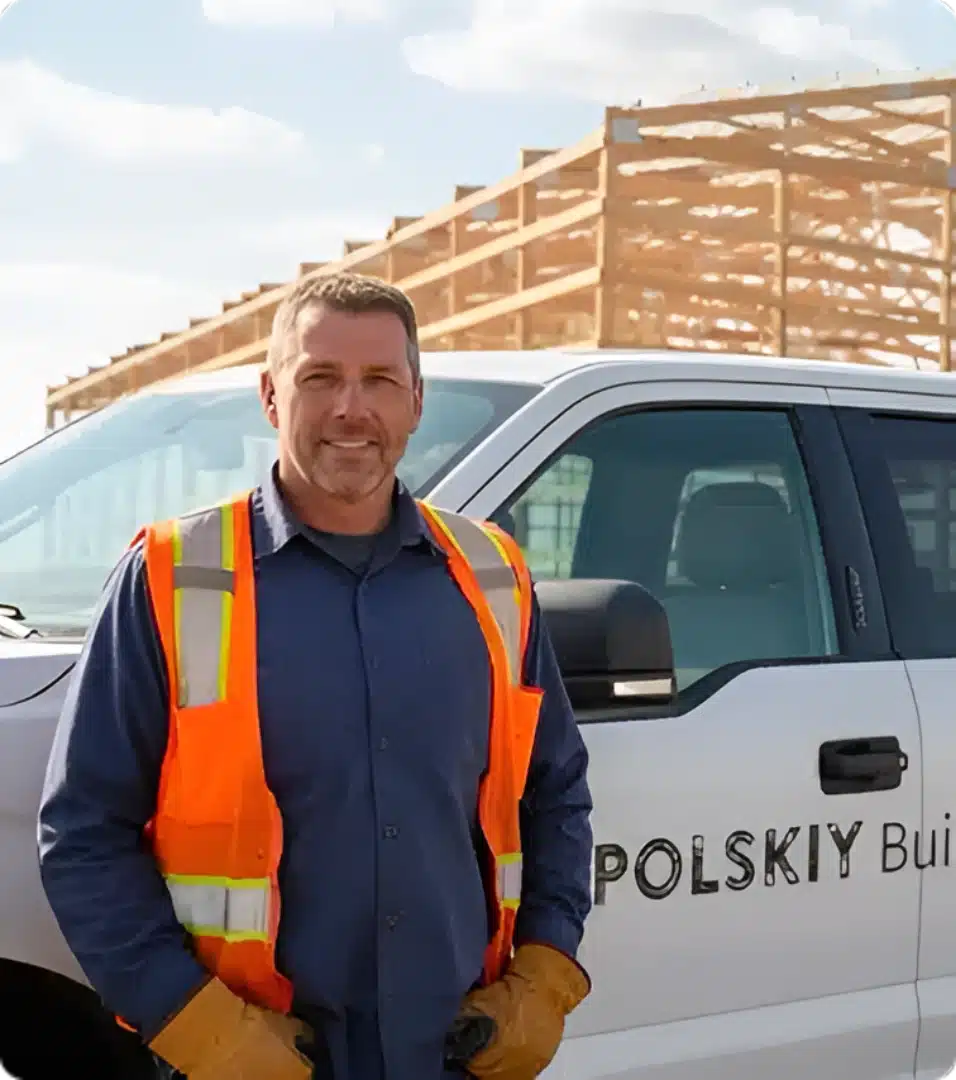
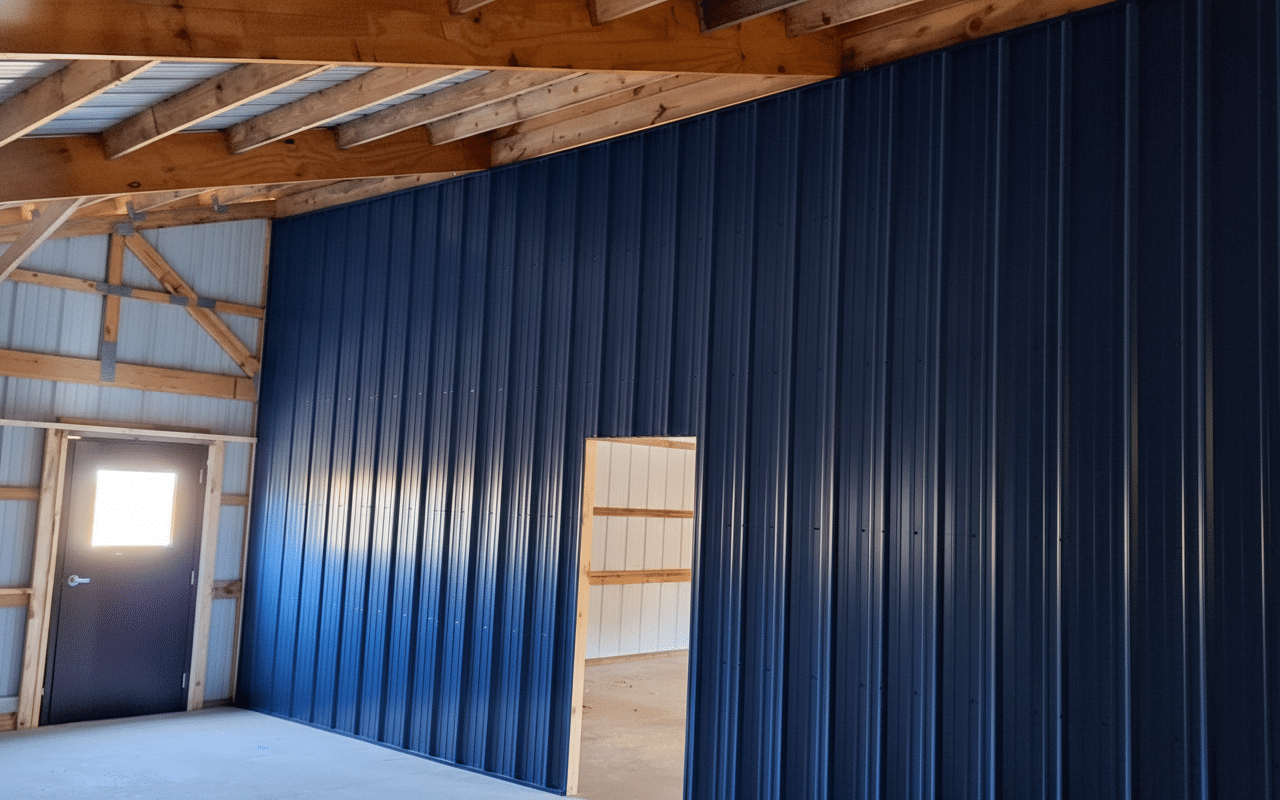
At Polskiy Building, we’re an integrity company, and we always want to set clear expectations from the start. Our post frame building packages favour the lock-up building stage. That means your residential post frame building is completely done on the exterior and ready for you to add the finishing touches inside.
The typical post frame construction packages include:
- Weather sealing the exterior for complete protection from the elements.
- Exterior walls.
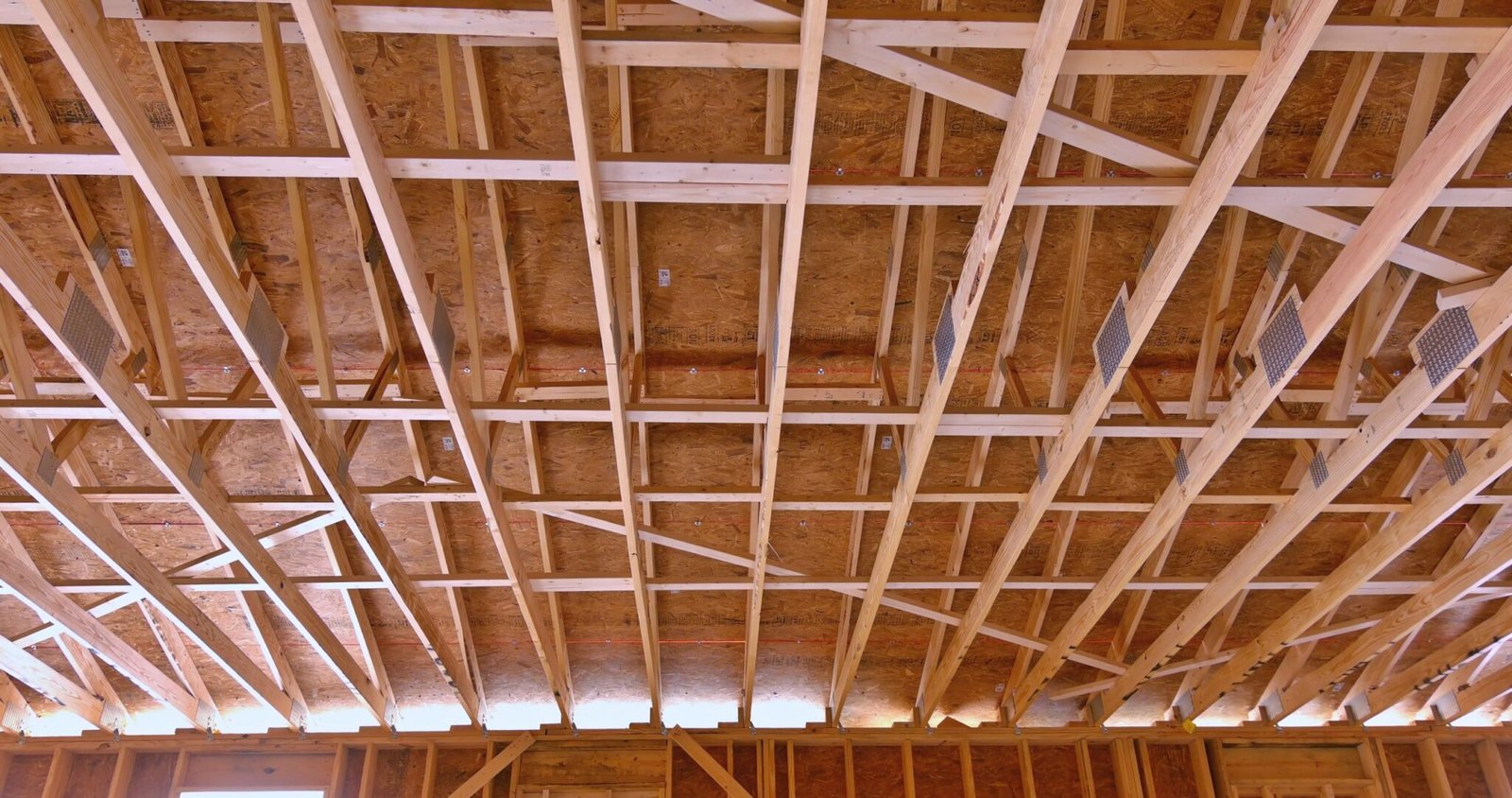
- An expertly-engineered roof system.
- All exterior windows and doors (as specified in your selected package/contract).
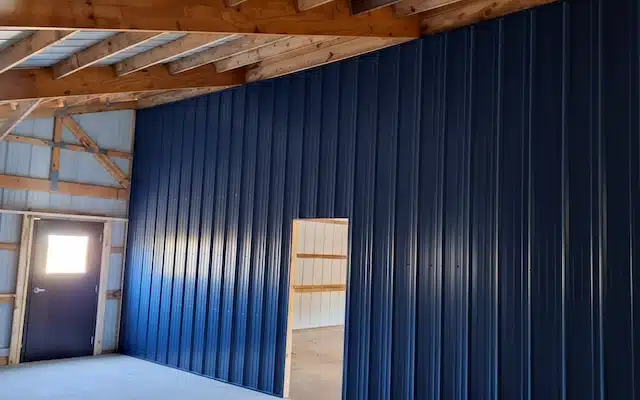
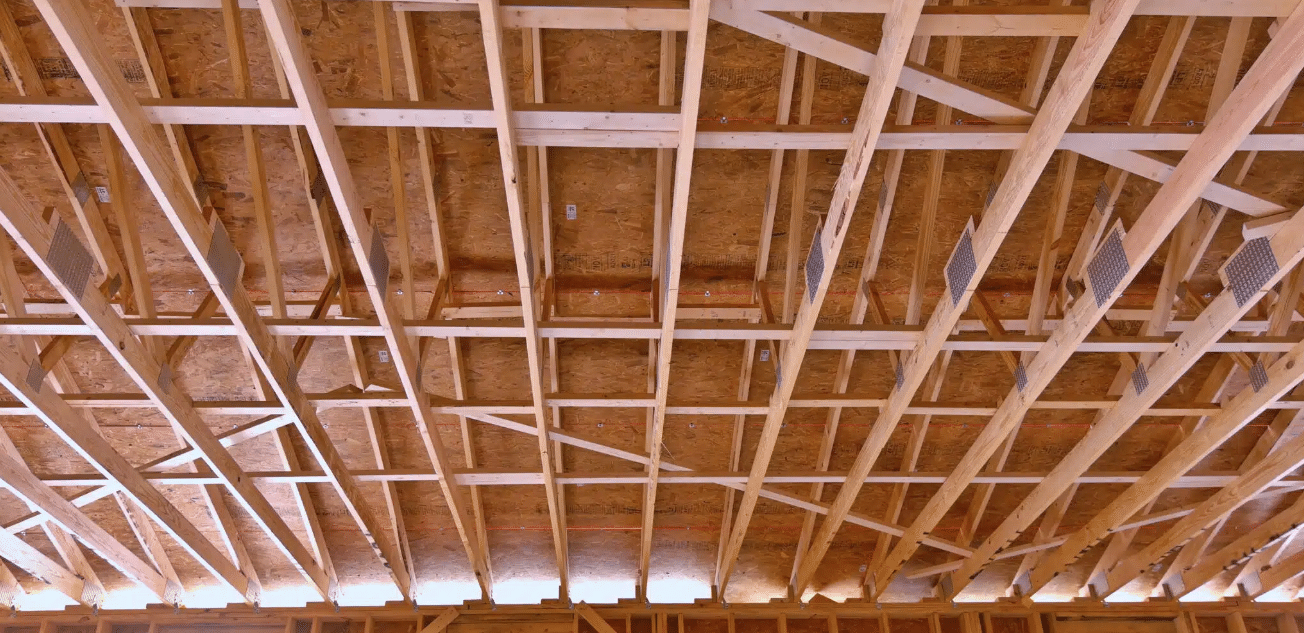
Certain packages may also include open-web floor trusses, stairs, and interior shop liners.
For turn-key builds, we coordinate site prep, permits, and licensed trades so you don’t have to manage multiple contractors. Municipal fees and third-party trade costs are itemized unless separately included in your contract:
- Excavation and other building site preparation.
- Core interior systems like HVAC, plumbing, and electrical work.
- Interior insulation, framing, drywall, or any other type of interior finishing.
- Permit fees/approvals (requirements vary by municipality).
- New-home warranty (where required by provincial law)
Permits and Engineered Drawings (Why They’re Non-Negotiable)
Engineering is a crucial part of the post frame construction process. It takes into account everything from snow and wind loads to roof truss design and structural bracing.
The initial engineered drawings are often required to get the necessary permits, which vary by municipality and may include development (planning/zoning) approval and a building permit. Building permit compliance involves ensuring the proposed post frame building meets safety, energy code, and structural standards.
In addition, homeowners need to check the zoning (development permit) for their property. Development approval may be denied if there are issues with the type of land use, utility or driveway access, and setbacks.
Never skip these steps because if you build without proper zoning or permits, the changes needed to bring everything up to par will cost both time and money.
Cost Drivers, Timeline, and the Typical Build Process
The cost for post frame buildings in Canada varies widely. It will largely depend on:
- Size and footprint of the home – choosing a large structure and things like a garage or extra exterior storage will increase costs.
- Roof complexity – a simple gable roof is less expensive than multiple valleys/peaks.
- Insulation level and energy efficiency targets.
- Quality, size, and design of windows and doors.
- Interior finish level – basic vs. premium.
The typical post frame building process involves:
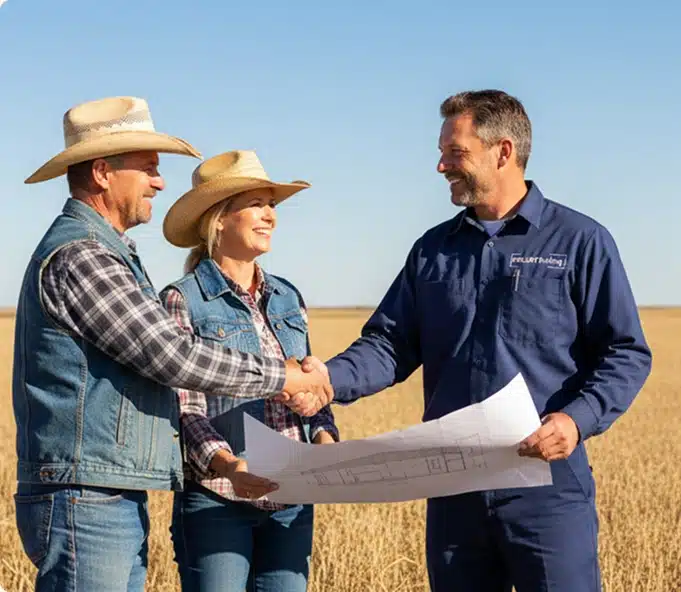
- A discussion on your budget and the available options.
- An inspection of the building site.
- Preparation of the plans by our expert designers and engineers.
- The customer obtains the necessary permits.
These first steps generally take between 4 and 8 weeks, but vary based on complexity and permit wait time.
- The customer has the site prepared for building, and work begins on the foundation (1 to 2 weeks).
- The exterior shell/walls are erected (1 to 2 weeks),
- Lock-up and chosen exterior finishes are installed (1 to 2 weeks).
- Final inspection and handover (1 day).
- The customer proceeds with organizing the interior finishes.
Without considering the timeframe for the interior finishes, the post frame construction generally takes between 6 and 12 weeks. A traditional stick-built residential property can easily take twice that amount of time to get to the same lock-up stage.