 Airdrie
  Banff
Banff  Beaumont
  Brooks
  Calgary
  Camrose
  Canmore
  Chestermere
  Cochrane
  Drumheller
  Edmonton
  Fort McMurray
  Fort Saskatchewan
  Grande Prairie
  High River
  Leduc
Leduc  Lethbridge
  Lloydminster
  Medicine Hat
  Okotoks
  Red Deer
  Rocky Mountain House
  Sherwood Park
  Spruce Grove
  St. Albert
  Stony Plain
  Sylvan Lake
  Whitecount




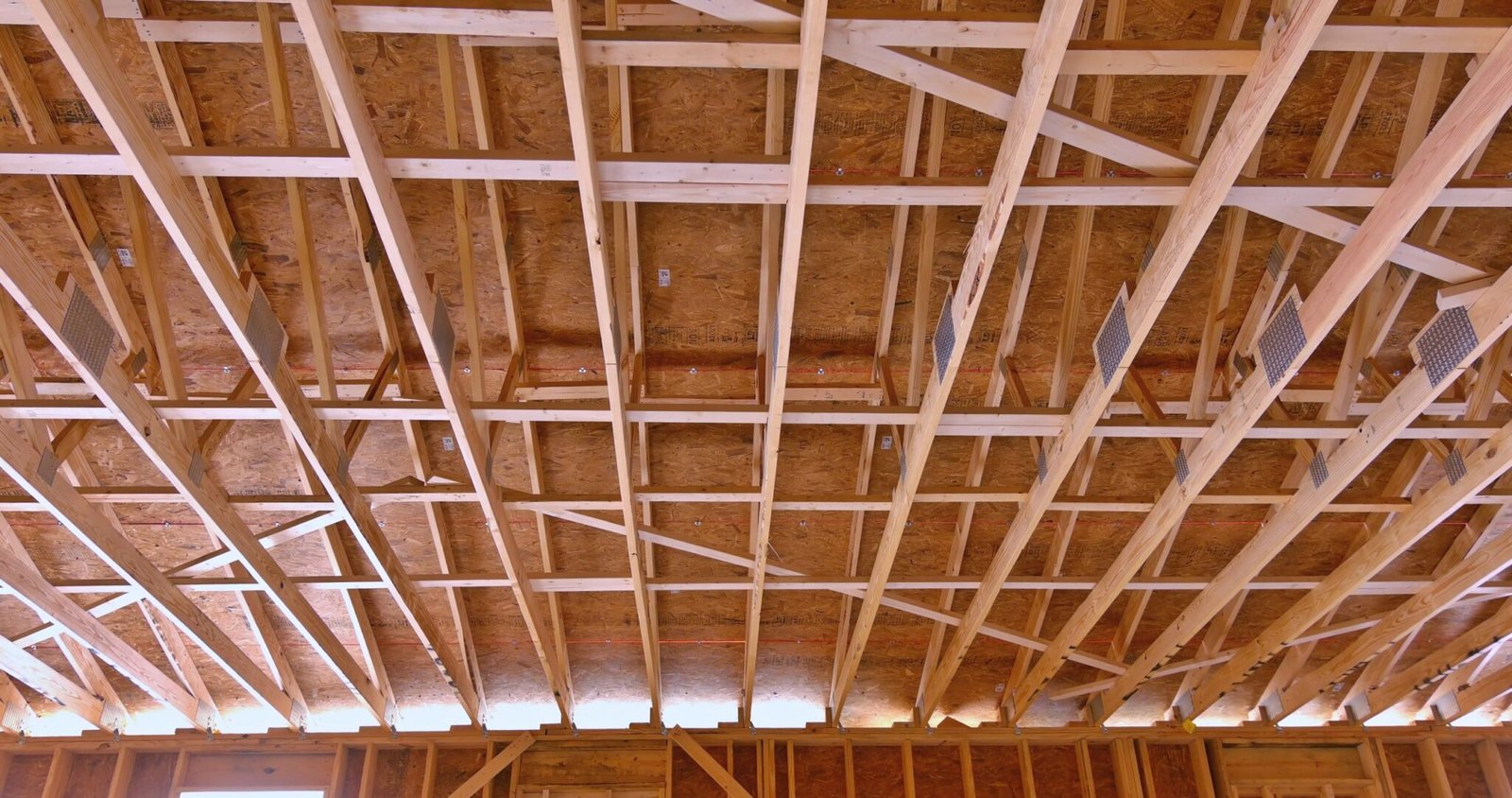
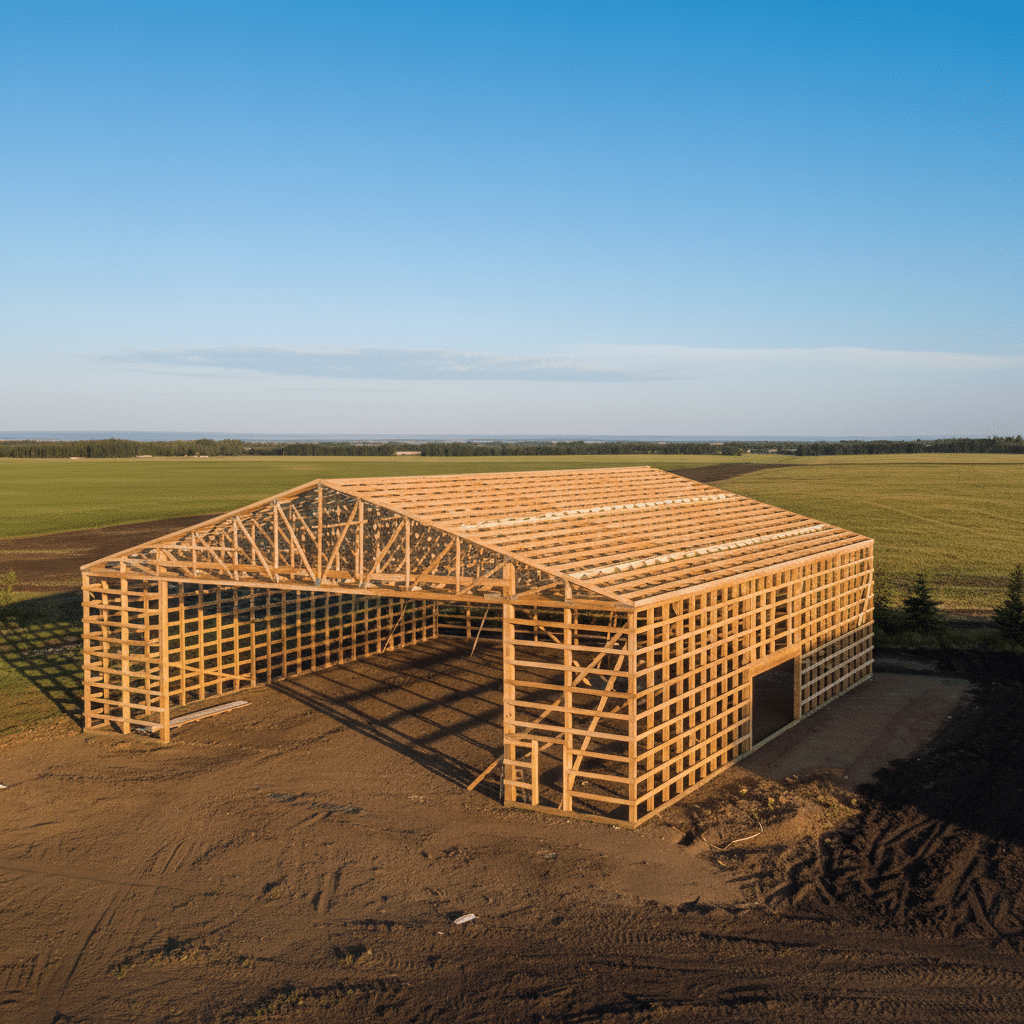
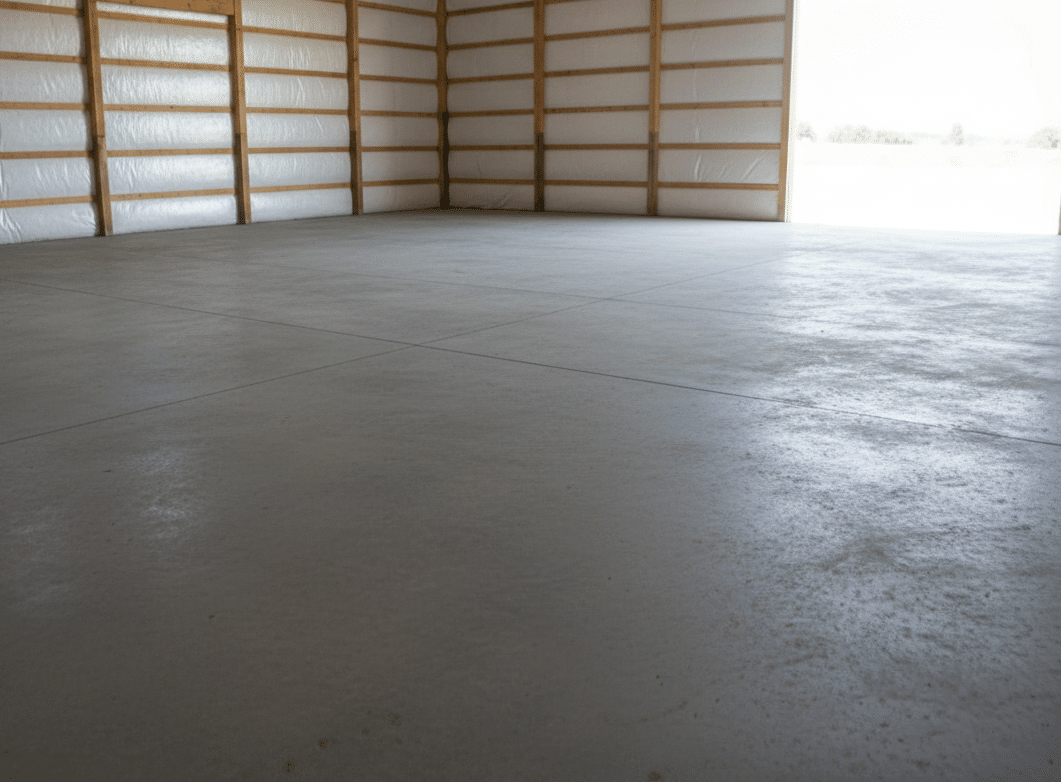
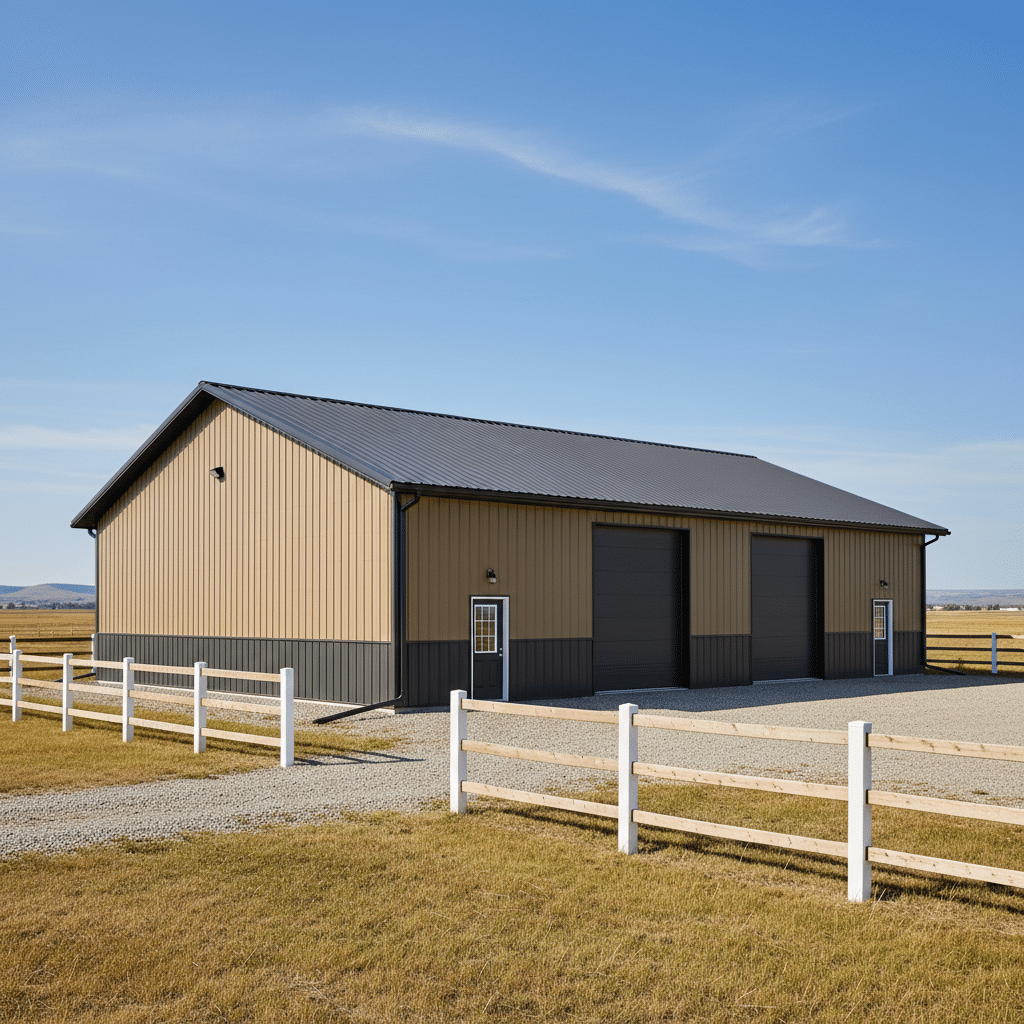









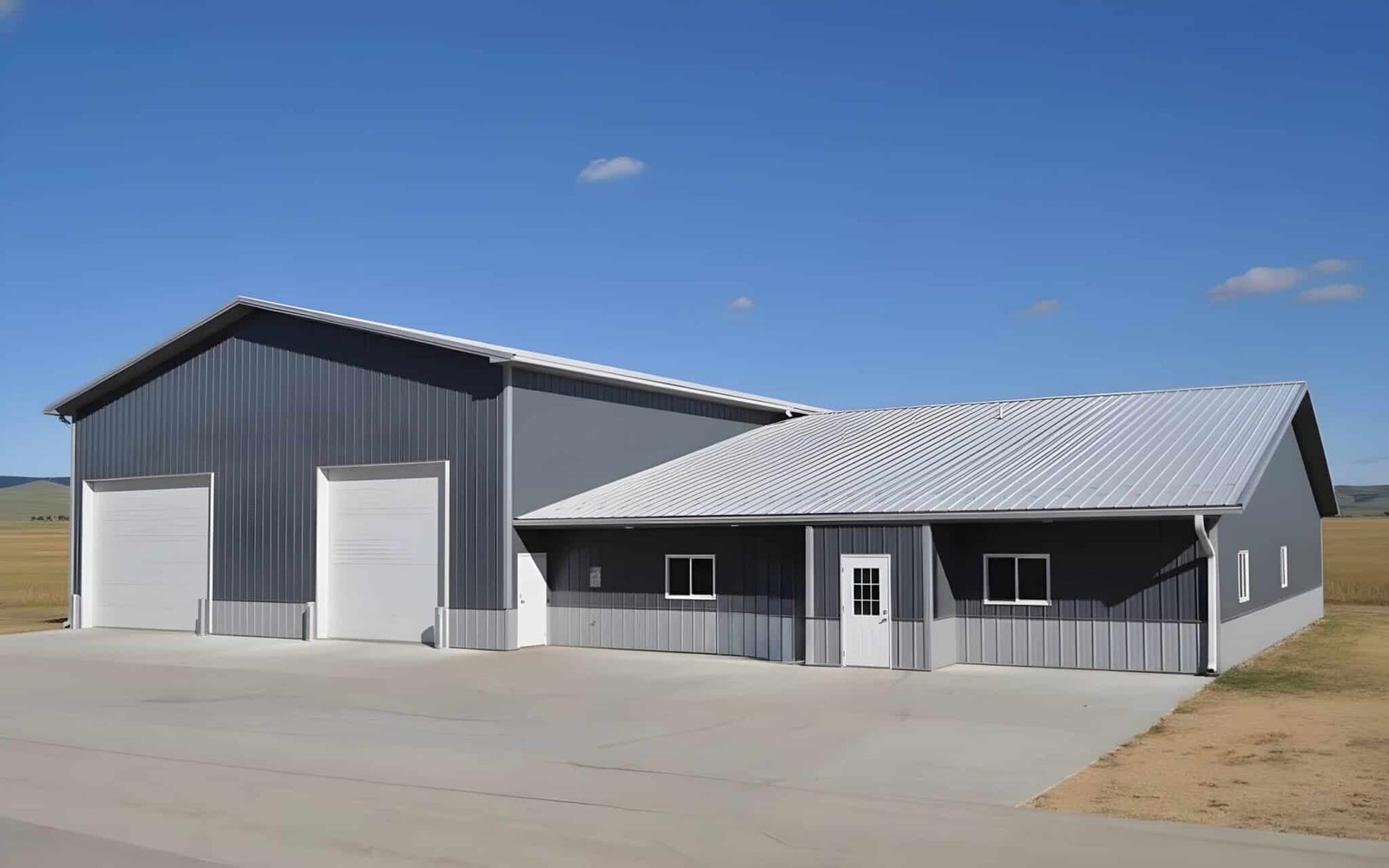

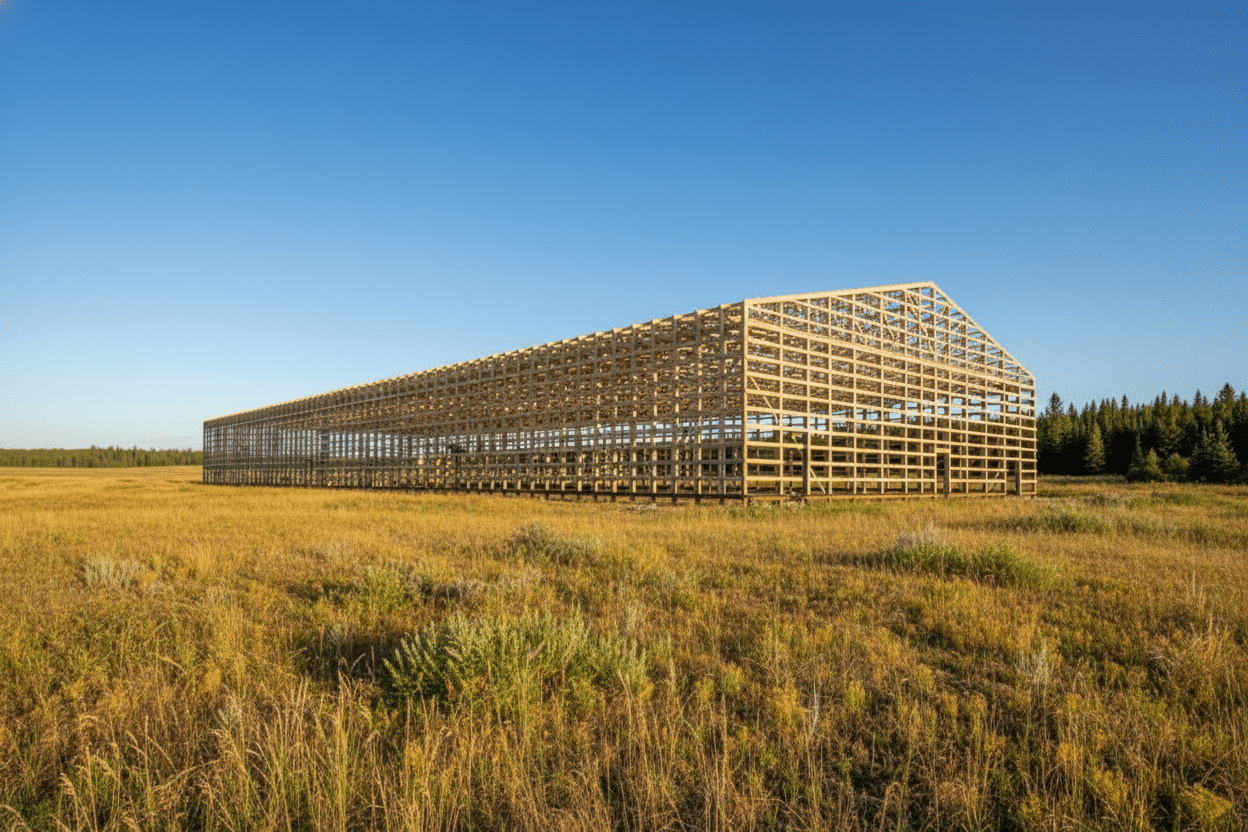
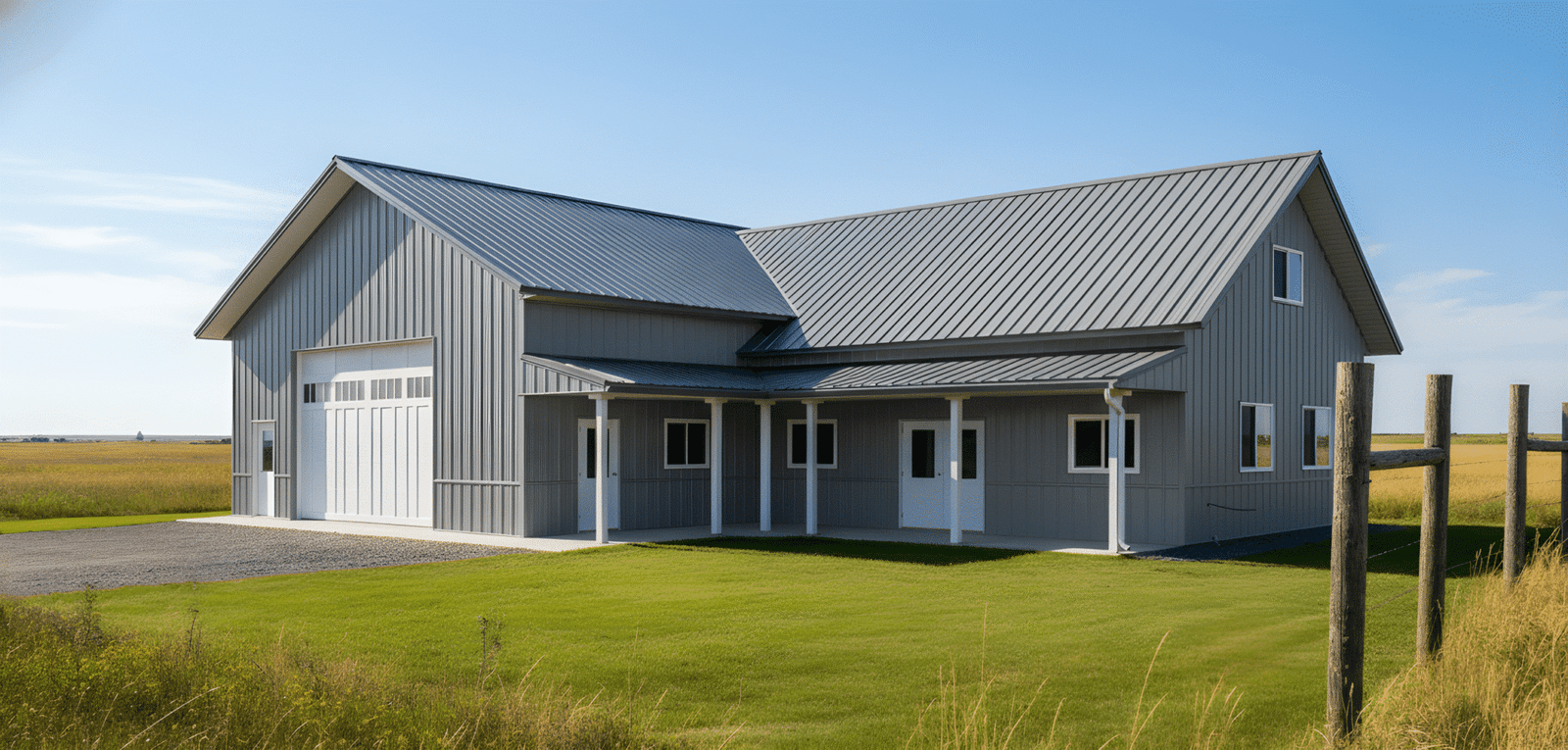
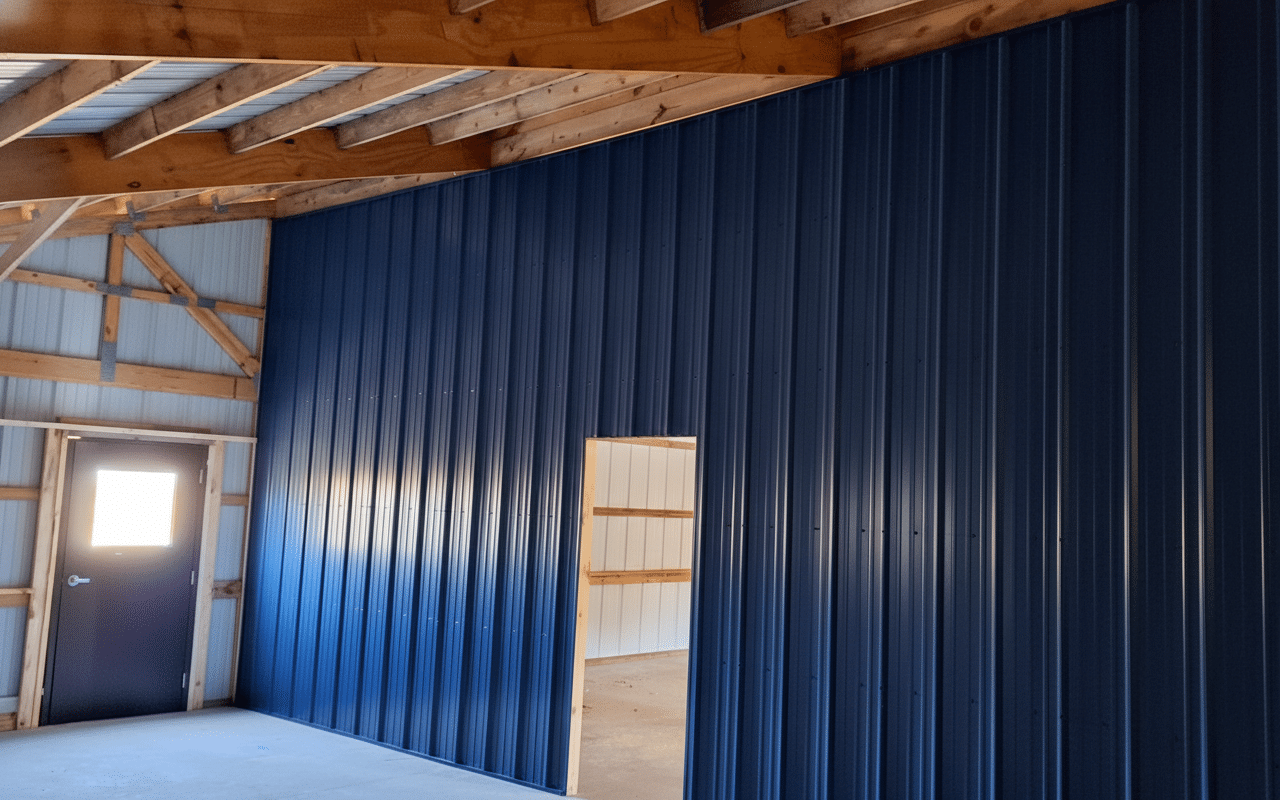




Post-Frame Shops in Canada – Purpose-Built for Real Work
What’s a Post Frame Shop and How is it Commonly Used?
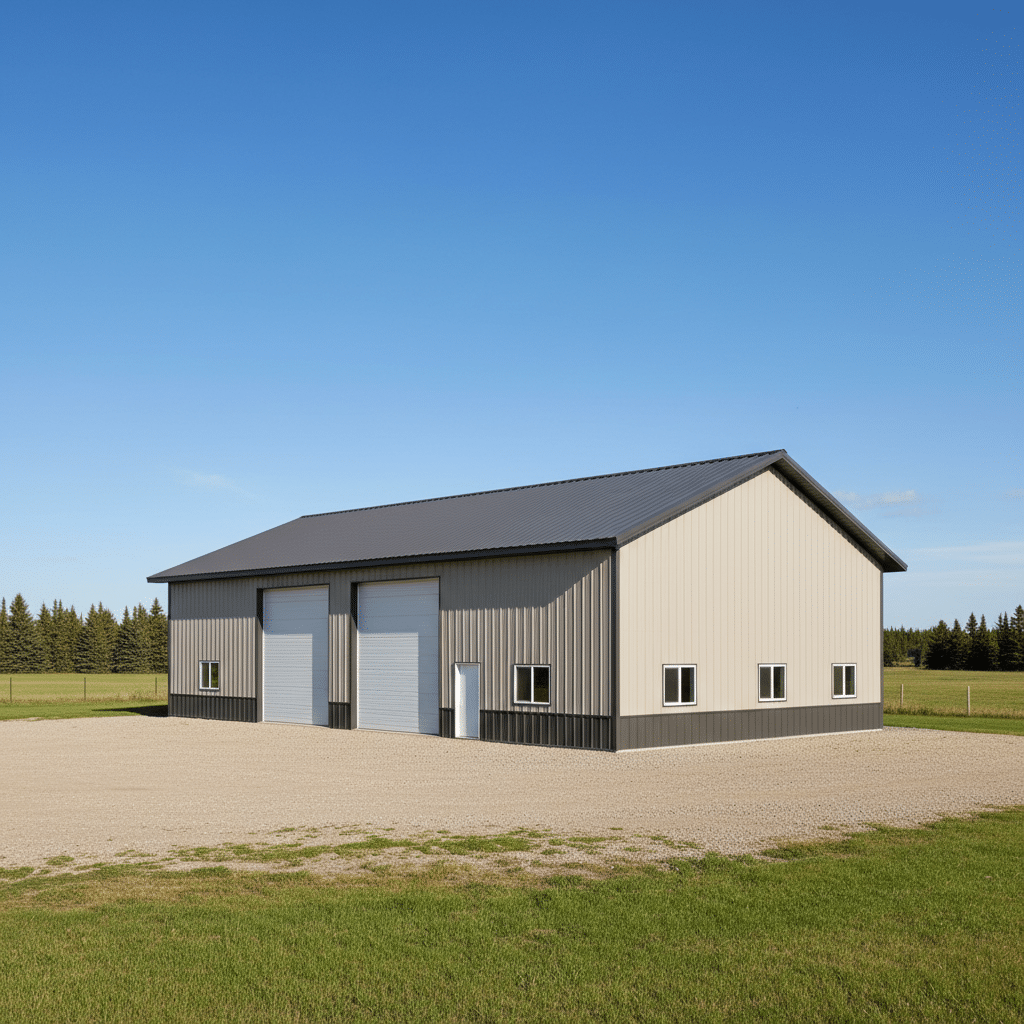
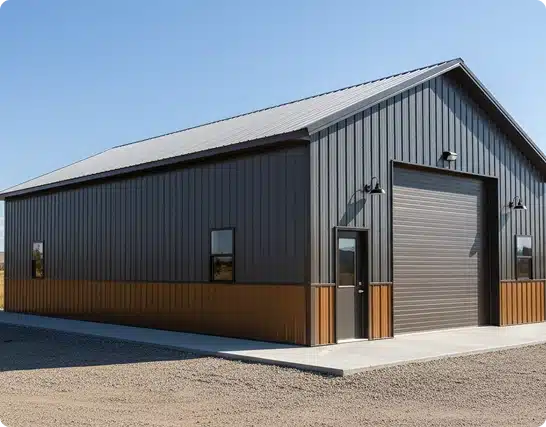
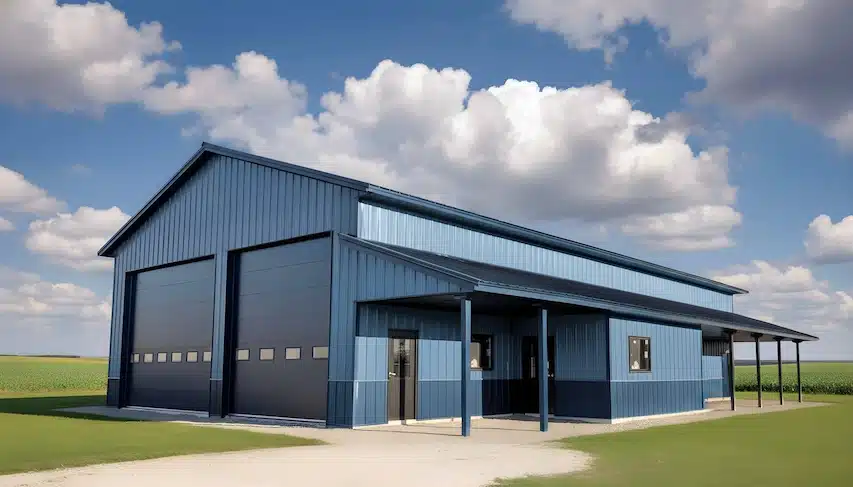
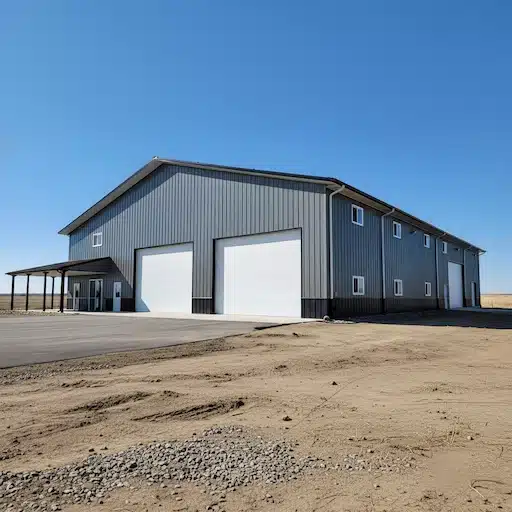
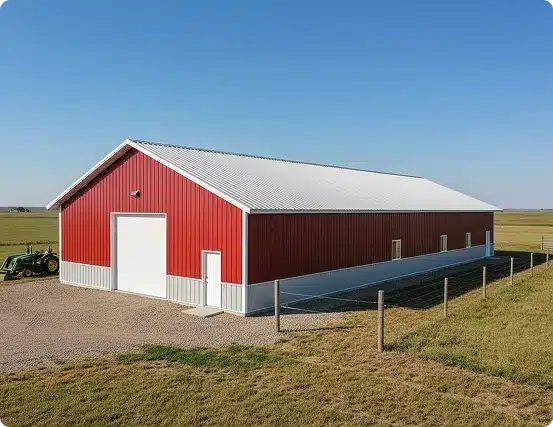
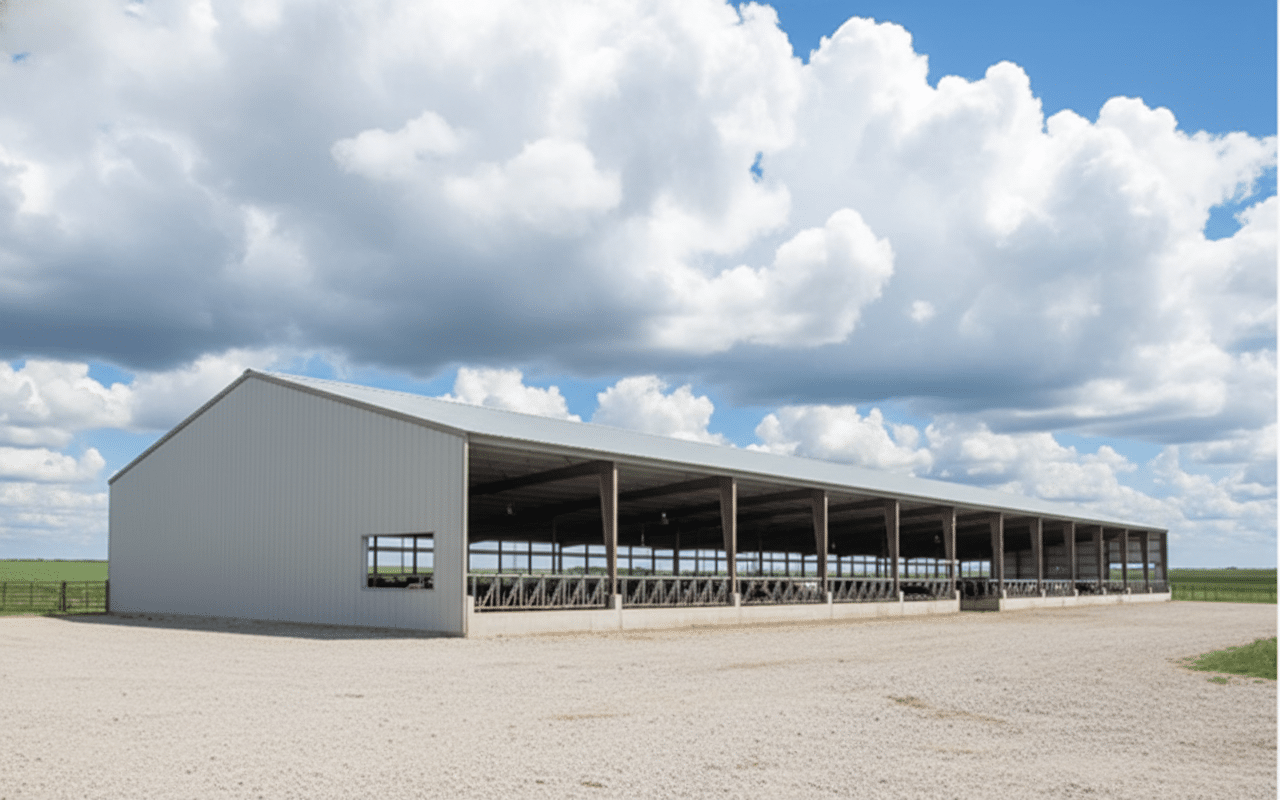
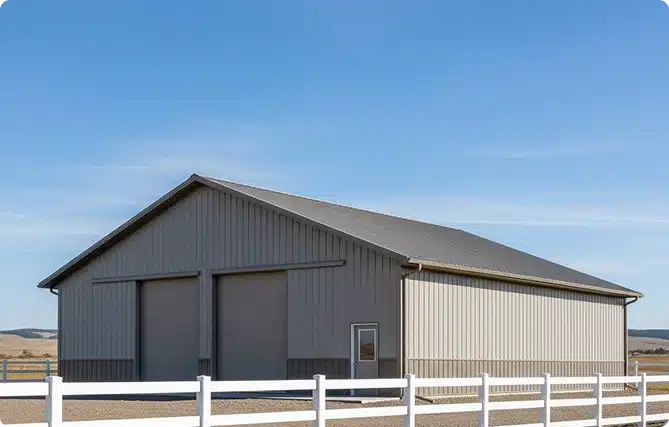
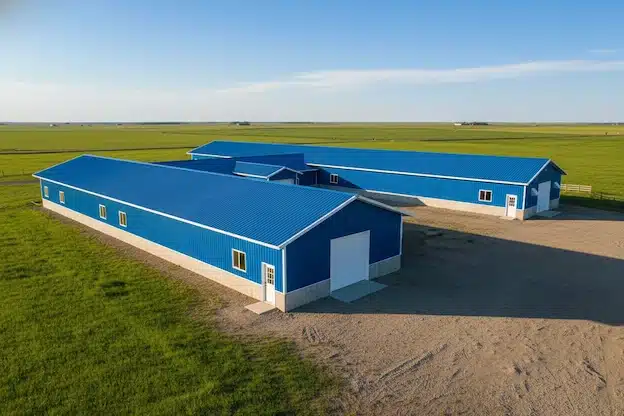
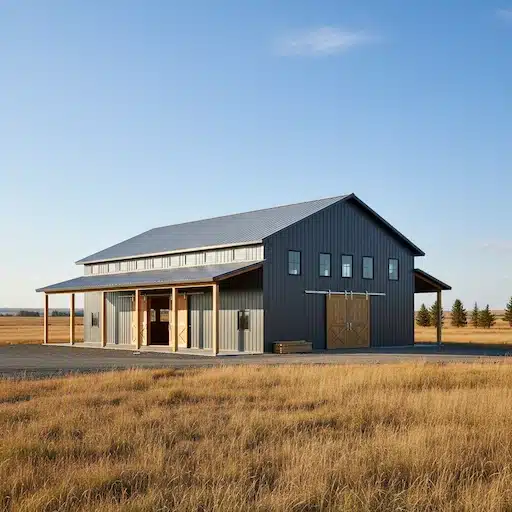
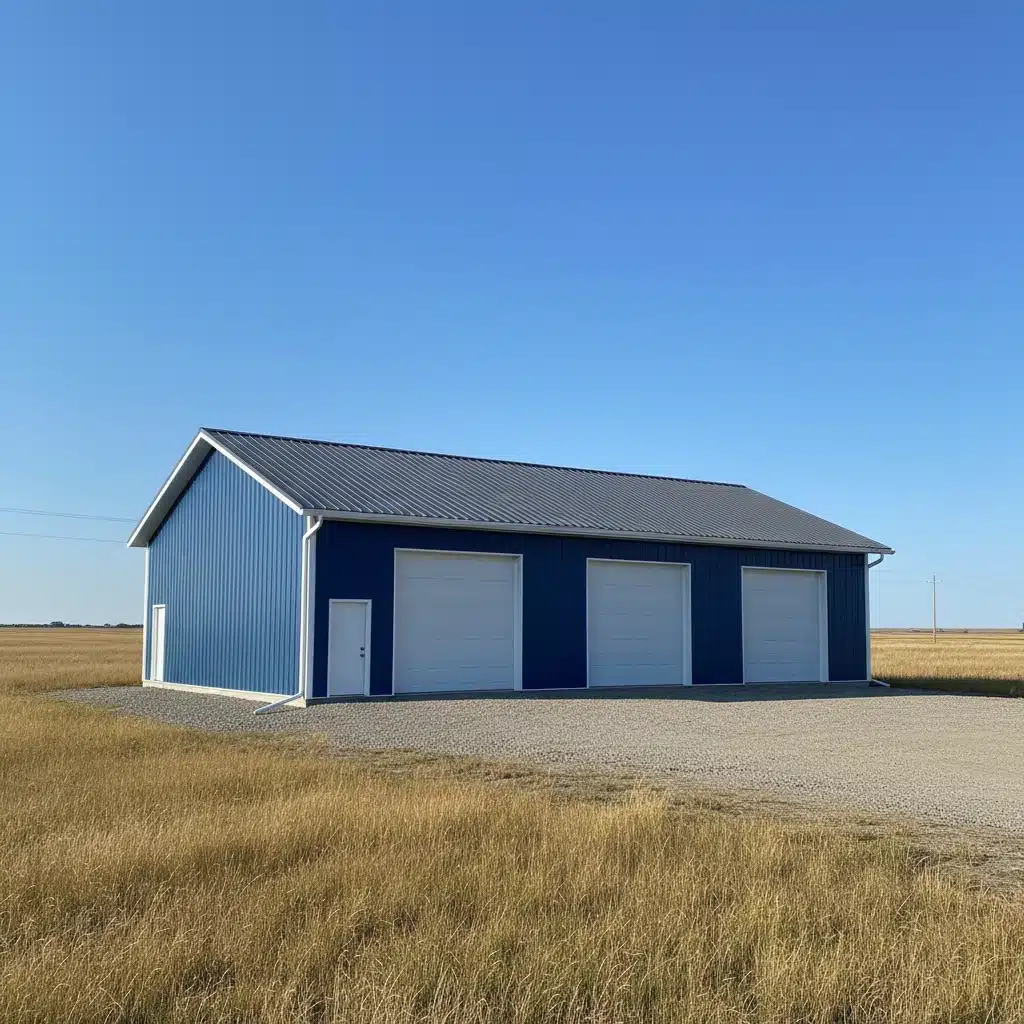
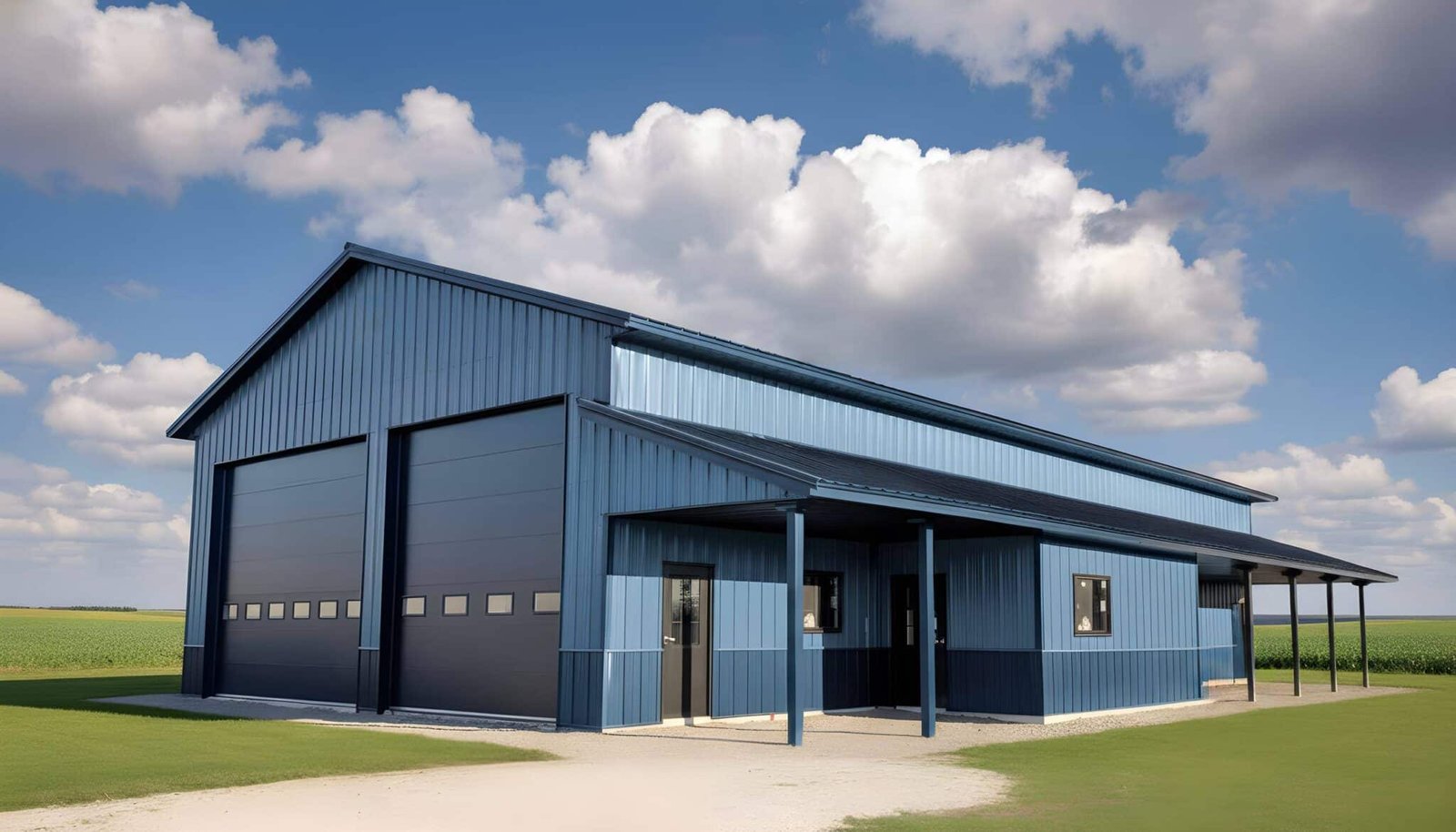
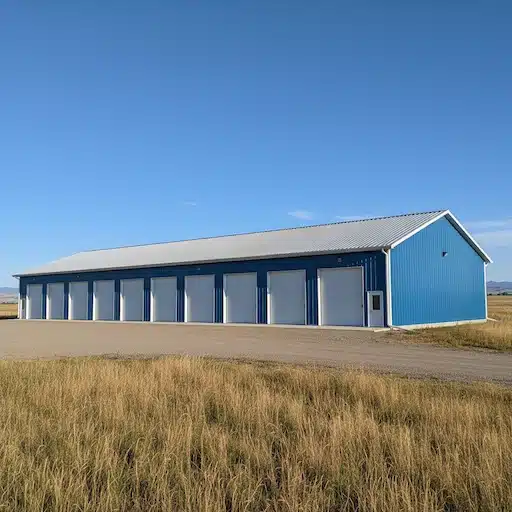
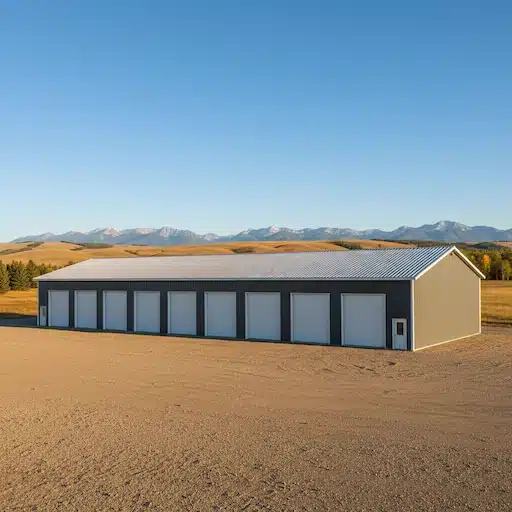
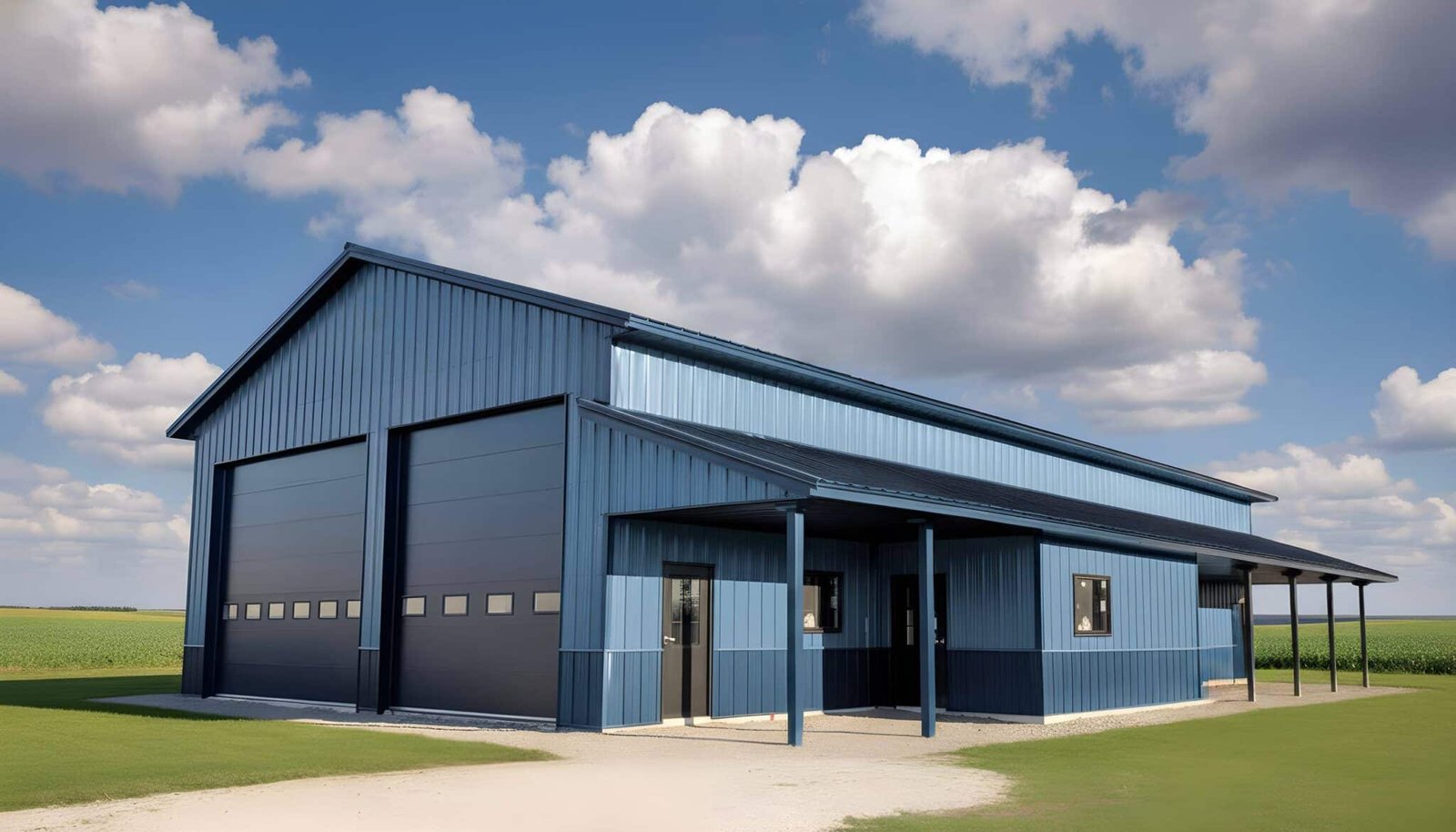
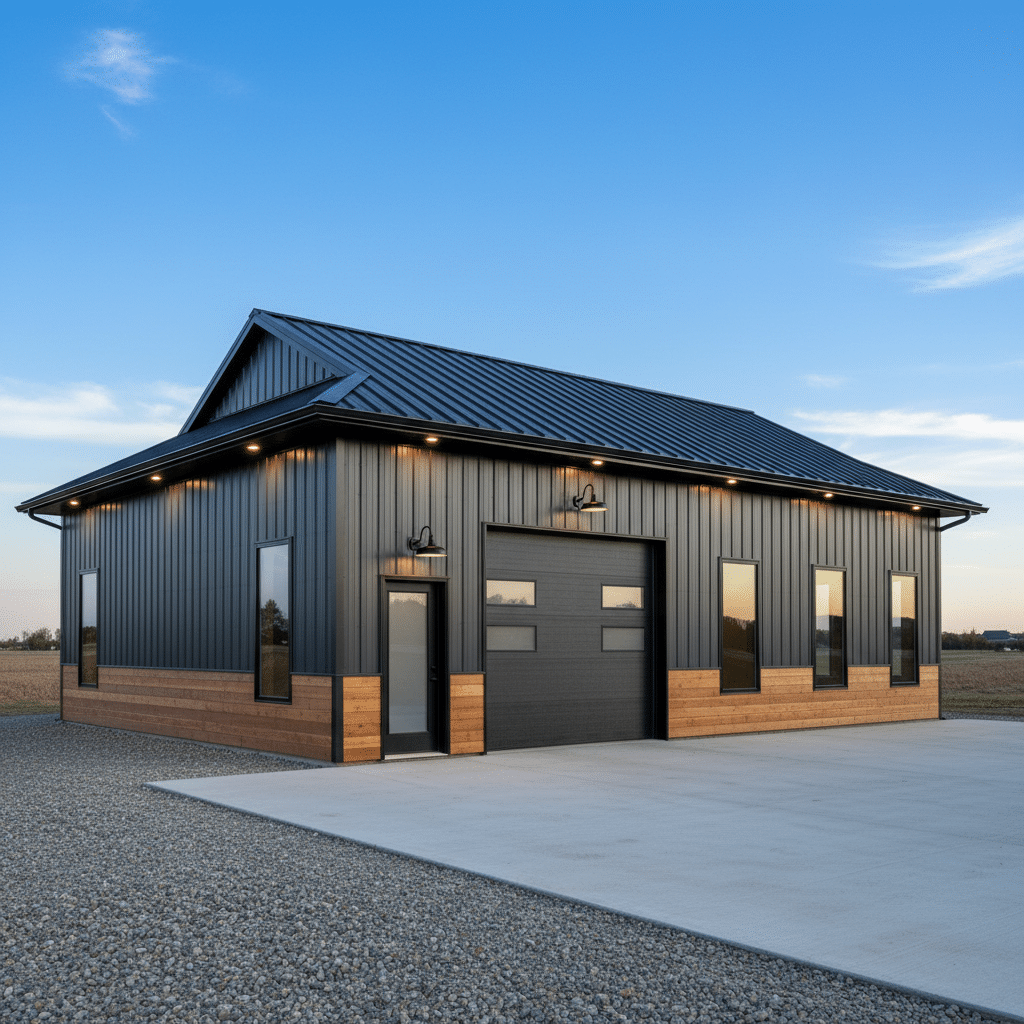
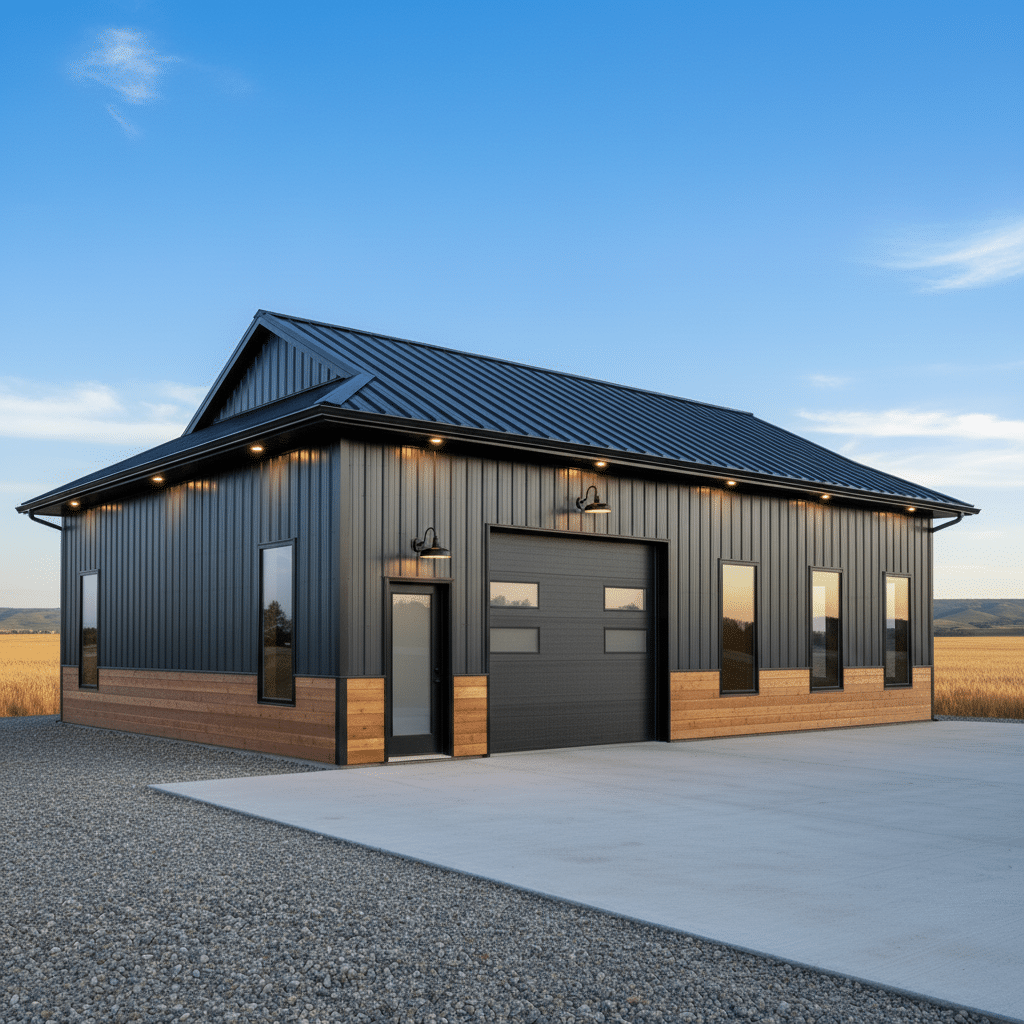
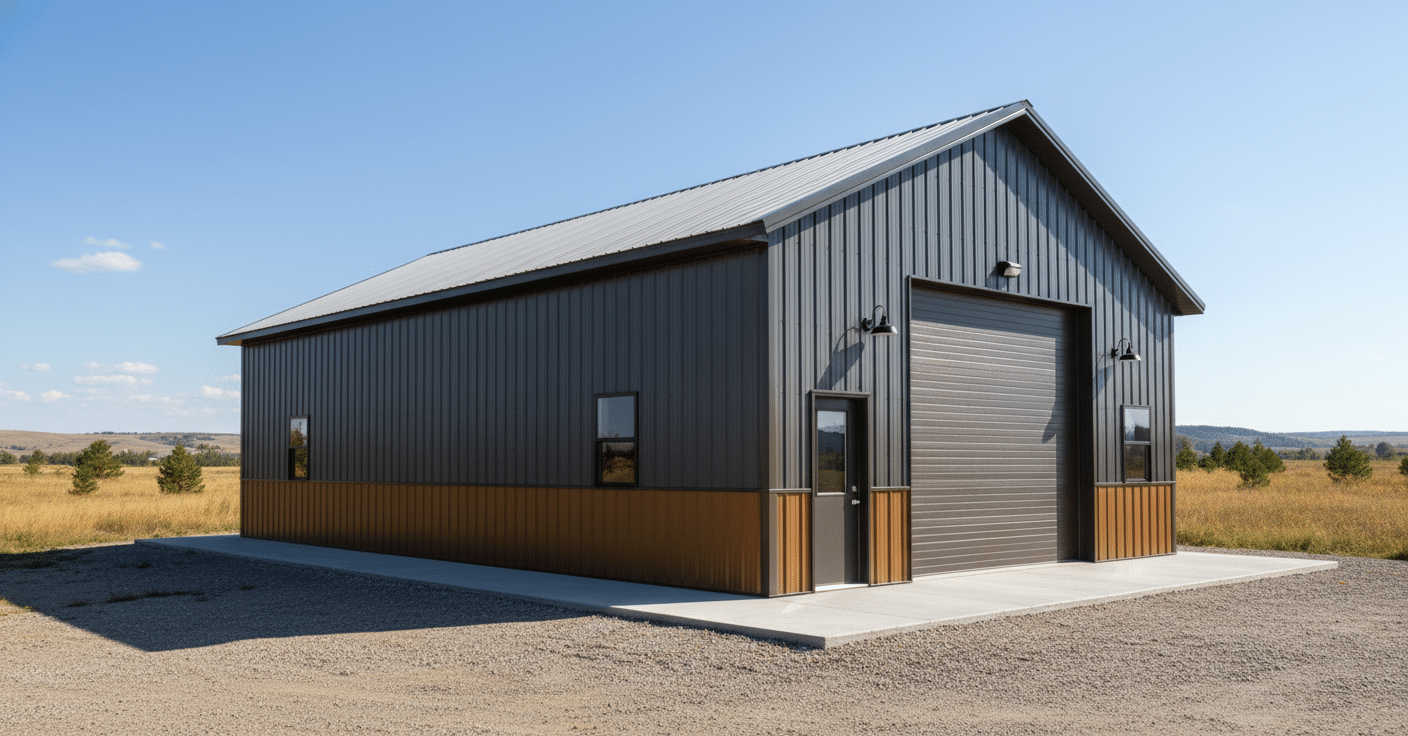
A post frame shop is one of the most versatile building types. It can support farm operations, equestrian facilities, or a contracting business, or function as the ideal hobby workshop.
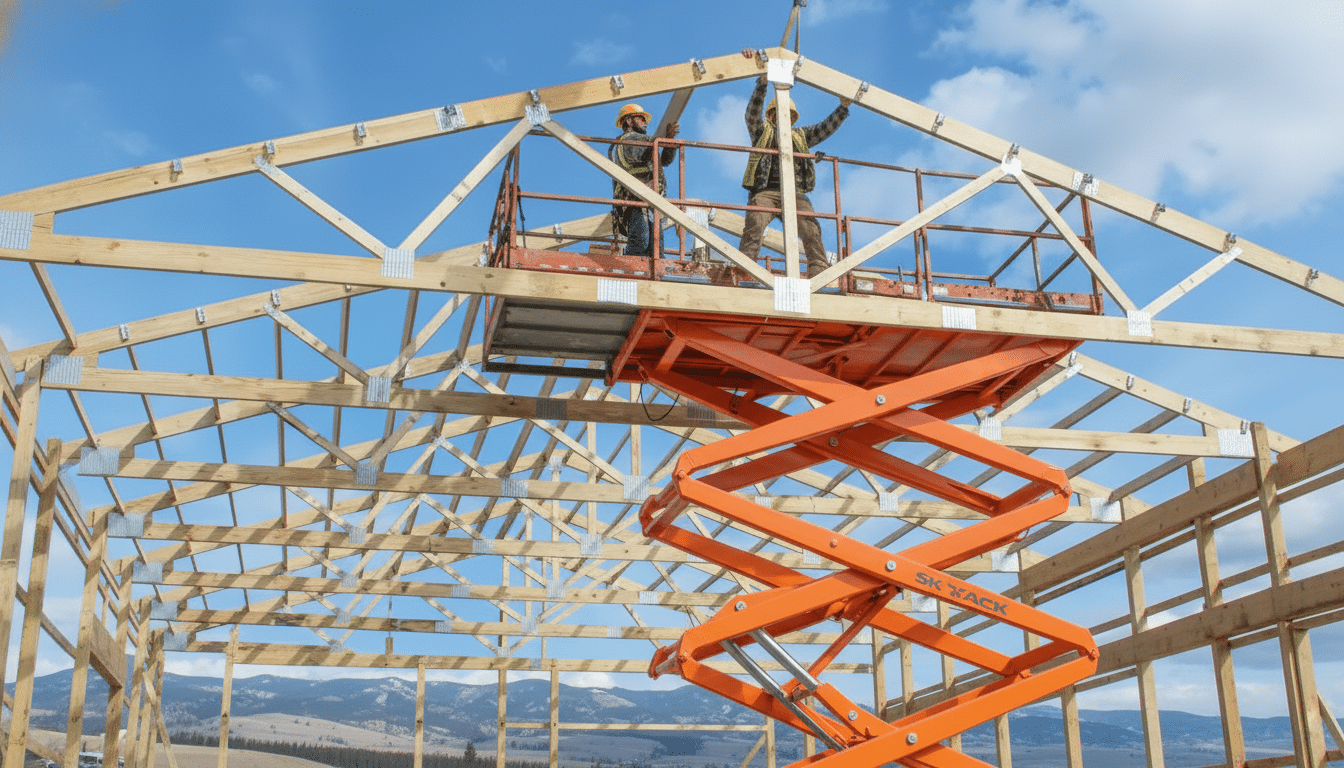
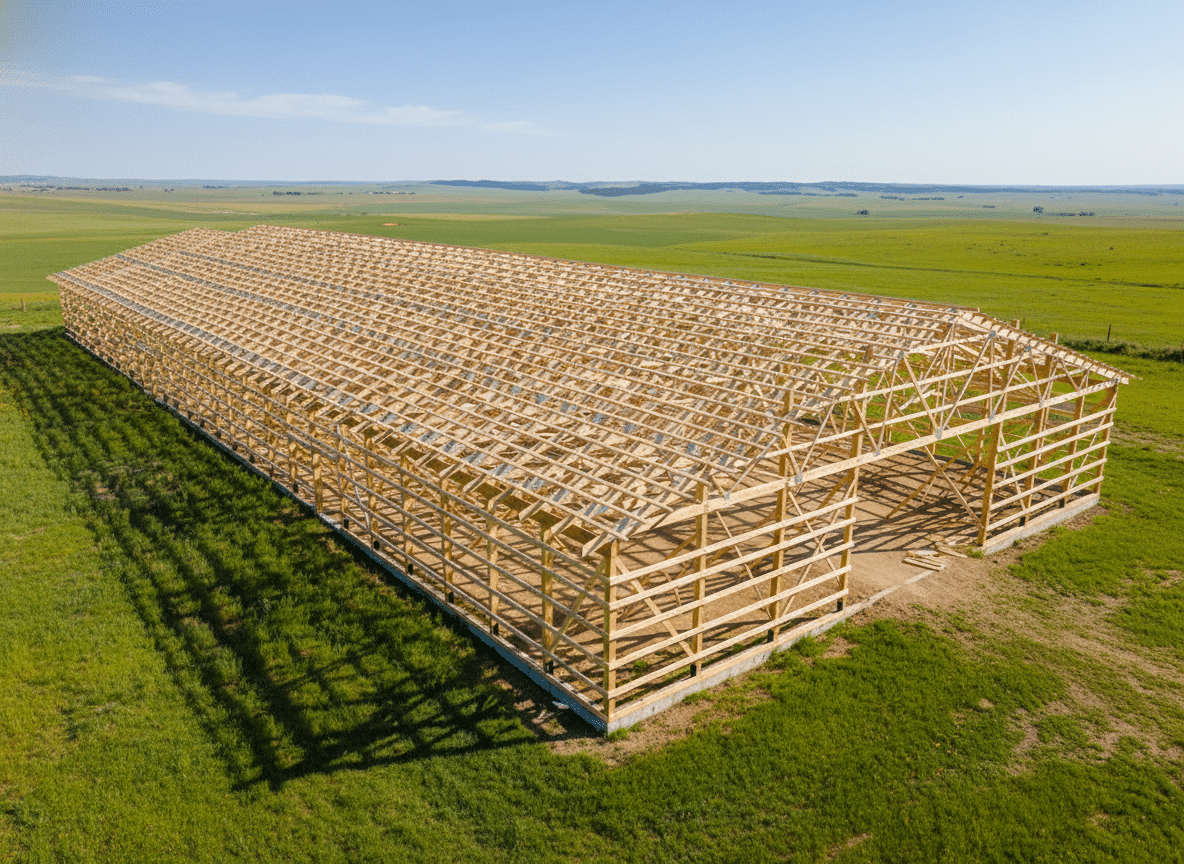
Post frame shop building packages in Canada meet the needs of the demanding climate and take advantage of a large, open interior space. Built using widely spaced structural columns to support the roof and walls, a post frame shop often reduces the need for load-bearing interior walls, and may minimize interior support columns depending on the design and loads.
The shop itself can be bare bones or totally decked out. Opt for a simple setup with a workbench and fewer added frills, or go all out with a workshop, office, restroom, and storage racks.
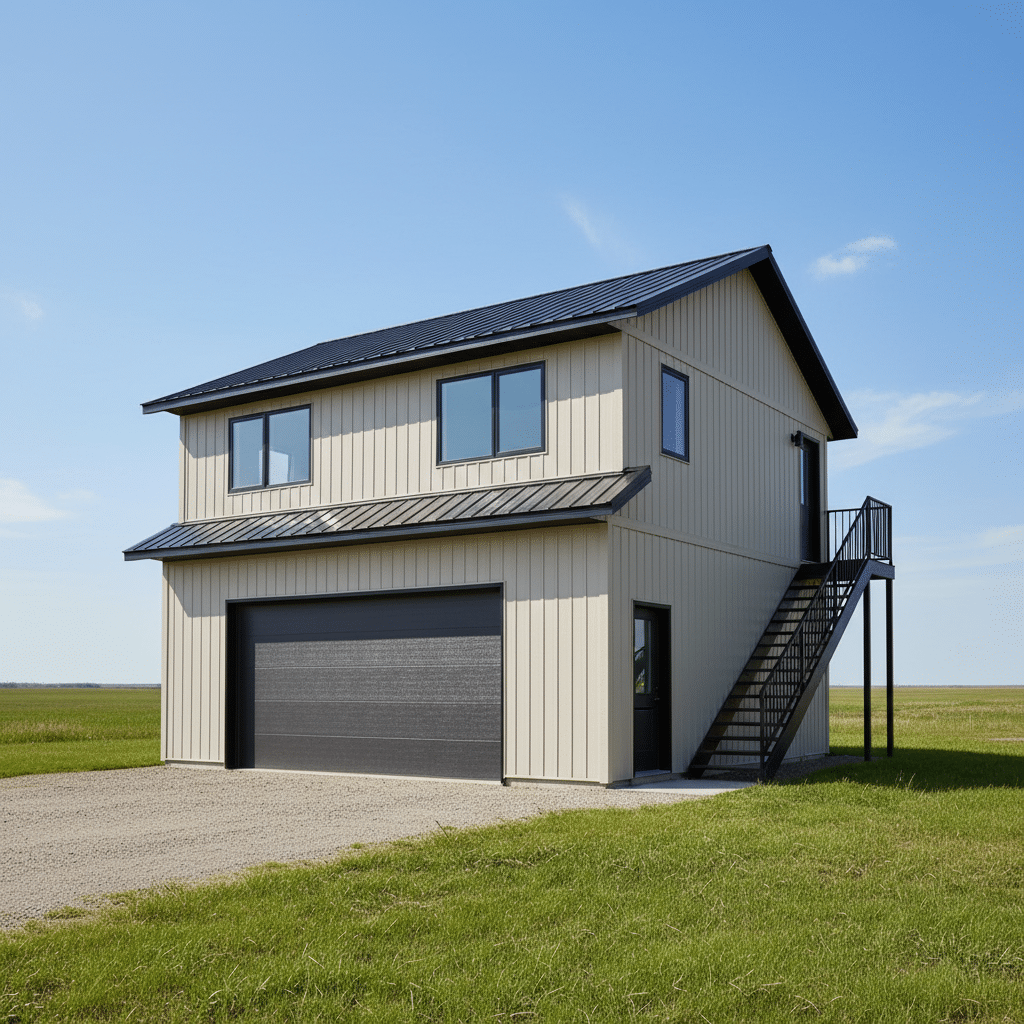
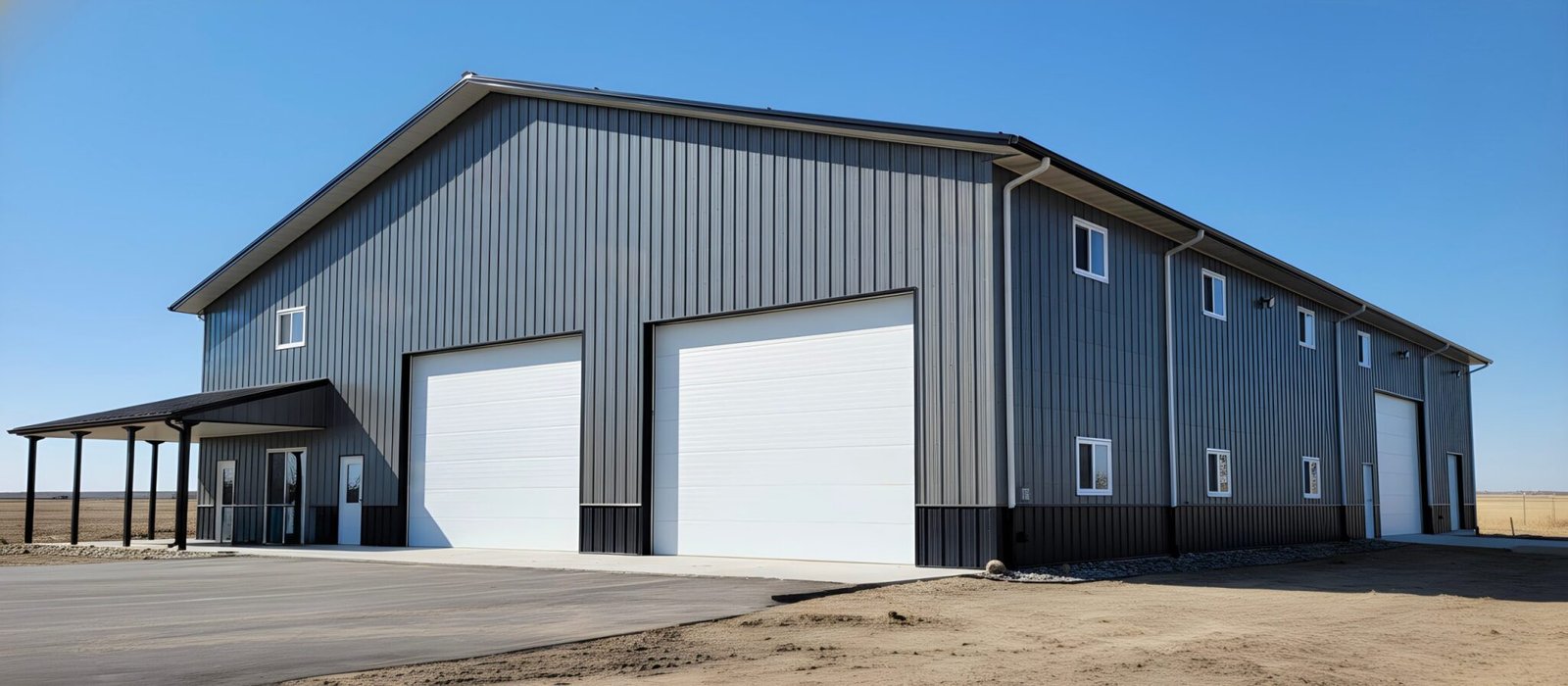
In practice, these useful buildings can be shop houses (shops with living quarters), where the shop has a residential component, or they can be workshops exclusively. Either way, they make your life easier by complementing activities like:
- Contractors – For trades such as excavation, plumbing, electrical, concrete, or HVAC.
- Automotive – Mechanic bays for repairs and maintenance of anything from large trucks to fleet vehicles, plus garage storage.
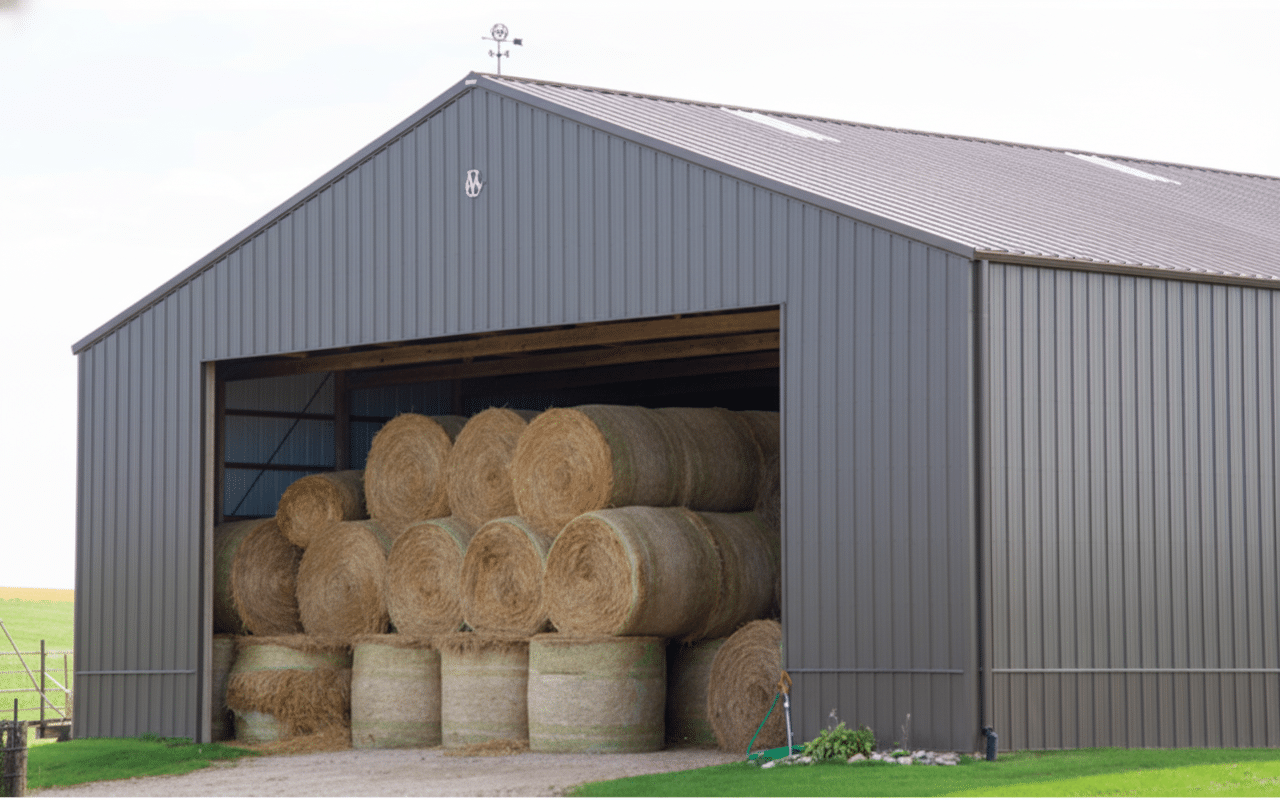
- Farming – Farm shop buildings allow for storage of machinery and tools, alongside work bays for repairs.
- Welding and fabrication – When open floor space and ventilation are priorities.
- Multipurpose – A shop that combines workspace with an office or customer reception area.
- Hobbies – Personal workshops, where you can perfect your woodworking, metalworking, or any other craft.
Shop Layout Planning That Feels Intentional
As experienced shop builders in Canada, we know that the trick with layout planning is to first understand how you actually work before you begin any post frame shop construction. What do you need to store? How much space do you need to work comfortably? Do you need customer-facing areas? Take the time to plan, and your workshop will feel like it’s meant for you – not generic.
In general, you’ll want to think about:
- Work bays – Ensure they’re big enough for the largest vehicles or equipment. Confirm they will comfortably fit through doors, and that there is enough room to work your magic.
- Storage – You want your tools and other supplies at hand. Position any storage areas near the workspace to minimize extra steps in your workflow. Whatever storage space you think you need, you probably need more.
- Office areas – If you plan to have customers coming to your post frame shop, consider the impression you want to create. Restrooms for customers and staff, seating areas, and administrative areas are best kept away from the dust, dirt, and noise of the workshop.
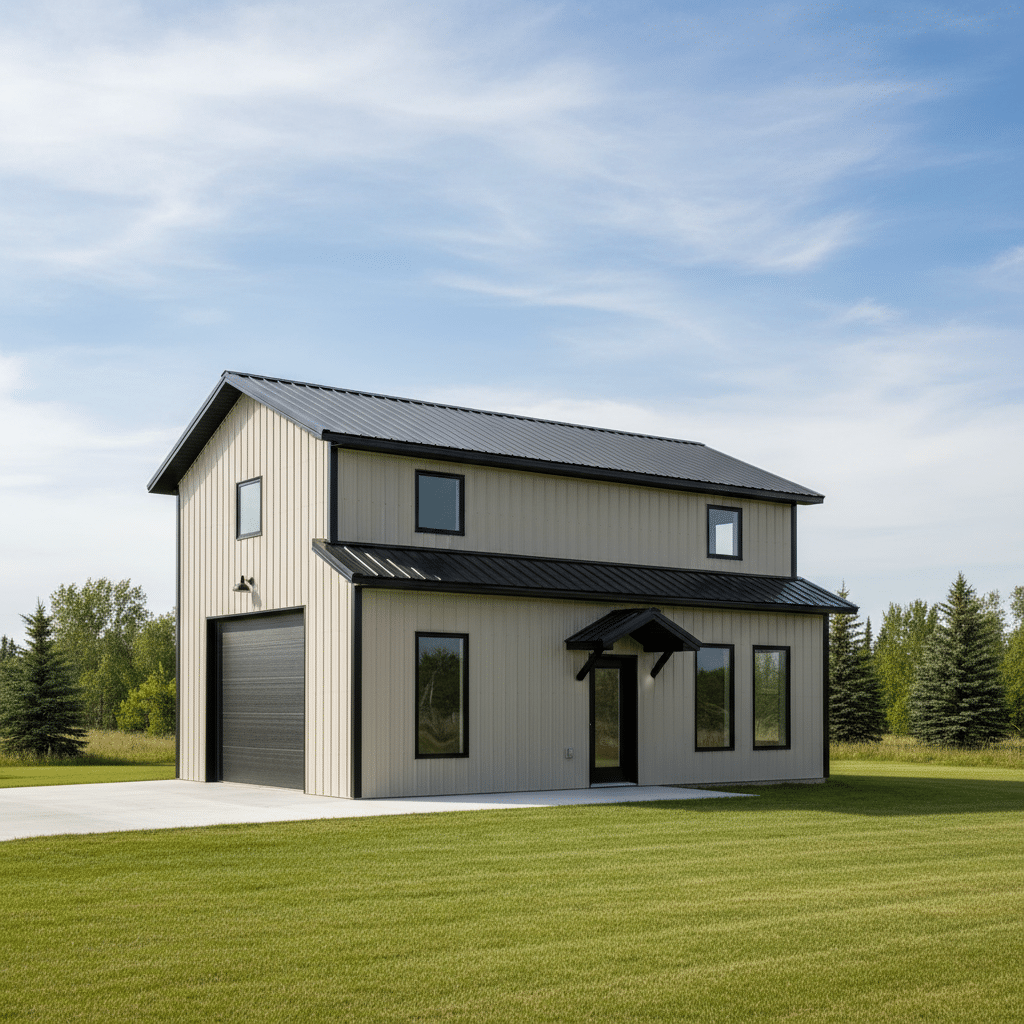
- Mezzanine spaces – Whether you call it a loft or a mezzanine, this extra square footage can increase your storage and potential for future expansion without adding to the footprint of the shop.
Clear Spans, Ceiling Height, and Door Strategy
One of the top reasons our customers choose post frame buildings in Canada is the wide open space that comes standard. Without load-bearing interior walls, the entire shop is free to be customized. Your space can go both out and up.
High ceilings allow covered workspace for large equipment and vehicles, like trucks, lifts, and cranes. The key is to consider 3 things: the largest items, the required height clearance, and future upgrades. That way, you won’t be on the hook for costly redesigns when the space doesn’t actually fit your needs.
And don’t forget about the doors. The space inside is useless if you can’t get the vehicles or equipment in. Consider details like:
- Tall overhead doors for trucks, RVs, or farm machinery
- Drive-through configurations to eliminate reversing
- Multiple access points to separate customer, staff, and delivery traffic
To Heat or Not to Heat? Insulation and Condensation Control in Shop Buildings
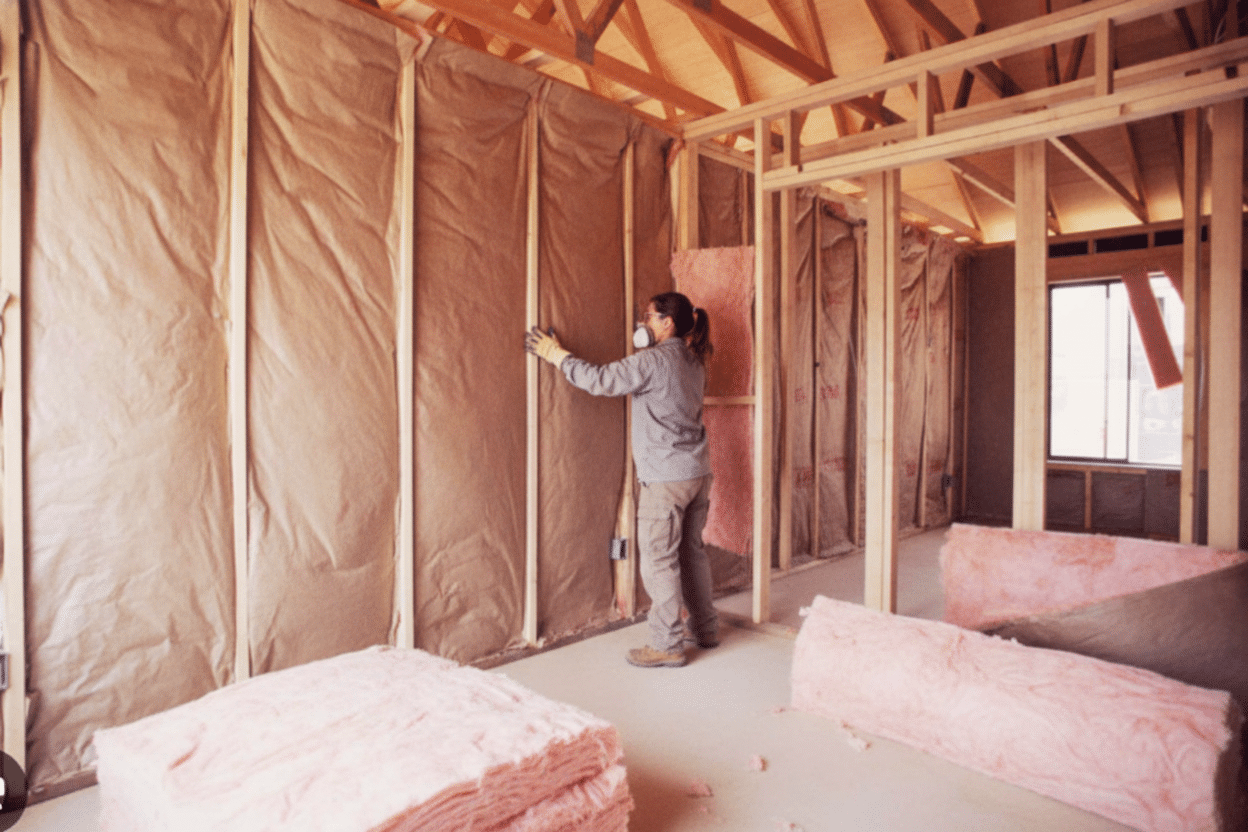
The truth is, if you want to work year-round in Canada, you need your space to be warm. That means insulation plus a code-aligned air/vapour control strategy combined with a heat source. On the other hand, for spaces related to agriculture, you may only need the shop in the warmer months and can forego the heating element.
What matters most to control moisture and interior temperature:
- Choosing an insulation level appropriate for the Canadian winters.
- Condensation management through the use of vapour barriers and interior liners.
- Ventilation to control moisture.
- Thermal separation between heated and unheated areas.
- Air sealing / a continuous air barrier to reduce drafts and condensation risk.
Even an unheated post frame shop building can experience moisture issues due to temperature changes, so basic ventilation and liners are still important.
What a Post Frame Shop Build Typically Includes
Preventing surprises is key when it comes to your pole barn workshop or machinery shop, so here’s what’s included in our professionally installed shop packages in Canada:
- Foundation system (typically slab-on-grade or engineered piers/footings, per design)
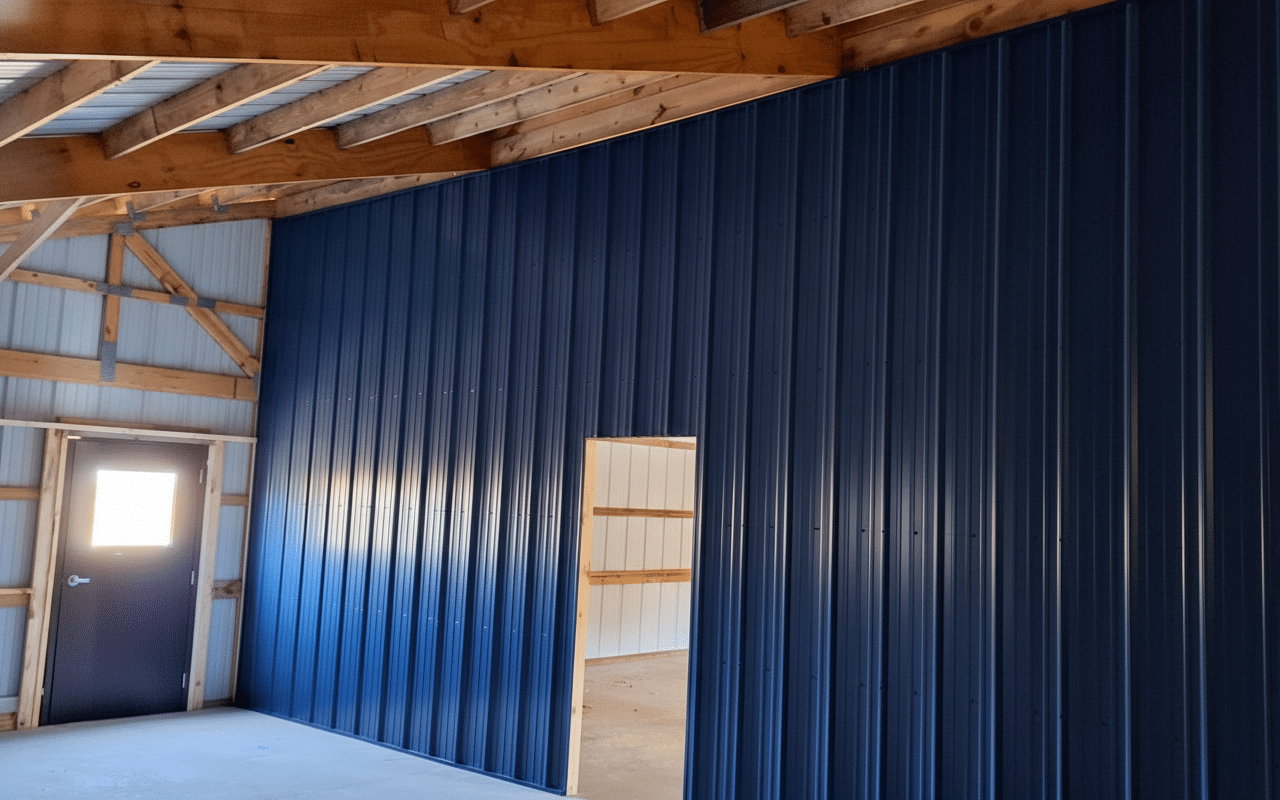
- Expertly engineered structure (+ optional insulation)
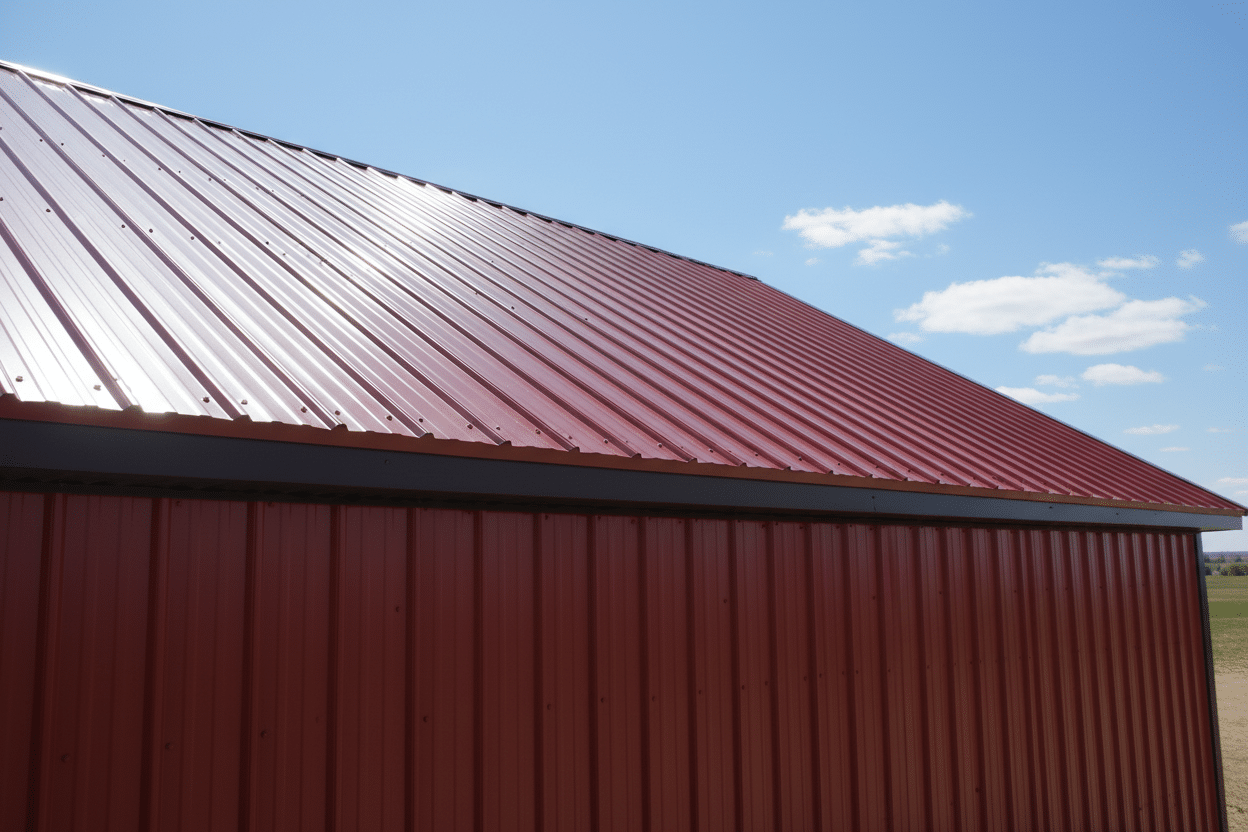
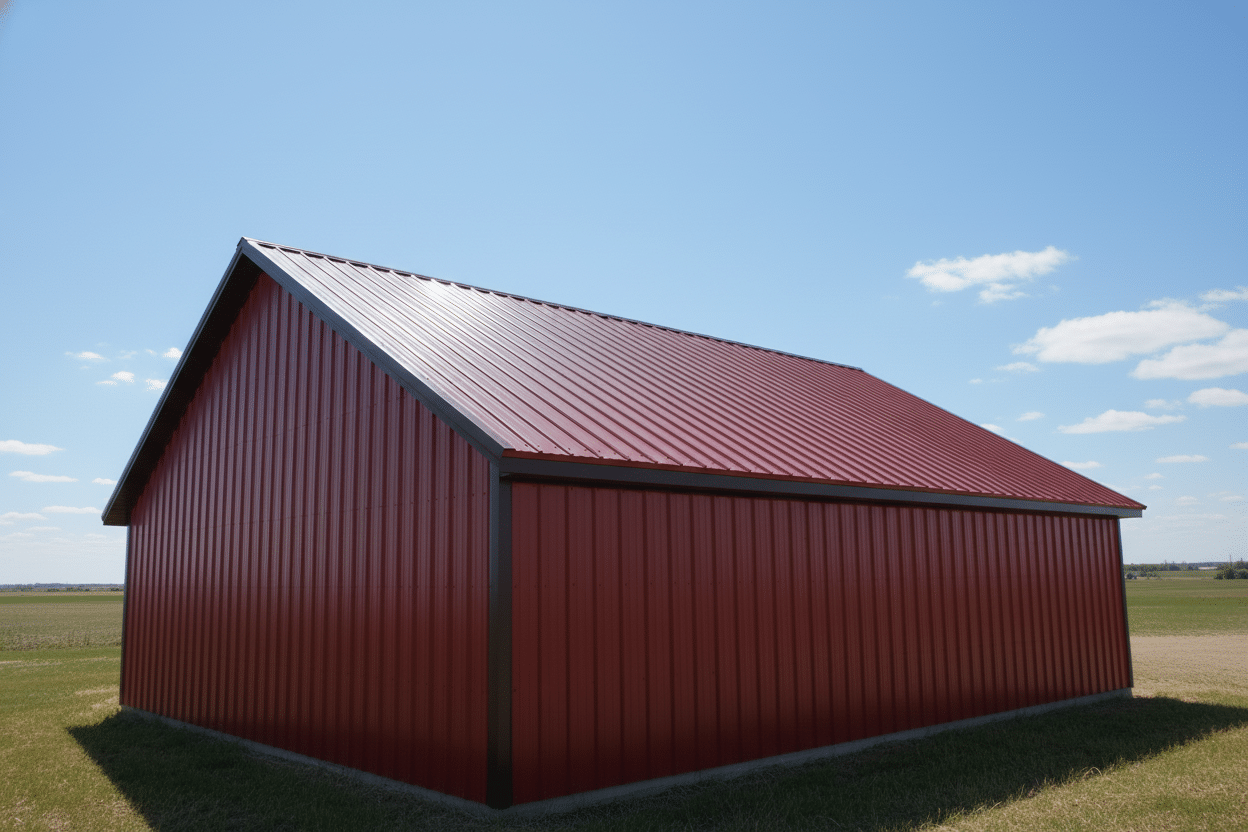
- Exterior cladding and roofing (metal or shingles, as specified)
- Doors and windows
- Electrical sub-panels, outlets, and LED lighting
Many of the configurations are customizable, where adding extra doors or windows and premium exterior finishes like a metal roof, or upgrading to upgrading to higher-amperage service (e.g., 200A/400A), 240V dedicated circuits, or 3-phase where available. Contact us, and we’re happy to design something perfect for you.
Permits, Timelines, and Cost Drivers
Permits are a necessary part of the post frame shop construction process. In general, you’ll likely need both a development and building permit depending on land use and the scope of work, especially for commercial or industrial buildings. The development permit addresses zoning, whereas the building permit focuses on compliance with applicable Canadian construction codes.
These are the factors that drive workshop costs:
- Height and span
- Door size and quantity
- Number of windows/skylights
- Foundation preparation
- Interior finishes, including restrooms, office space, and work areas
Typical Process and Timeline
- Planning (1-2 weeks) – Defining the scope and use of the space, layout, and heating strategy.
- Engineering and drawings (1-2 weeks) – Designing for snow loads and wind, drawings are prepared.
- Permits (2-8 weeks) – Submission of permits to the municipality.
- Site prep and foundation (1-3 weeks) – Subject to weather conditions, and includes grading, drainage, and base.
- Materials (2-6 weeks, can overlap with permit time) – Procurement of the necessary materials, where custom projects may require extra time.
- Installation (1-2 weeks) – Erection of the post frame shell.
What’s the average timeframe for post frame shop construction?
The total post frame process ranges from as little as 2 weeks to 6 months or more. The time depends on the scope of work and the permitting process. In general, for an unheated shell, it takes between 2 and 8 weeks. For a heated shop, including insulation, it can be up to 4 months, and for a large multi-bay commercial building or a heated shop with offices and washrooms, it can take 6 months or more. It’s the interior finishes that can really add time.
What factors extend post frame shop building timelines?
In Canada, the weather can be a big contributor to delays. Frozen ground can delay excavation, foundation installation, and underground servicing. While post frame construction itself can proceed in cold weather, concrete foundations are sensitive to frost.
The timeline may also extend due to:
- Permitting delays
- Late design changes
- Difficulty getting custom materials